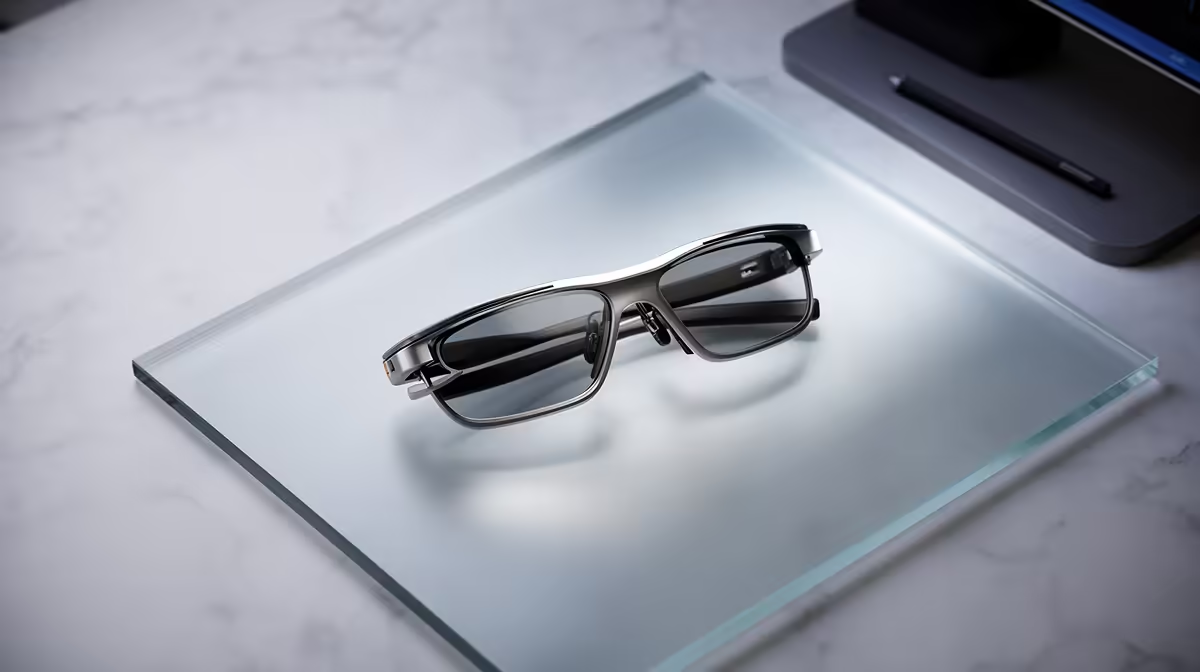
AR glasses arrive with spec sheets full of numbers that sound essential and mostly are not for a student. For a first-year setup, knowing which figures to discount keeps you from paying flagship money for a big-screen-on-the-go that you mainly use for lectures and films.
Quick Answer
For a first-year student, field-of-view past 46 degrees and ultra-high nit ratings are overrated; eye comfort, weight under 80g and resolution around 1080p per eye matter more. A R6,000 to R9,000 pair with comfortable nose pads beats a R14,000 pair you stop wearing after an hour.
Specs That Sound Better Than They Feel
Brands push huge field-of-view numbers, but past about 46 degrees on glasses the edges blur and weight climbs. Sky-high brightness ratings matter for outdoor use you rarely do as a student. Refresh rates above 90Hz add little when you are reading slides or streaming.
What A Student Should Weigh Instead
Comfort decides whether you actually use them, so prioritise frames under 80g with adjustable nose pads. A clean 1080p-per-eye panel is sharp enough for notes and video. Easy USB-C plug-and-play with a laptop matters more than any exotic display claim.
FAQ
Is a wide field of view worth chasing?
Not for study use. Beyond roughly 46 degrees the gains are marginal and weight and price rise sharply, which hurts the long sessions students actually have.
Do AR glasses replace a monitor for assignments?
They can stand in for a second screen on the go, projecting a virtual display for notes and reading. For long typing sessions a real monitor is still more comfortable.
How much should a student spend on AR glasses?
A sensible range is R6,000 to R9,000. Higher tiers mostly add field-of-view and brightness that do not change the day-to-day study experience.
pair on for 20 minutes before deciding. Comfort, not the spec sheet, is what determines whether you keep wearing them.