Quick Answer
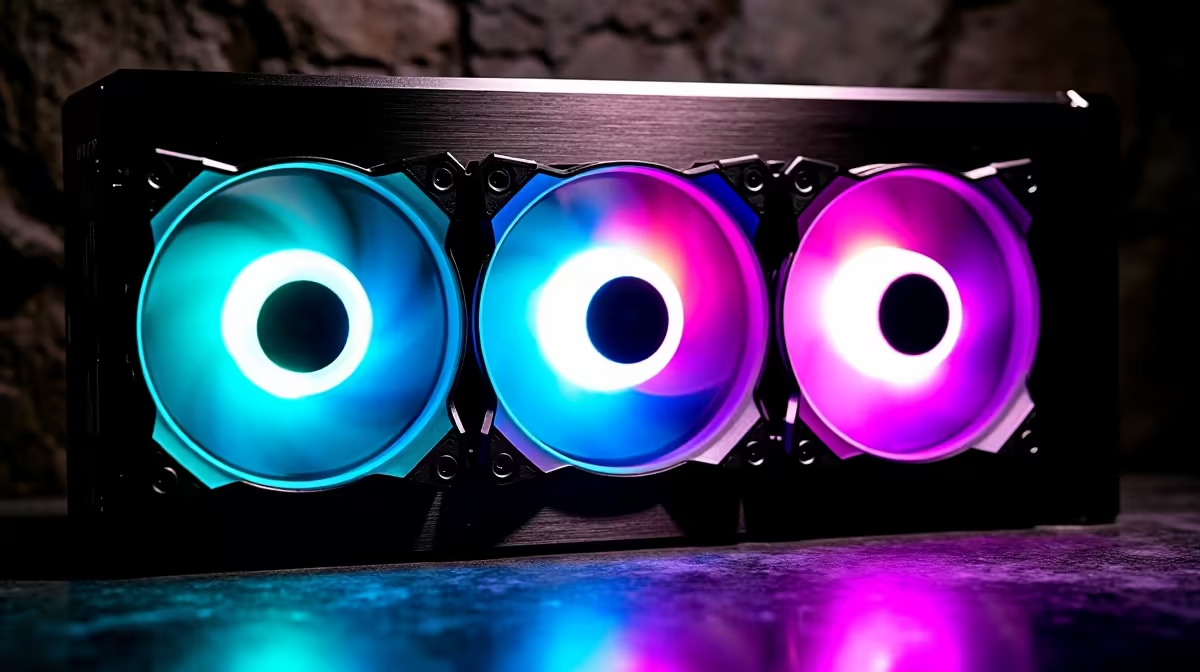
For VR fitness, the most overrated case-fan specs are RGB, fan count above three, and ultra-high CFM you cannot use. What actually matters is static pressure and bearing quality, because a VR rig holds the GPU near 90% for the whole workout. Three FDB fans around R140 each, on a firm curve, keep a VR build under 75C, holding a steady 90fps headset target, far better than six cheap high-CFM fans.
Why VR fitness needs the right specs, not the flashy ones
VR fitness keeps the GPU pinned near 90% for an entire session, roughly double a flatscreen load, so cooling genuinely matters here. But the specs people chase are often the wrong ones. Headline CFM looks impressive, yet it appears only at a screaming rpm; what counts is sustained airflow at a sensible speed. Fan count past three gives diminishing returns and adds noise. RGB is cosmetic, and you cannot even see it inside the headset.
The specs that earn their place are static pressure and bearing quality. Decent static pressure (around 1.5-2.0 mmH2O) helps push air through a filtered, dense front intake, and an FDB or magnetic bearing survives the sustained heat that would wear a cheap sleeve fan. For VR fitness, three quality fans beat six cheap ones.
Cool a VR fitness rig properly
Run three FDB fans, two intakes and one exhaust, with good static pressure on a firm curve so airflow stays strong through the workout. Keep the case clear of the play area and clean filters often, since moving around stirs up dust. Confirm the GPU holds its boost clock under 75C through a full session; if it throttles, improve airflow direction rather than adding more cheap fans.
FAQ
What case fan specs are overrated for VR fitness?
RGB, fan count beyond three, and peak CFM. VR fitness needs sustained airflow and durable bearings, not flashy figures or lighting you cannot see inside the headset. Static pressure and bearing quality matter more.
Does static pressure matter for a VR fitness rig?
Yes, more than for a casual build. A VR rig often has a filtered, dense front intake, and decent static pressure (around 1.5-2.0 mmH2O) helps push air through it. Combined with good airflow, it keeps the GPU under its thermal limit.
How many fans does a VR fitness PC need?
Three quality FDB fans handle the sustained VR load. Six cheap high-CFM fans add noise and cost without cooling better, and their sleeve bearings wear faster under the continuous heat VR fitness generates.
full VR fitness session with a temperature monitor on a second screen; if the GPU holds under 75C, your three quality fans are doing the job and extra fans would just add noise.