A nozzle temperature ceiling answers how hot the hot end can become, not what the rest of a printer can process safely. The right answer to which filaments need a 300C nozzle begins with a named material and its complete operating requirements.
Quick Answer
The Neptune 4 Max's 300C nozzle supports PLA, PETG, ABS and higher-temperature filament such as nylon through a 60W ceramic heater and brass block.
Some filament workflows request temperatures that make a high-temperature nozzle relevant, but no universal material list can be derived from 300C alone. The R9,399 Neptune 4 Max has a nozzle rated to 300C. Before selecting a spool, confirm its required temperatures, printer components, build surface, handling process and workspace guidance as one compatibility chain.
🌡️ Treat 300C as a Boundary
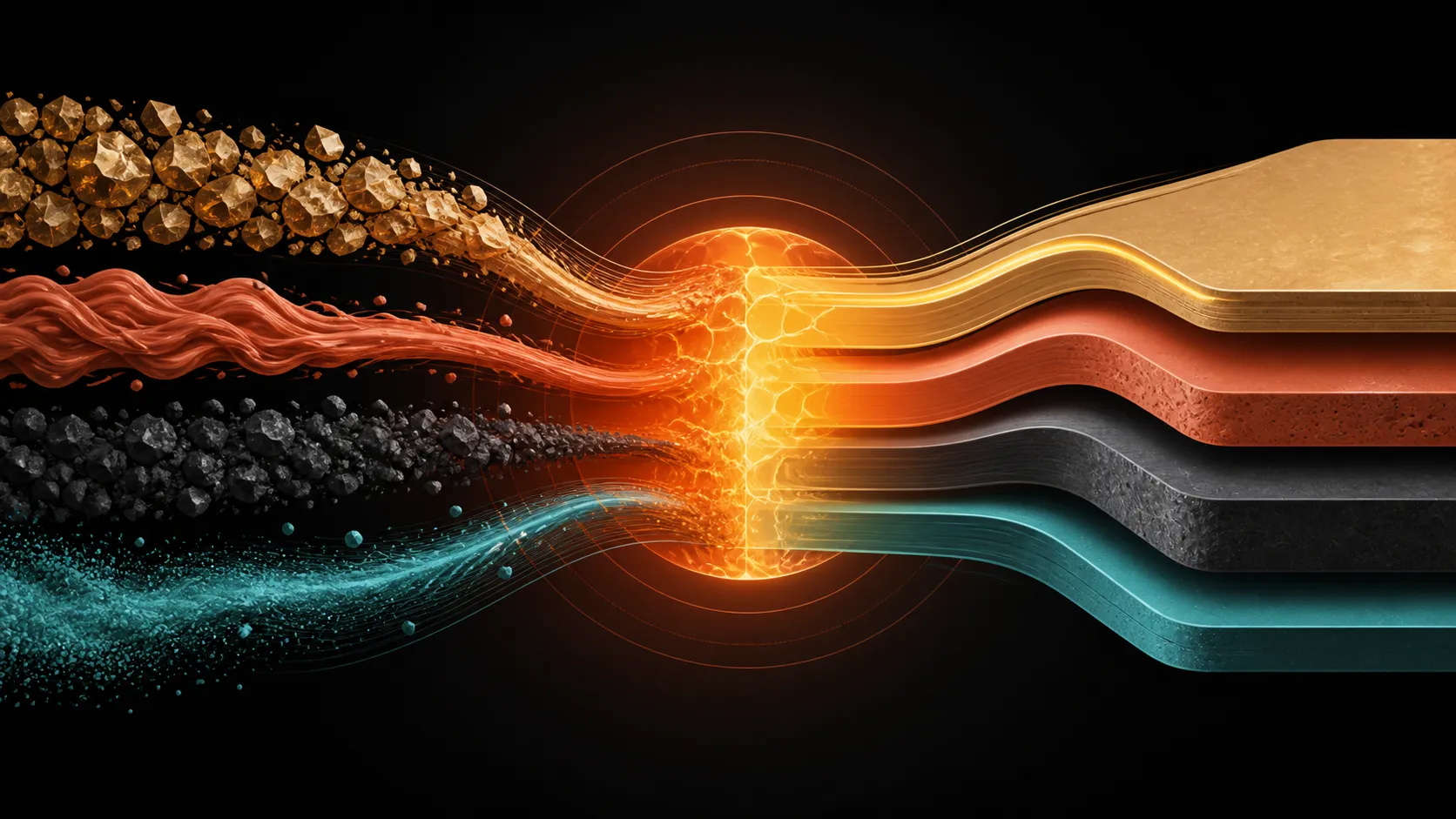
The rating establishes an upper nozzle temperature for the Neptune 4 Max. It does not say that every lower-temperature setting is suitable, nor that operating at the limit improves a print. The target comes from the exact material and the proven profile, not from the maximum available number.
Separate need from headroom. If every routine filament works within a lower range, 300C may simply remain unused capacity. If a named project material requires more heat, the ceiling becomes one item in a wider equipment check.
Browse 3D printing filament at Evetech only after choosing the material family and locating its current technical guidance.
🔗 Build a Full Compatibility Chain
Nozzle heat is one stage between spool and finished part. A candidate can impose conditions on feeding, hot-end materials, bed surface, temperature control, ventilation, storage or post-processing. Verify every applicable requirement for the exact printer and work area.
Do not infer an all-metal path, enclosure or specialised component from the 300C figure. If the material depends on one of those features, confirm it independently. This prevents a temperature capability from being mistaken for complete system compatibility.
🧪 Trial the Material Conservatively
Follow the material maker's recommended starting range and use a small representative part. Keep the plate face, orientation and profile documented. Increase or decrease a setting only in response to a defined observation.
The Neptune includes an upgraded dual-sided build plate, but its materials and coatings need identification before choosing surface preparation. A compatible hot-end temperature cannot compensate for an unsuitable or incorrectly treated first-layer surface.
Compare FDM printers through Evetech with the whole material chain visible, rather than filtering only by peak nozzle heat.
🧯 Plan Handling and Room Conditions
Read the equipment instructions and the filament's handling and safety information before use. Different materials can call for different storage, ventilation, protection or post-processing. The Neptune's nozzle rating alone does not define those needs.
Map the work from opening the material through model removal and cleanup. Identify who can access the area, how hot components are kept clear and where waste is handled. This is a process design exercise, not a generic claim that every 300C print needs the same room.
Use the broad Evetech 3D printer selection after the material checklist is complete. The best machine is the one that passes each required link, even if its maximum number is not the largest.
Keep a material card with the successful settings, plate face, test part and any required handling. That evidence gives the high-temperature capability a repeatable purpose.
Temperature capability is only one material requirement. Each filament still needs suitable bed adhesion, cooling, enclosure or ventilation conditions and storage. The 5.2:1 dual-gear direct drive provides consistent feed close to the hotend, which supports long jobs across the large volume. Use the lowest appropriate process for the named material rather than running every spool near the nozzle ceiling.
Frequently Asked Questions
Does a 300C nozzle identify every usable filament?
No. It establishes a temperature limit. Complete printer construction, surface, handling and environmental requirements still need to match the material.
What should be checked for a new filament?
Review nozzle and bed temperatures, hardware conditions, plate route, storage, workspace guidance and the part's intended function before testing.
Why is a universal compatibility list unreliable?
Materials with similar print temperatures can impose different requirements elsewhere. Exact current guidance is more useful than a temperature-only list.
How hot can the Neptune 4 Max nozzle run?
Its high-temperature nozzle is rated to 300C. Use only the temperature appropriate to the verified material and profile.
Does a higher temperature improve every print?
It does not. Excess heat can change behaviour, while insufficient heat creates other problems. Follow the material route and judge a controlled sample.
Where does the R9,399 price fit the decision?
It anchors the Neptune 4 Max comparison. Value depends on whether projects need its thermal range, large volume and associated workflow.
Ready to match a filament to the complete printing system?
Explore FDM printers and material options at Evetech with every temperature, surface and handling requirement written down first.