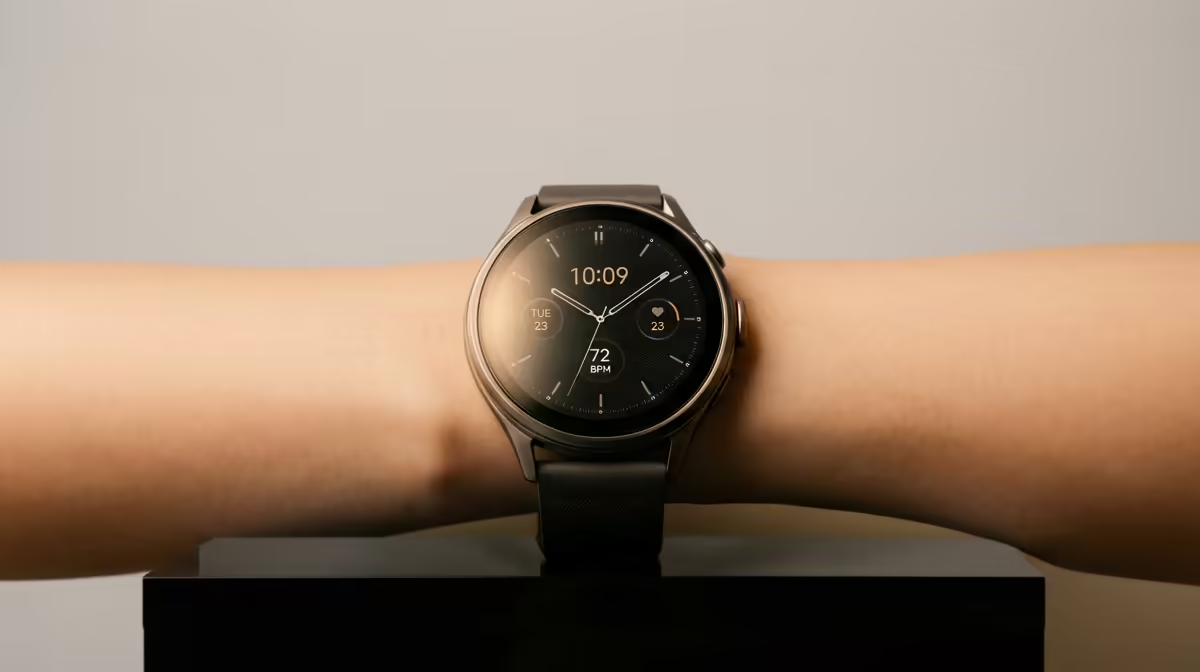
For travel-friendly study setups, several smart watch specs are overrated, meaning they sell watches but do little for a studying student on the move. Knowing which to discount keeps your money on what actually helps.
Quick Answer
For students, overrated smart watch specs include ultra-high AMOLED brightness, dozens of sport modes, and gimmick health sensors; they raise the price without helping you study. What matters is notifications, a 5 to 7 day battery, and a replaceable strap. A focused study watch runs R900 to R1,800 at Evetech, so judge specs by daily study use, not marketing checklists.
Which specs are overrated
Ultra-bright AMOLED screens look great in stores but drain battery and add cost for little gain in daily study use. A long list of sport modes is wasted if you only walk between buildings. Blood-oxygen, skin-temperature and stress sensors sound advanced but rarely get used by a busy student. These headline specs inflate the price; a watch judged on them costs more without helping you organise lectures, deadlines and travel any better.
What to value instead
Weigh the specs that serve studying: reliable notifications so you can leave the phone away in class, timers and alarms for study blocks, and a 5 to 7 day battery for travel. A replaceable standard strap and a scratch-resistant screen matter for durability between campus and home. At R900 to R1,800, a watch built around these essentials outperforms a spec-stuffed model for a student. Buy for daily usefulness and battery life, not for a long feature list you will not touch.
FAQ
Which smart watch specs are overrated for students?
Ultra-high AMOLED brightness, dozens of sport modes, and gimmick health sensors. They raise the price and drain battery without helping you study, so discount them when choosing a watch.
What smart watch specs actually matter for studying?
Reliable notifications, timers and alarms, and a 5 to 7 day battery. A replaceable standard strap and a scratch-resistant screen add durability for travel between campus, res and home.
Is a high-brightness screen worth it on a study watch?
Rarely. Ultra-bright AMOLED drains battery and adds cost for little daily benefit. A modest, efficient screen with multi-day battery serves a studying student far better than peak brightness.
study watch by battery life and notification reliability, not AMOLED brightness or sport-mode counts; a R900 to R1,800 watch built around the essentials outlasts and out-serves a spec-stuffed model.