A surface can be dimensionally sound and still look unexpectedly flat. Dull PLA prints may reflect the chosen material, irregular layers, model orientation or the light used for inspection. With a filament intended to be glossy, the best diagnosis keeps those possibilities separate instead of changing every setting at once.
Quick Answer
Confirm that the spool is meant to produce gloss, print a small curved sample and inspect it from several angles under stable light. ELEGOO Galaxy PLA is explicitly glossy and costs R499 per 1kg spool, with vibrant colour movement built into the surface effect. If geometry is rough, correct that before judging shine.
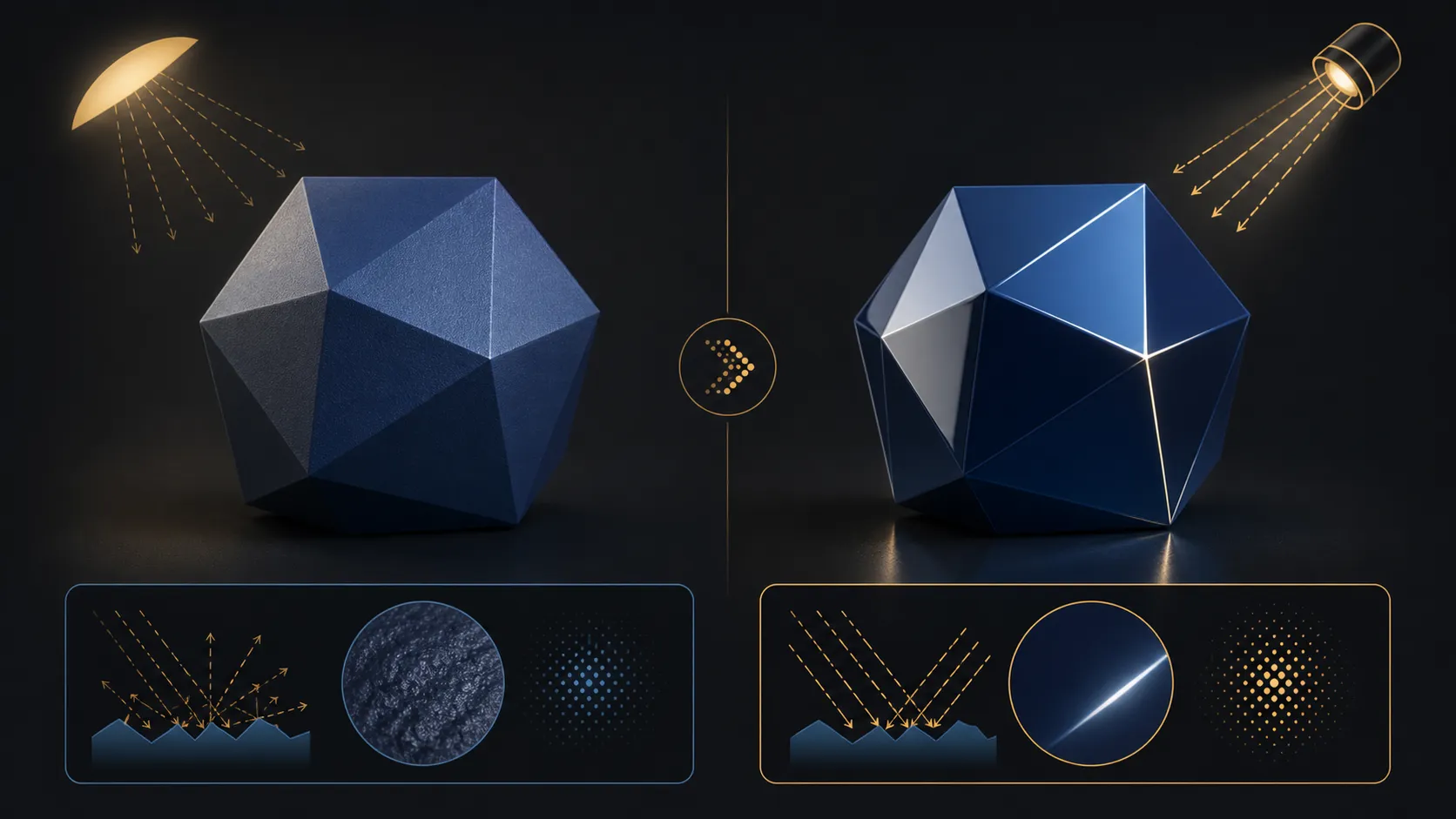
💡 Control the viewing conditions
Gloss depends on reflection, so the same object can look bright beside a directional lamp and subdued in diffuse room light. Place the sample in one repeatable position, rotate it slowly and watch whether highlights travel over the curve. This reveals more than comparing two photographs made with different exposure.
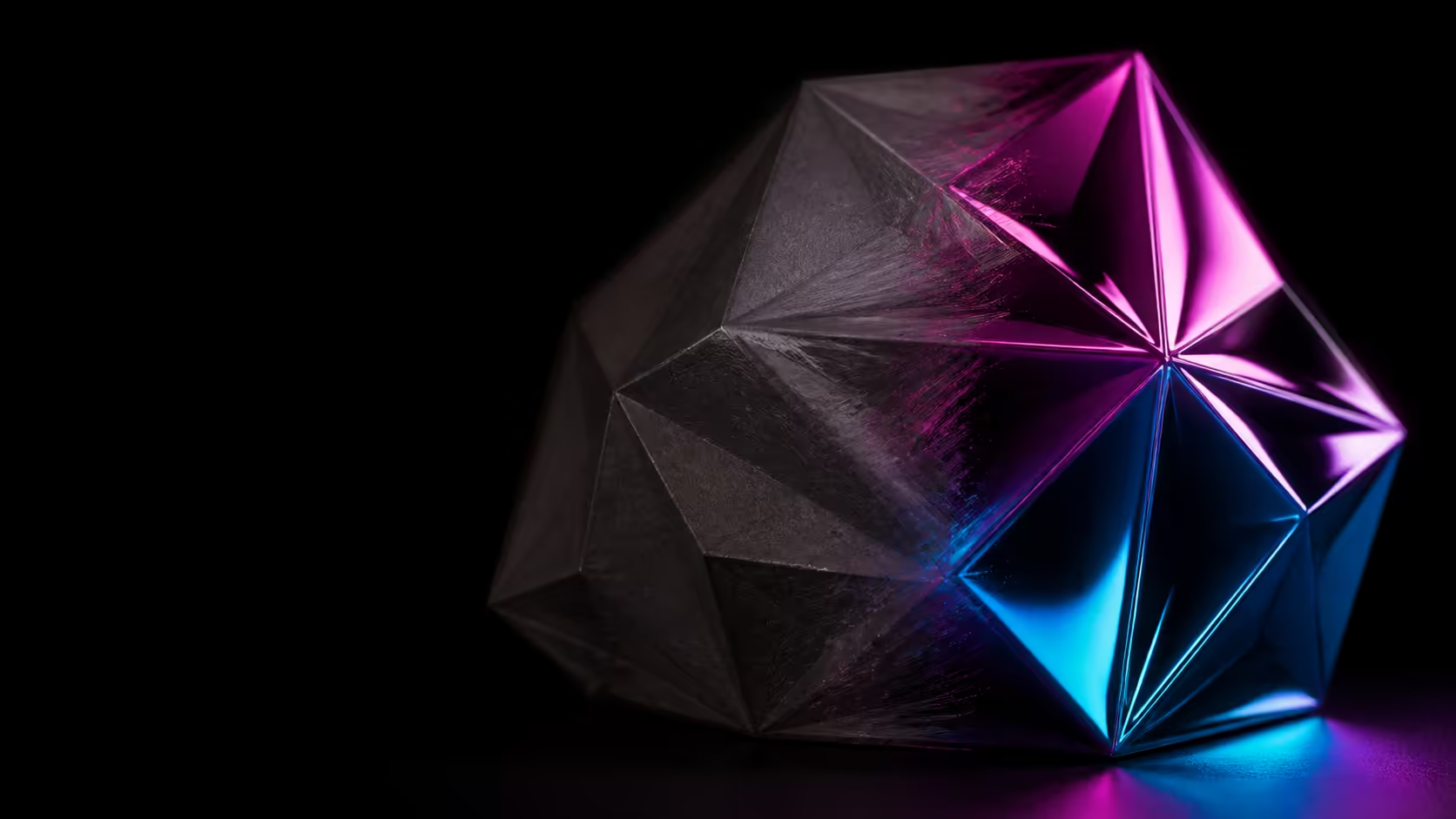
The galaxy effect also changes colour by angle. A view that appears quiet may become vivid after a small rotation. That movement is expected behaviour for this material, not proof that one side has failed.
Use the Evetech filament selection when comparing a known glossy spool with another named finish.
🧱 Separate layer texture from material character
Ridges, gaps and inconsistent extrusion scatter the visual pattern across the surface. Inspect the shape in neutral light before asking whether it is shiny enough. A clean, broad wall and a smooth curve provide better evidence than a tiny textured feature.
Return to the printer's normal PLA baseline and test only the variable related to the visible defect. If the geometry is good, avoid unnecessary profile changes and experiment with model orientation or display lighting instead. The purpose is to reveal the intended surface, not to force every object into one reflection.
🔄 Compare the model from several sides
ELEGOO Galaxy PLA produces a dynamic shimmer rather than a fixed flat colour. Turn broad faces towards the light and note where the design gains depth. This can influence how the object is placed after printing or how multiple parts are oriented during assembly.
Machine condition remains part of surface quality. The 3D printer category at Evetech is useful for hardware comparisons, while troubleshooting an existing machine should follow its own operating documentation.
🎭 Check whether post-processing changed the reading
If a model has been sanded, coated or handled extensively, compare it with an untouched sample from the same spool. Those later steps can alter how the surface reflects without proving anything about the original print. Keep the diagnosis focused on the stage where dullness first appeared.
For an unfinished sample, remove loose residue carefully and inspect several faces. A glossy Galaxy effect should be assessed on clean visible geometry, not on dust or support marks. If finishing is part of the design, test the intended method on a spare swatch before applying it to the complete object. That preserves a reference for the original material surface.
Compare the swatch before and after finishing from identical positions. Note whether gloss became softer, sharper or uneven and whether colour movement remained visible. The exercise does not establish a universal result for every coating or method. It protects the specific project from discovering too late that a chosen finishing step works against the Galaxy surface that justified the material.
Galaxy PLA is not merely labelled glossy: its surface is intended to produce brilliant sheen, visual depth and dynamic light reflection. A dull sample therefore misses a central part of the material's design. Use curved and broad test areas so the deep-space lustre has several orientations to reveal itself, then compare them under directional light rather than judging a single front-facing wall.
If the geometry is clean but the display remains flat, revisit lighting and viewing movement before making another profile change. Rich colour transitions appear as the relationship between surface, viewer and light changes, so a fixed diffuse setup can conceal an effect that is present on the printed object.
Move the successful sample into the room where it will be displayed. A finish that reads strongly under a work lamp may appear quieter under broad ambient light, and that difference should guide presentation rather than another unnecessary printer adjustment.
Frequently Asked Questions
Can room lighting make glossy PLA appear dull?
Yes. Diffuse or poorly positioned light can hide defined highlights, so rotate the sample under a stable directional source.
What surface does Galaxy PLA provide?
It is glossy and creates a dynamic galaxy shimmer with colour changes visible from different viewing angles.
Should profile settings change before geometry is checked?
No. Inspect layers and extrusion first, then alter only the control that matches an observed print defect.
How much does the glossy ELEGOO spool cost?
South African pricing is R499 for 1kg of 1.75mm Galaxy PLA.
Ready to reveal the gloss already designed into the material?
Review Evetech's filament and printer categories, then test surface quality and lighting as separate parts of the diagnosis.