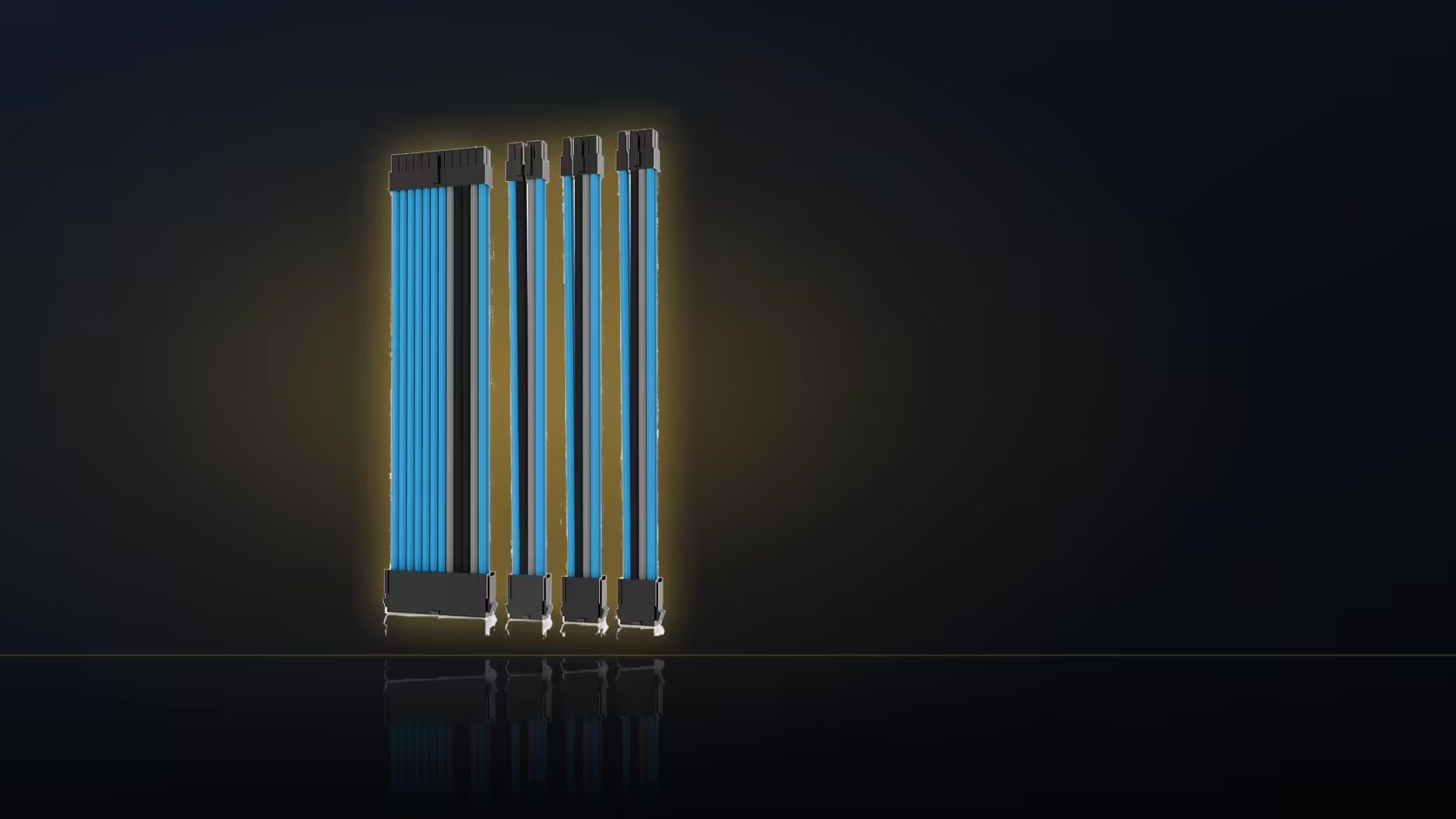
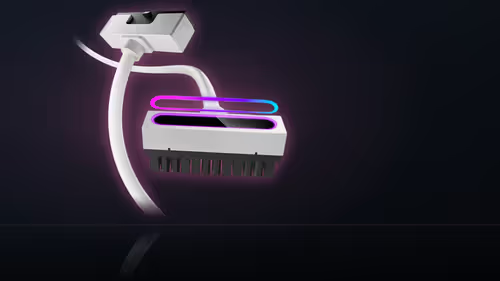
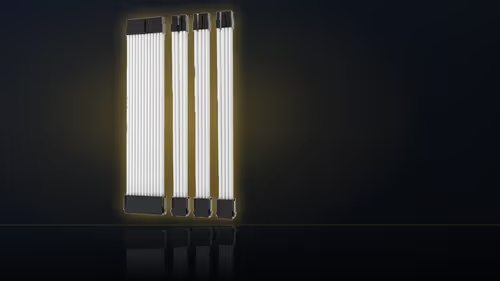
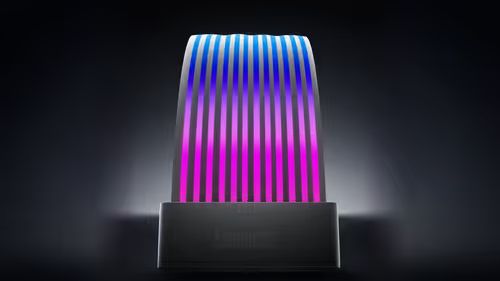
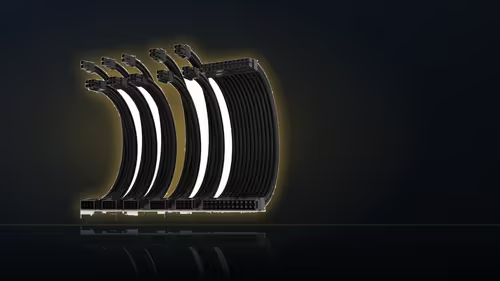
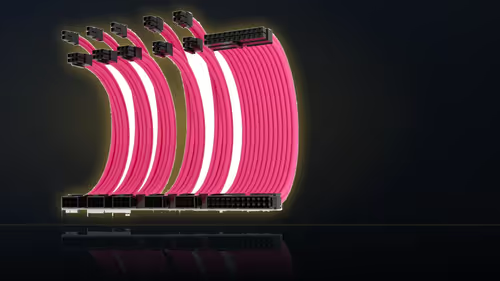
High-end motherboards increasingly ship with two CPU power sockets rather than one, a detail that changes the maths on this kit before a single cable is fitted. One EPS extension in the box against two sockets on the board is a mismatch worth catching early, not halfway through a build.
Quick Answer
The kit holds a single EPS extension, so a board with two CPU sockets leaves one undressed. Both sockets still work normally. The choice is to accept one factory lead in view or to buy a second EPS extension on its own.
🔎 Which boards run into this
A second CPU power socket tends to show up on higher-end boards aimed at heavier processors, and it is sometimes a smaller four-pin socket sitting alongside the main eight-pin one rather than a matching second full-size plug. If your board falls into that bracket, count the sockets along the top edge before assuming the kit's single EPS piece covers the whole layout.
⚙️ Does the second socket even need filling
That is a question for your board and processor, not for the cable kit - check the board manual, because some systems run correctly with only the primary socket seated and treat the second as optional headroom rather than a requirement. Whether you need to dress it at all is worth settling before spending on a second extension you might not require.
🙈 Dressing one, leaving the other plain
You can dress one CPU socket with the supplied extension and leave the second running its factory lead, and in many case layouts this looks less mismatched than you would expect - the second socket often sits further back near the top edge of the board, where a shroud or the board itself partially hides it from the window's sightline. Whether an undressed second lead actually registers depends on whether both runs sit side by side in plain view or one is tucked out of sight.
🛒 The cheaper fix if you want both dressed
Buying a second complete four-piece kit to solve this is the expensive route - it duplicates a board lead and a card lead you have already dressed, adding cost for nothing. A single additional EPS extension, bought on its own, puts the spend exactly where the gap is. The supplied EPS piece itself is a 4+4 lead, flexible enough to serve either a full eight-pin socket or split to fit a four-pin one, so which of the two sockets it ultimately dresses is entirely your call. The rest of the lineup sits at cable solutions, which is worth weighing against what individually sleeved premium cables charges for a full custom set built around a dual-EPS board from the outset.
Frequently Asked Questions
Which boards tend to have two CPU sockets?
Higher-end boards aimed at heavy processors often add a second socket, sometimes as a four-pin rather than a full eight-pin.
Does the second socket have to be filled at all?
That is set by your board and processor, not by the cable kit. Check the board manual, because some builds run correctly with one seated.
Can I dress one and leave the other plain?
You can, and in many layouts the second socket sits further back where a shroud or the top edge hides it from the window anyway.
Would a second kit be the sensible fix?
It duplicates three pieces you have already used. Buying a single EPS extension is cheaper and puts the money where the gap actually is.
Is the supplied EPS piece the right shape for either socket?
It is a 4+4 lead, so it serves a full eight-pin socket or splits to fit a four-pin one. Which socket it dresses is your choice.
Does an undressed second lead look obviously wrong?
Only if both runs sit side by side in view. Where one is tucked above the board edge, the mismatch rarely registers through the glass.
Should I check this before or after ordering?
Before. Counting CPU sockets takes a moment with the panel off and decides whether one kit finishes the job or leaves a visible gap.
Building around a board with dual CPU power sockets?
Have a look at Evetech's power supply range and check what a second EPS extension would add to the cost.