

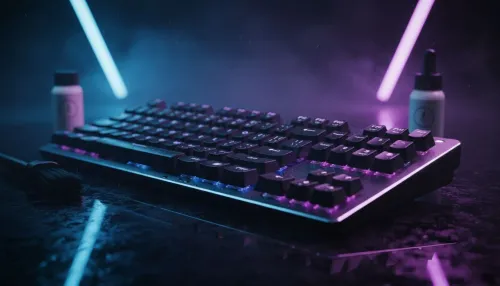
Clean Gaming Keyboard: Guide for Dusty & Humid Conditions
Clean gaming keyboard quickly and safely in dusty or humid conditions with step-by-step tips, tool checklist, and maintenance routines to prevent corrosion and switch failure. 🧼💨
Read moreIs a 240Hz monitor for gaming the right choice for your first esports rig? We break down the benefits, what GPU you'll need, and if the jump from 144Hz gives you a real competitive edge. Get ready to dominate the leaderboard with the smoothest gameplay imaginable! 🏆
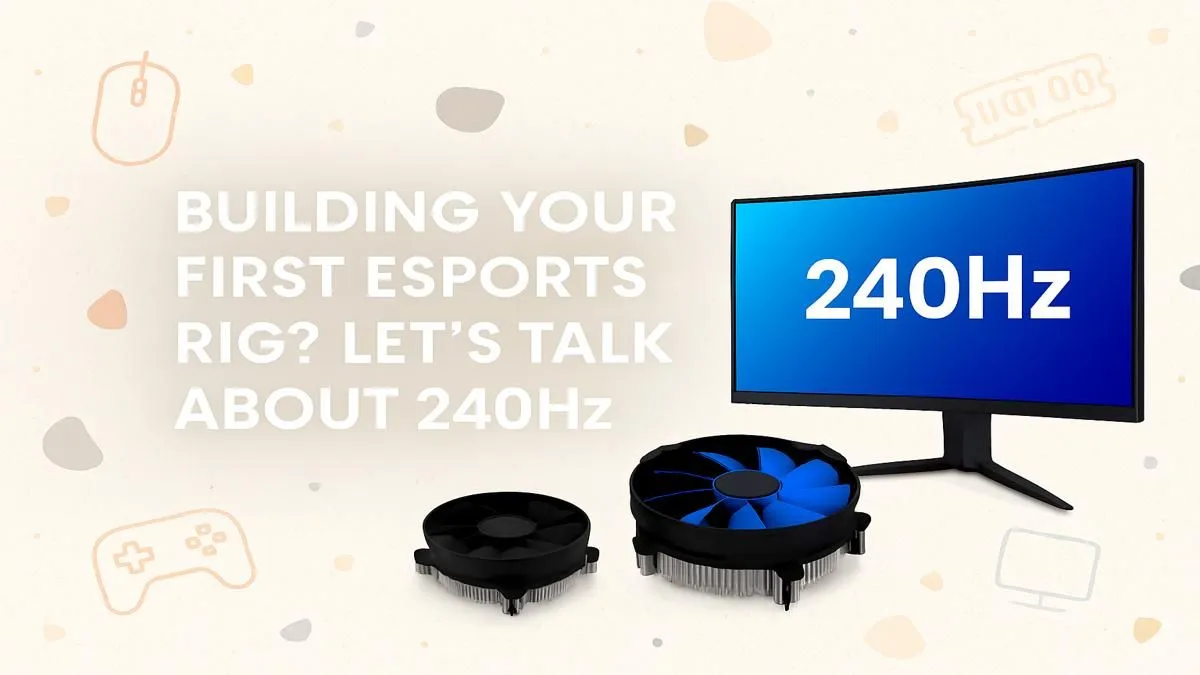
So, you’re building your first gaming rig. Awesome! You've picked your parts, watched a dozen build guides, and now you’re staring at the final piece of the puzzle: the monitor. The term "240Hz" keeps popping up everywhere, promising buttery-smooth gameplay. But is a 240Hz monitor for gaming really worth the splurge for your first setup, or is it expensive overkill? Let's break it down, South African style. ⚡
Before we dive deep, what does "240Hz" even mean? It's simple. The refresh rate (measured in Hertz, or Hz) is how many times your monitor updates the image on screen every second.
Think of it like a flipbook. A 60-page flipbook looks okay, but a 240-page one creates motion that's almost perfectly smooth. This is why a 240Hz gaming monitor is the top choice for esports pros.
If your main games are Valorant, CS:GO, or Apex Legends, the benefits are tangible. A higher refresh rate reduces motion blur, making it easier to track fast-moving targets. You see enemy movements a few milliseconds earlier, which can be the difference between winning a clutch round or staring at a respawn screen.
Imagine peeking a corner on Ascent and seeing an opponent's shoulder just a frame or two sooner than they see you. That’s the advantage a high refresh rate gives you. While it won't magically make you a pro, it removes a hardware bottleneck, letting your skills truly shine. Exploring Evetech's range of gaming monitors shows just how many options are tailored for this kind of performance.
Here’s the critical part many first-time builders miss. A 240Hz monitor can only display 240 frames per second (FPS) if your PC is powerful enough to produce them. If your graphics card is struggling to hit 150 FPS, your shiny 240Hz screen is effectively running at 150Hz.
To consistently push 240+ FPS, even at 1080p, you need a beefy GPU and a capable CPU. A mid-range card might get you there in games like Valorant on low settings, but it will struggle in more demanding titles. It's a balancing act. Sinking a huge chunk of your budget into a monitor might mean compromising on the GPU that's needed to power it. When choosing from a selection of high-performance PC monitors, always consider the PC powering it.
Before you buy, search for YouTube benchmarks of your chosen graphics card in your favourite games. See what kind of FPS it actually gets. If it’s consistently below 200 FPS, a 144Hz or 165Hz monitor might be a smarter, more budget-friendly choice for your first build.
So, what's the final call? It depends entirely on your goals and budget.
Ultimately, a 240Hz monitor for gaming is a fantastic piece of tech, but it's an elite component for a specific purpose. For a first-time builder, a well-balanced rig is always the winning strategy. ✨
Find Your Perfect Frame Rate Ready to find the screen that matches your build and your budget? Check out the best PC monitor deals in South Africa for performance that leaves lag in the dust.
For competitive esports titles like Valorant or CS:GO, a 240Hz monitor provides a clear advantage in smoothness and reduced motion blur, helping with faster reactions.
To consistently hit 240 FPS, you'll need a powerful GPU. We recommend an NVIDIA GeForce RTX 4060 or AMD Radeon RX 7700 XT or higher for optimal performance.
Yes, most competitive players notice a significant difference. The jump to 240Hz offers smoother visuals and lower input lag, which is crucial in fast-paced games.
Absolutely. The majority of pro gamers use 240Hz or even 360Hz monitors. A high refresh rate is considered standard equipment for gaining a competitive edge at top levels.
It won't instantly improve your skill, but it removes hardware limitations. The smoother display helps you track targets more easily and react faster to in-game events.
Besides a powerful GPU, you'll need a modern CPU like an Intel Core i5 or AMD Ryzen 5, 16GB of fast RAM, and an SSD to ensure your system can deliver 240 FPS.
While the biggest benefits are in competitive shooters, any fast-paced game will feel incredibly smooth. However, for slower, story-driven games, it's less essential.
Ensure your monitor is set to 240Hz in your display settings (Windows/NVIDIA/AMD) and that your in-game frame rate cap is set to 240 FPS or higher.
Clean gaming keyboard quickly and safely in dusty or humid conditions with step-by-step tips, tool checklist, and maintenance routines to prevent corrosion and switch failure. 🧼💨
Read more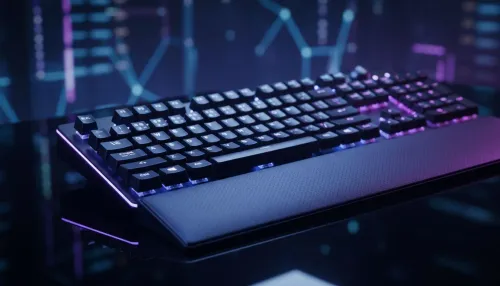
Best gaming keyboard features to prioritize when building a high-end setup: mechanical switches, low latency, hot-swap, RGB, macros, durability and ergonomics 🎮⌨️
Read more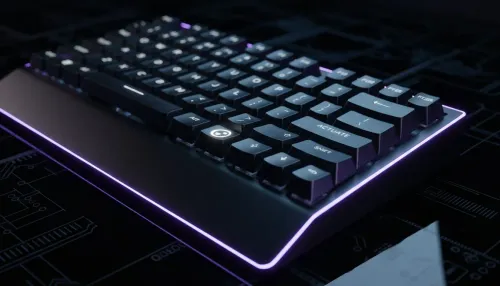
Custom actuation point keyboard setup guide: learn to set per-key actuation on your analog gaming keyboard for faster, precise inputs and better control 🎮⚙️
Read more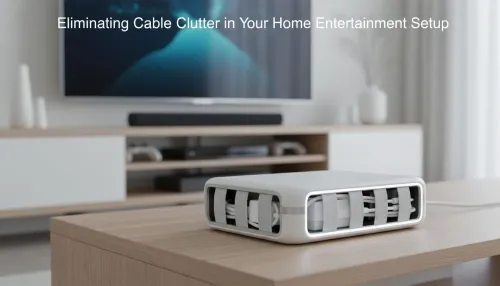
Cable management for home entertainment helps you eliminate cable clutter quickly and safely. Learn routing, concealment, and product picks to tidy your setup fast 📺🔌
Read more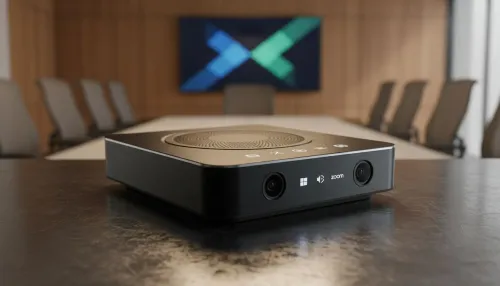
conference room setup Microsoft Teams Zoom: Upgrade AV, camera, mic, and network to ensure seamless meetings, clear audio, and crisp video 🎯🔧
Read more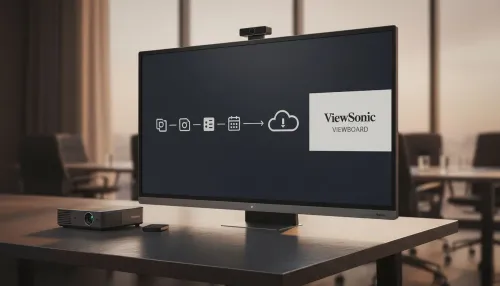
• Audit setup • Link accounts • Configure ViewBoard • Test workflows Integrate Google Workspace with ViewSonic ViewBoard to enable secure SSO, calendar and Drive sync, and smooth collaborative whiteboarding 🔗📋
Read more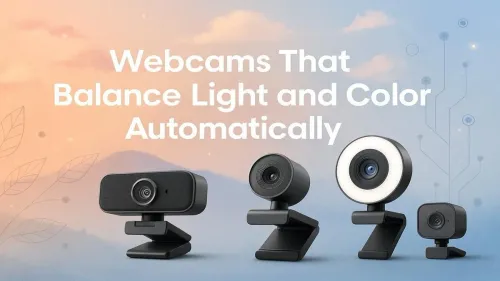
Discover webcams that automatically adjust light and color for crystal-clear video calls 🎥✨. Boost your streaming quality today!
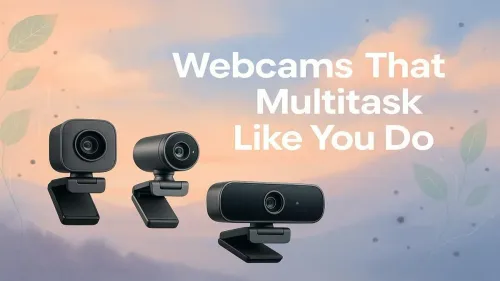
Discover webcams that blend into your workflow 🎯 Capture moments while you work, stream, or create. Upgrade your setup with smart, multitasking tech!
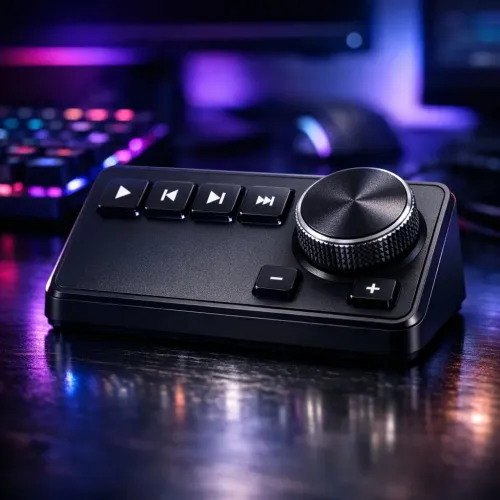
Dedicated media keys give streamers one-touch control to mute, switch scenes, clip highlights, and adjust audio — cutting task time and boosting consistency 🎛️⚡
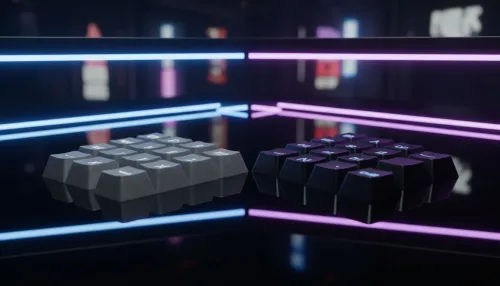
PBT vs ABS keycaps: Clear, local guide for South African gamers—compare feel, sound, durability and where to buy. Find the best material for your budget and playstyle 🎮🇿🇦
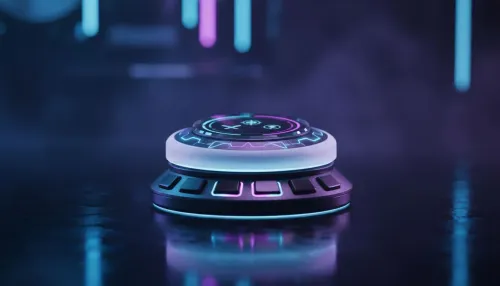
- Multi-Function Digital Dial: define benefits - Show gamer setups and macros - Offer buying and setup tips Multi-Function Digital Dial puts programmable control at your fingertips for faster actions and smoother streaming. 🎮⚙️
- Explain benefits; - Show the science; - Compare options; - Recommend picks. Magnetic wrist rest for gaming cuts wrist strain and boosts comfort during long sessions 🕹️✨