


Clean Gaming Keyboard: Guide for Dusty & Humid Conditions
Clean gaming keyboard quickly and safely in dusty or humid conditions with step-by-step tips, tool checklist, and maintenance routines to prevent corrosion and switch failure. 🧼💨
Read more• Audit setup • Link accounts • Configure ViewBoard • Test workflows Integrate Google Workspace with ViewSonic ViewBoard to enable secure SSO, calendar and Drive sync, and smooth collaborative whiteboarding 🔗📋
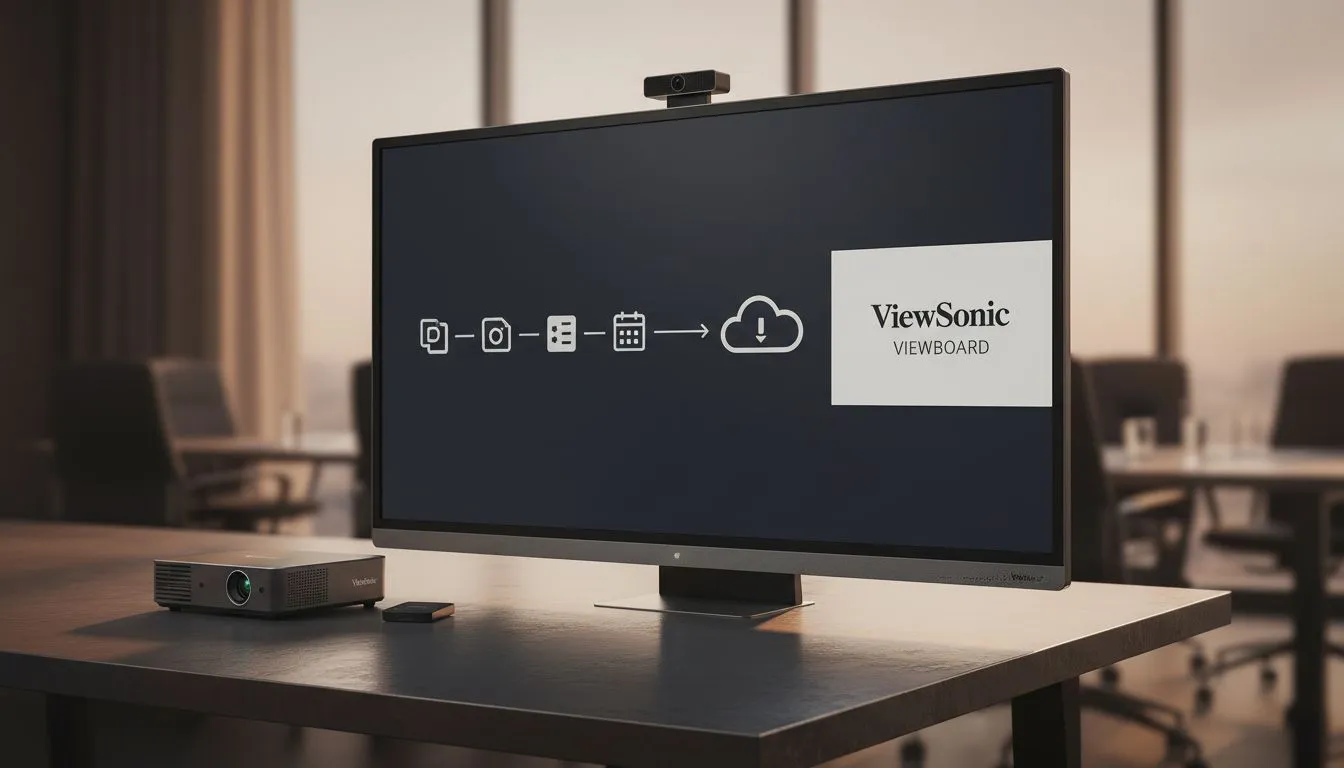
If your school, studio or small biz in South Africa needs faster meetings and cleaner collaboration, this is for you. A ViewSonic ViewBoard paired with Google Workspace turns whiteboard chaos into organised projects… no heavy IT lift. Read quick setup steps, hardware notes and local tips to get meetings moving, whether you teach in Cape Town or run a studio in Jozi.
To Integrate Google Workspace with ViewSonic ViewBoard Seamlessly start with the basics. Use the ViewBoard's built-in Chrome or Android mode, sign into your Google account, then open Google Drive and Meet in the browser. For collaborative lessons, create a shared Drive folder and invite participants before the session.
If your ViewBoard supports USB-C or HDMI with touch passthrough, connect a laptop for full input control. Use an admin Google Workspace account to manage device-level policies, like screen-sharing permissions and guest access.
On Windows, use the PowerToys FancyZones utility to create custom snap layouts for your windows. It's a lifesaver for managing multiple apps on an ultrawide monitor, letting you organise your timeline, preview window, and asset folders perfectly for video editing.
For hardware that suits collaborative rooms, browse our full monitor range at Evetech to match size and features to the room. See our full range here: monitor options and filters.
Choosing the right panel and form factor affects readability and response. IPS panels give wide viewing angles for classrooms; check our IPS listings for compatible monitors: IPS panel options.
Flat or curved panels change sightlines. For typical meeting rooms, flat screens work well: flat-screen choices. If you want immersive presentations, consider curved options: curved panels.
Gamers and training rooms that double as demo spaces should check adaptive sync support. For AMD FreeSync models, explore: FreeSync-compatible displays. For broader adaptive sync listings: Adaptive Sync options. NVIDIA setups can benefit from G-Sync supported monitors: NVIDIA G-Sync models.
If touch input lags, check the board's firmware and the browser version. Chrome updates often fix compatibility with Google Drive and Meet. Use Chrome’s kiosk mode for fixed-room setups to speed boot times and reduce accidental sign-outs.
For multi-room deployments, keep an inventory in Google Sheets and link each board to its admin account. That gives fast revocation and central control.
Ready to Find Your Perfect Match? The Mac vs Windows debate is complex, but for maximum power, choice, and value in South Africa, Windows is hard to beat. Explore our massive range of laptop specials and find the perfect machine to conquer your world.
Sign in as admin, enable SSO in Workspace, register the ViewBoard in your console, install the ViewSonic app, and test accounts. See google workspace viewboard setup.
Yes. Configure SAML SSO in Google Workspace and map attributes to the ViewBoard for secure single sign-on. This is a standard viewboard google workspace sso step.
Enable calendar API access in Workspace, authorize the ViewBoard app, and link room calendars to show meetings and one-touch join for calendar sync viewsonic viewboard.
Yes. Grant Drive permissions to the ViewBoard app to open, annotate, and save documents—part of google drive integration viewsonic.
Not always. Some ViewBoards run Android or Windows with native Google Meet support, but a Chromebox can simplify the viewboard chromebox google workspace setup.
Common issues: SSO misconfig, API permissions, network firewall blocks, or account scopes. Follow troubleshoot viewsonic google workspace steps to resolve.
Use SAML SSO, enforce 2FA, limit API scopes, keep ViewBoard firmware updated, and follow best practices viewboard google workspace for secure deployments.
Clean gaming keyboard quickly and safely in dusty or humid conditions with step-by-step tips, tool checklist, and maintenance routines to prevent corrosion and switch failure. 🧼💨
Read more
Best gaming keyboard features to prioritize when building a high-end setup: mechanical switches, low latency, hot-swap, RGB, macros, durability and ergonomics 🎮⌨️
Read more
Custom actuation point keyboard setup guide: learn to set per-key actuation on your analog gaming keyboard for faster, precise inputs and better control 🎮⚙️
Read more
Cable management for home entertainment helps you eliminate cable clutter quickly and safely. Learn routing, concealment, and product picks to tidy your setup fast 📺🔌
Read more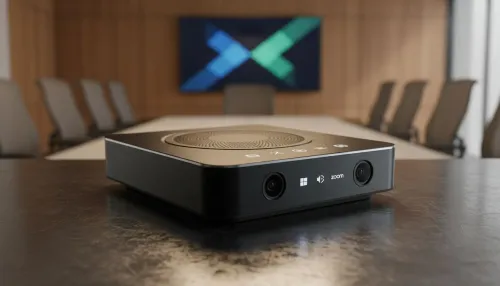
conference room setup Microsoft Teams Zoom: Upgrade AV, camera, mic, and network to ensure seamless meetings, clear audio, and crisp video 🎯🔧
Read more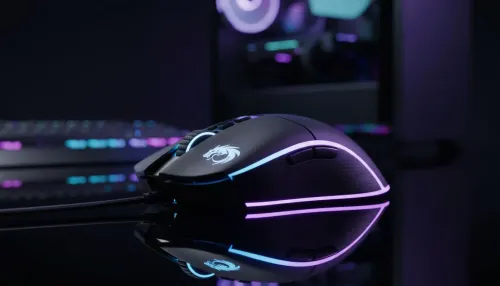
Best gaming mouse for beginners: fast, comfy picks and pairing tips for your first gaming PC. Learn DPI, grip, wired vs wireless, and budget picks 🎮🖱️
Read more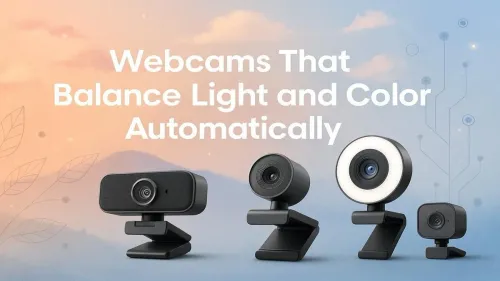
Discover webcams that automatically adjust light and color for crystal-clear video calls 🎥✨. Boost your streaming quality today!
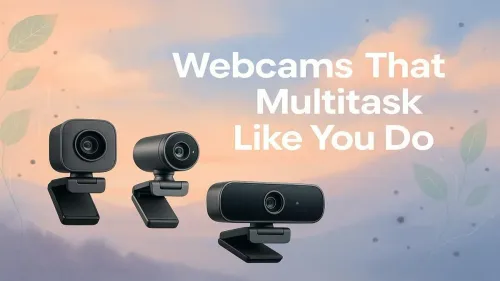
Discover webcams that blend into your workflow 🎯 Capture moments while you work, stream, or create. Upgrade your setup with smart, multitasking tech!
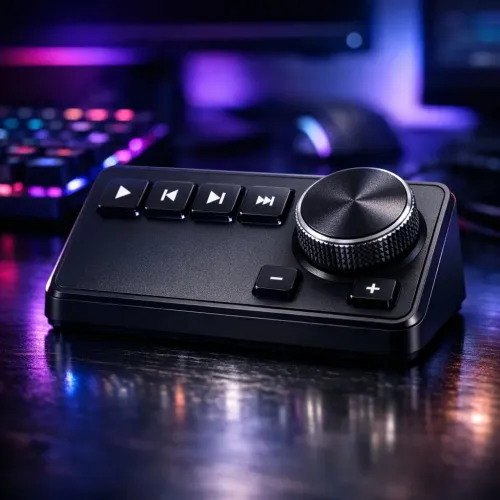
Dedicated media keys give streamers one-touch control to mute, switch scenes, clip highlights, and adjust audio — cutting task time and boosting consistency 🎛️⚡
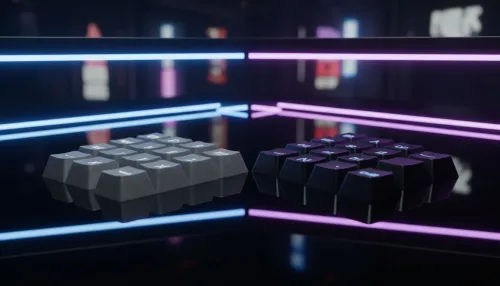
PBT vs ABS keycaps: Clear, local guide for South African gamers—compare feel, sound, durability and where to buy. Find the best material for your budget and playstyle 🎮🇿🇦

- Multi-Function Digital Dial: define benefits - Show gamer setups and macros - Offer buying and setup tips Multi-Function Digital Dial puts programmable control at your fingertips for faster actions and smoother streaming. 🎮⚙️
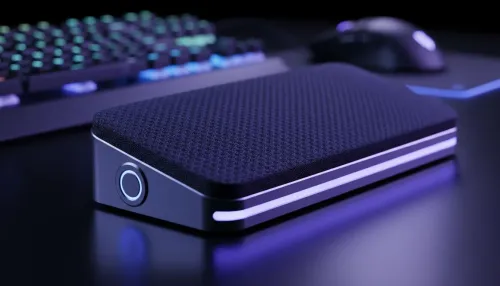
- Explain benefits; - Show the science; - Compare options; - Recommend picks. Magnetic wrist rest for gaming cuts wrist strain and boosts comfort during long sessions 🕹️✨