Most buying guides for this hobby list parts. This one lists an order, because buying a direct drive sim racing setup in the wrong sequence means paying for things twice, once when you guess and again when the guess turns out wrong once the bigger pieces are actually in the room.
Quick Answer
Work in four steps: the wheel package, the frame, the seat, then the extras. Starting at R14,999 for a 9Nm base with load cell pedals keeps the order sensible, and the South African questions of space, warranty, heat and a stable connection get answered naturally as you move through each step rather than needing to be solved all at once upfront.
1️⃣ The wheel package: the fixed decision that anchors everything else
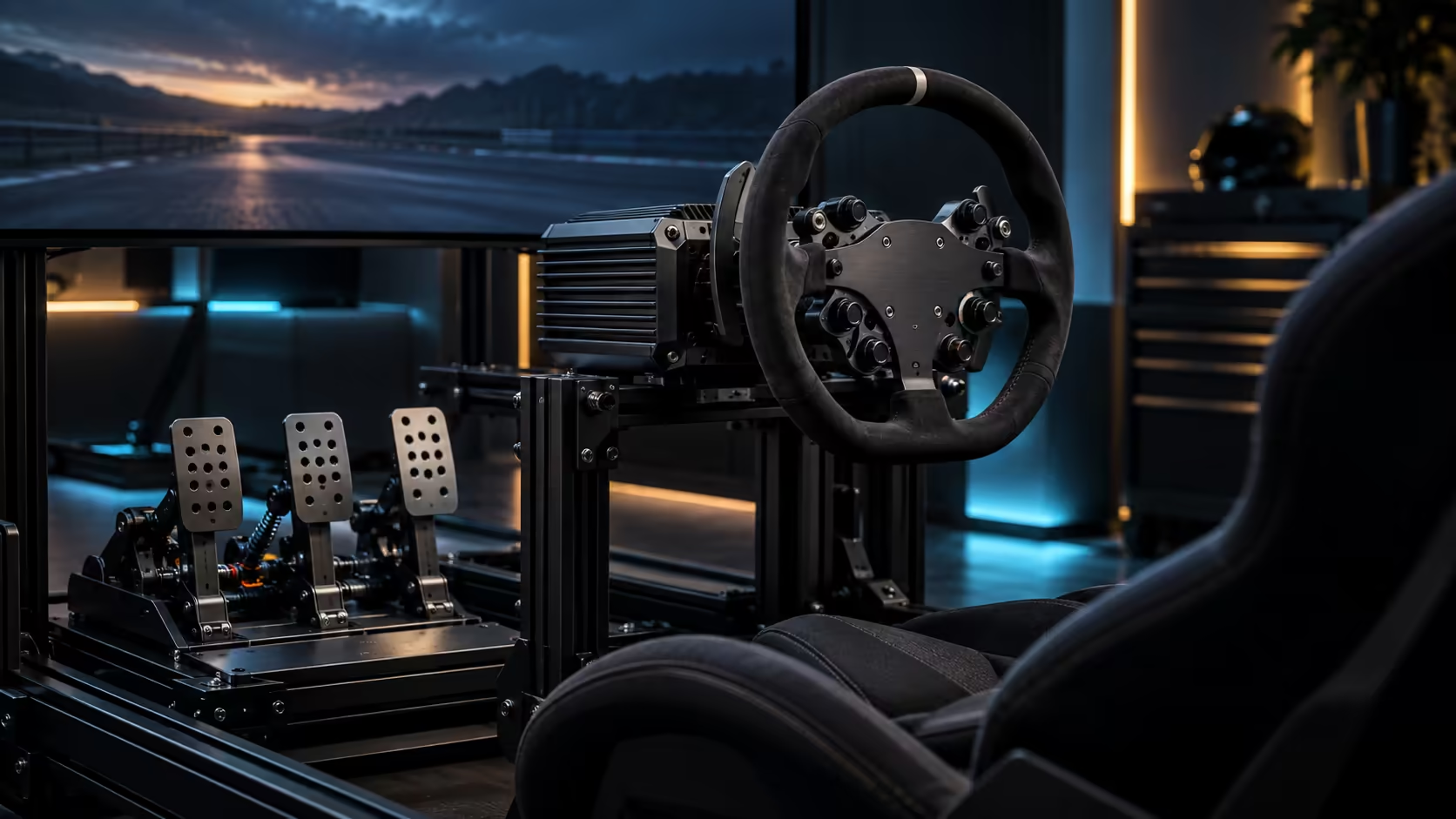
Buy the wheel base and pedals first, because every later decision, frame size, mounting pattern, even seat position, is sized around this purchase rather than the other way round. A 9Nm base with a 150kg load cell brake and a GT-style rim, as in the Green Flag bundle, is a single, known quantity at a fixed price, which makes it the easiest step to complete confidently before anything else is decided.
This is also the step where buying locally pays off. A direct drive base occasionally needs genuine repair rather than a swap, and sorting that out stays a same-country errand rather than turning into an overseas shipping ordeal, provided the original purchase happened here.
2️⃣ The frame: sized to what you already bought, not guessed in advance
With the wheel package decided, measure what it actually needs to mount to. A rig, a dedicated stand, or a heavy through-bolted desk are all valid choices, and which one suits you depends on the space available and whether the setup needs to be portable or permanent. This is also where South African space realities matter most: a flat or a townhouse room usually has less floor area than the photos in a rig's marketing suggest, so measure the actual space, leaving at least 1 metre behind the seat for getting in and out, before committing to a frame size.
3️⃣ The seat: decided alongside the frame, not after it
A simulator chair or a seat mounted directly to the rig belongs in the same purchasing step as the frame, not treated as a later add-on. Pressing hard into a load cell brake drives your torso back into the seat with real force, and an ordinary castor-mounted chair will roll under that push, undoing the exact consistency the pedals were bought to provide. Deciding the seat alongside the frame also avoids a mismatch, since some rigs expect a specific seat mounting pattern that is easier to plan for upfront than to retrofit later.
4️⃣ The extras: mounting hardware, cabling, and the environment around the rig
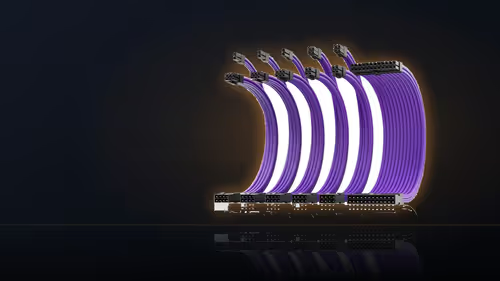
Once the wheel, frame and seat are settled, smaller items round out the build: non-slip mounting plates, cable management, and any additional accessories from the simulation gear range, cross-checked against the wider racing simulation shelf for anything specific to your base. This step is also where South African environmental realities are worth a final thought. A rig sited in a garage or a room exposed to dry, dusty inland winters benefits from an occasional wipe-down of cooling vents and connectors, and if you plan to race other people online, confirming a wired connection to your router rather than relying on shared household Wi-Fi avoids the dropped-packet issues that turn clean racing into frustrating, unpredictable contact.
🧭 Why this order avoids paying twice
Buying a frame before knowing the wheel package's exact mounting requirements risks a mismatch. Buying a seat after discovering an office chair does not work means an unplanned second purchase. Buying the wheel package last, after already committing to a frame sized around a guess, is the most expensive mistake of all, potentially wasting the full R14,999 spent on a base the frame cannot properly hold. Working through the four steps in order keeps each decision informed by the one before it rather than made in isolation, and it is the difference between a rig built once and one rebuilt piece by piece over several frustrating weekends.
Frequently Asked Questions
Should I buy the frame before the wheel package?
No. The wheel package should come first, since the frame's size and mounting pattern depend on the base and pedals you actually own, not the other way round.
Is a seat really a separate buying step, not an accessory?
Yes. A seat that moves under load undermines load cell brake accuracy directly, which makes it a core part of the build rather than an optional extra.
What South African factors matter in the extras step?
Dust exposure in a dry inland winter, and connection stability if you plan to race others online. Both are cheap to address at this stage and easy to overlook later.
Ready to build this in the order that avoids buying anything twice?
Start with the wheel package, then work through the frame, seat and extras in sequence.