


Clean Gaming Keyboard: Guide for Dusty & Humid Conditions
Clean gaming keyboard quickly and safely in dusty or humid conditions with step-by-step tips, tool checklist, and maintenance routines to prevent corrosion and switch failure. 🧼💨
Read moreSearching for the best CPU for hot climates? High ambient temperatures can throttle your gaming performance, leading to frustrating lag. We've tested and ranked the top processors that run cool under pressure, ensuring you get maximum frames without overheating. 🌡️ Discover CPUs with excellent thermal design and low TDP to keep your rig frosty and your gameplay smooth. ❄️

It's a classic South African summer story. You're deep in a tense firefight, the air is thick, and your PC fan sounds like it’s preparing for takeoff. Suddenly… stutter. Your frame rate plummets. Your high-end rig is thermal throttling, costing you the win. Sound familiar? Choosing one of the best CPUs for hot climates isn't just a luxury for SA gamers; it's a strategic advantage that keeps you in the game when things heat up. 🔥
Every computer component generates heat, but the Central Processing Unit (CPU) is the brain of your rig and often one of the hottest parts. When a CPU gets too hot, it automatically reduces its performance to prevent damage—a process called thermal throttling. For gamers, this means unexpected lag, lower frame rates, and a frustrating experience, especially during long sessions on a warm day.
Finding a processor that balances raw power with thermal efficiency is key. A cool-running CPU not only maintains peak performance for longer but also contributes to a quieter system, as your fans won't have to work as hard. This makes selecting the right chip crucial for building a reliable gaming PC in our climate.
When you're hunting for a CPU that can handle the heat, don't just look at raw clock speeds. Two other specs are far more important for cool operation:
TDP is a measure of the maximum heat a CPU is expected to generate under a typical workload. A lower TDP generally means less heat output and lower power consumption. While not a perfect 1-to-1 measure of heat, it's an excellent starting point for identifying more efficient, cooler-running processors.
Modern CPUs are engineering marvels. Newer architectures are often built on smaller manufacturing processes (like 5nm or 7nm), which makes them inherently more power-efficient. They can do more work per watt of energy consumed, which translates directly into less waste heat. This is why a brand-new mid-range CPU can often run cooler and faster than a high-end chip from a few years ago.
CPU can't stay cool if your case is an oven. Ensure you have a clear airflow path: at least one intake fan pulling cool air in (usually from the front or bottom) and one exhaust fan pushing hot air out (from the back or top). Clean the dust filters regularly to keep your system breathing easy!
So, which processors should be on your radar? Both Intel and AMD offer fantastic options that deliver incredible performance without turning your PC case into a braai.
AMD's recent processors have gained a stellar reputation for their "Zen" architecture's efficiency. Many of their chips offer a fantastic balance of high core counts and manageable power draw, making them excellent choices for hot climates. Features like Precision Boost Overdrive and Eco-Mode allow you to fine-tune performance and power consumption, giving you direct control over thermals. For gamers looking for top-tier performance that won't cook their components, exploring the range of AMD's Ryzen processors is a brilliant move.
Intel's modern architecture uses a hybrid design, combining powerful Performance-cores (P-cores) for demanding tasks like gaming with efficient Efficiency-cores (E-cores) for background processes. This smart allocation of resources means the CPU only uses maximum power when absolutely necessary. This approach helps manage heat effectively during varied workloads, making many of Intel's latest Core CPUs a strong option for a cool-running gaming rig. ✨
Remember, even the most efficient CPU needs help. A powerful processor paired with a stock cooler is a recipe for throttling in a warm room. Investing in a quality aftermarket air cooler or an All-in-One (AIO) liquid cooler is one of the best upgrades you can make for performance and stability. When you're thinking about upgrading your CPU, factor a good cooling solution into your budget. It's the key to unlocking your processor's full potential, no matter how hot it gets outside.
Ready to Beat the Heat? Thermal throttling shouldn't cost you the game. The right processor makes all the difference in our South African climate. Explore our full range of powerful CPU processors and build a rig that stays cool under pressure.
Yes, a hot room increases the ambient temperature, making it harder for your cooler to dissipate heat. This can lead to thermal throttling, where the CPU reduces its speed to prevent overheating.
Both brands offer efficient models. Focus on CPUs with a lower Thermal Design Power (TDP) and excellent stock coolers or pair them with a robust aftermarket cooler for the best results in hot weather.
Look for a low tdp gaming cpu in the 65W to 105W range. These processors are designed for efficiency, generating less heat and making them easier to cool in warmer environments.
Besides choosing an efficient CPU, ensure your PC case has good airflow, clean dust from fans regularly, and consider upgrading to a high-performance air or AIO liquid cooler for better results.
Generally, yes. More cores can generate more heat when under full load. However, modern architecture and power efficiency play a huge role. An efficient 8-core CPU may run cooler than an older 6-core.
Absolutely. Undervolting reduces the voltage supplied to the CPU, often without sacrificing performance. This leads to significantly lower temperatures and power consumption, ideal for hot climates.
Clean gaming keyboard quickly and safely in dusty or humid conditions with step-by-step tips, tool checklist, and maintenance routines to prevent corrosion and switch failure. 🧼💨
Read more
Best gaming keyboard features to prioritize when building a high-end setup: mechanical switches, low latency, hot-swap, RGB, macros, durability and ergonomics 🎮⌨️
Read more
Custom actuation point keyboard setup guide: learn to set per-key actuation on your analog gaming keyboard for faster, precise inputs and better control 🎮⚙️
Read more
Cable management for home entertainment helps you eliminate cable clutter quickly and safely. Learn routing, concealment, and product picks to tidy your setup fast 📺🔌
Read more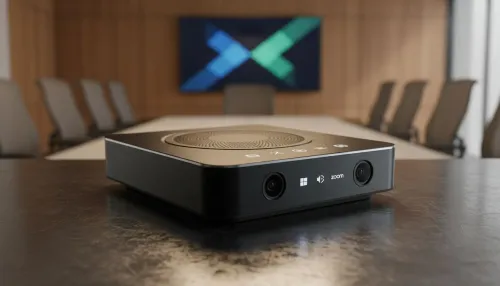
conference room setup Microsoft Teams Zoom: Upgrade AV, camera, mic, and network to ensure seamless meetings, clear audio, and crisp video 🎯🔧
Read more
• Audit setup • Link accounts • Configure ViewBoard • Test workflows Integrate Google Workspace with ViewSonic ViewBoard to enable secure SSO, calendar and Drive sync, and smooth collaborative whiteboarding 🔗📋
Read more
Discover webcams that automatically adjust light and color for crystal-clear video calls 🎥✨. Boost your streaming quality today!

Discover webcams that blend into your workflow 🎯 Capture moments while you work, stream, or create. Upgrade your setup with smart, multitasking tech!
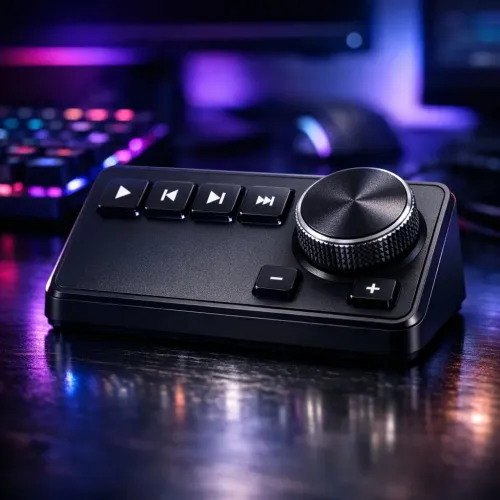
Dedicated media keys give streamers one-touch control to mute, switch scenes, clip highlights, and adjust audio — cutting task time and boosting consistency 🎛️⚡

PBT vs ABS keycaps: Clear, local guide for South African gamers—compare feel, sound, durability and where to buy. Find the best material for your budget and playstyle 🎮🇿🇦

- Multi-Function Digital Dial: define benefits - Show gamer setups and macros - Offer buying and setup tips Multi-Function Digital Dial puts programmable control at your fingertips for faster actions and smoother streaming. 🎮⚙️
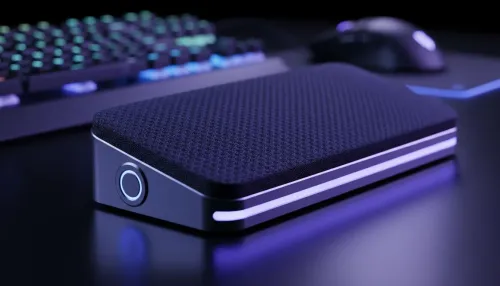
- Explain benefits; - Show the science; - Compare options; - Recommend picks. Magnetic wrist rest for gaming cuts wrist strain and boosts comfort during long sessions 🕹️✨