You’re in the final circle, the tension is thick, and your PC sounds like a jet engine about to take off. Your CPU temperature is climbing into the danger zone, threatening to throttle your performance when it matters most. Sound familiar? For many South African gamers, this is a real problem. Finding the best water cooling radiators isn't just an upgrade; it's essential for unlocking stable, high-end performance and keeping your rig cool under pressure. ❄️
Why Radiator Thickness is Key to Performance
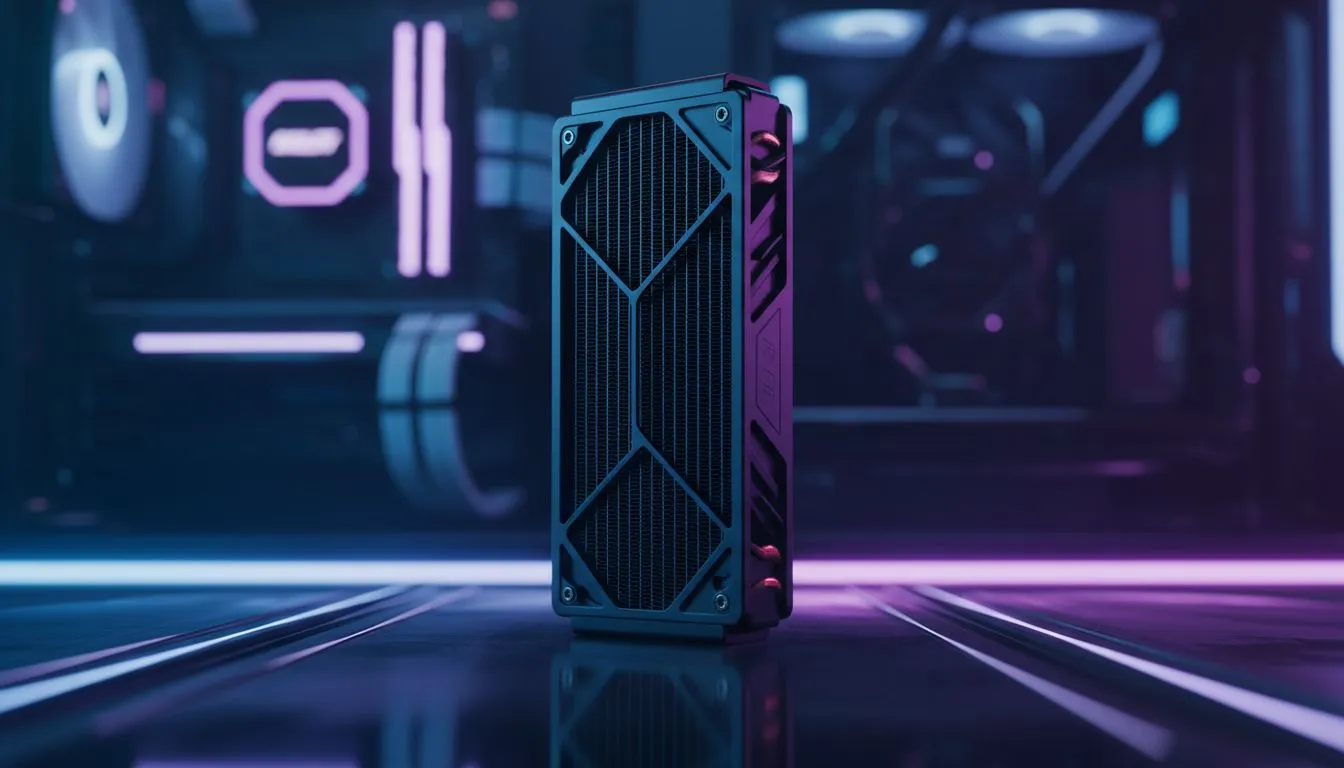
Before diving into models, let's talk physics. A radiator's job is to dissipate heat from the liquid flowing through your cooling loop. Its effectiveness boils down to two main factors: surface area and airflow. The best water cooling radiators master this balance.
Thickness directly impacts the total surface area available for heat exchange. A thicker radiator can hold more coolant and has more metal fins to transfer heat to the air. However, there's a catch called FPI (Fins Per Inch). A high FPI means more fins packed into a smaller space, which is great for surface area but restricts airflow. This means thicker, high-FPI radiators need powerful, high-static-pressure fans to work effectively.
For most builders, understanding this trade-off is the first step. You can find a huge variety of CPU coolers to suit any need, but choosing the right radiator is what makes a liquid cooling system truly shine.
Choosing the Best Water Cooling Radiator for Your Build
The ideal radiator depends entirely on your PC case, your CPU, and your performance goals. Let's break down the common sizes to help you find your perfect match.
Slim Radiators (Under 30mm)
Slim radiators are the heroes of compact, small-form-factor (SFF) builds. If you're working with a tight space but still want the benefits of liquid cooling, this is your best bet. They don't offer the absolute peak cooling potential, but they are a massive step up from stock coolers and pair well with quieter, lower-RPM fans.
Standard Radiators (30mm - 45mm)
This is the sweet spot for the vast majority of gaming PCs. A standard-thickness radiator, especially a popular 360mm Radiator, provides an excellent balance of thermal performance and compatibility. It can easily handle high-end CPUs like an Intel Core i7 or AMD Ryzen 7 without needing deafeningly loud fans, making it one of the most versatile options for achieving great performance.
Check Your Clearance! 🔧
Before you buy a chunky radiator, grab a measuring tape. Check your PC case's official specs for radiator compatibility (top, front, and side mounts). Remember to account for both the radiator and the fans, which typically add another 25mm. There's nothing worse than getting your new gear home only to find it doesn't fit!
Thick Radiators (45mm+)
Welcome to the enthusiast zone. Thick radiators are for those who want to push their hardware to the absolute limit. If you're into serious overclocking or running a top-tier CPU like a Core i9 or Ryzen 9, a thick radiator offers the maximum heat dissipation. Brands like CORSAIR offer fantastic high-performance options, but be prepared: you'll need a spacious case and fans designed to push a lot of air. 🚀
AIO vs. Air Cooling: What’s Right for You?
When looking at water cooling, most gamers in South Africa will be choosing an All-In-One (AIO) unit. These are sealed, pre-filled systems that are easy to install and offer incredible performance for their cost. The modern Liquid Cooler (AIO) is a marvel of engineering, bringing high-end cooling to the masses.
However, don't dismiss the classics. A premium Air Cooler can often compete with smaller AIOs in performance and offers simplicity and rock-solid reliability. The choice depends on your budget, aesthetic preference, and how much heat your CPU generates.
Our Verdict: Finding Your Cooling Solution
Ultimately, the best water cooling radiator for you is the one that fits your case, matches your CPU's heat output, and aligns with your performance goals.
- For SFF and budget builds: A slim radiator is perfect.
- For most gamers: A standard 30-45mm radiator is the ideal all-rounder.
- For overclockers and enthusiasts: Go thick for maximum chilling power.
By understanding the role of thickness and FPI, you're now equipped to make an informed decision and keep your rig frosty, no matter how intense the game gets. ✨
Ready to Chill Your Rig?
Choosing the right radiator can feel complex, but now you're ready to make the smart choice. For the best performance, value, and range in South Africa, a quality cooler is unbeatable. Explore our massive range of PC components and find the perfect solution to keep your temps low and your frames high.