



Fix Wrong Refresh Rate on a RX 9070 XT Build Setup
Wrong Refresh Rate on a RX 9070 XT Build setup is usually a display chain, driver, cable, or settings issue. Check monitor mode, GPU output, OS settings, and game settings first.
Read moreBuilding a 360Hz esports rig for strategy needs a balanced parts plan, not a random basket. Map the CPU, GPU, RAM, SSD, cooling, and monitor target to the budget so SA builders know where to spend first.
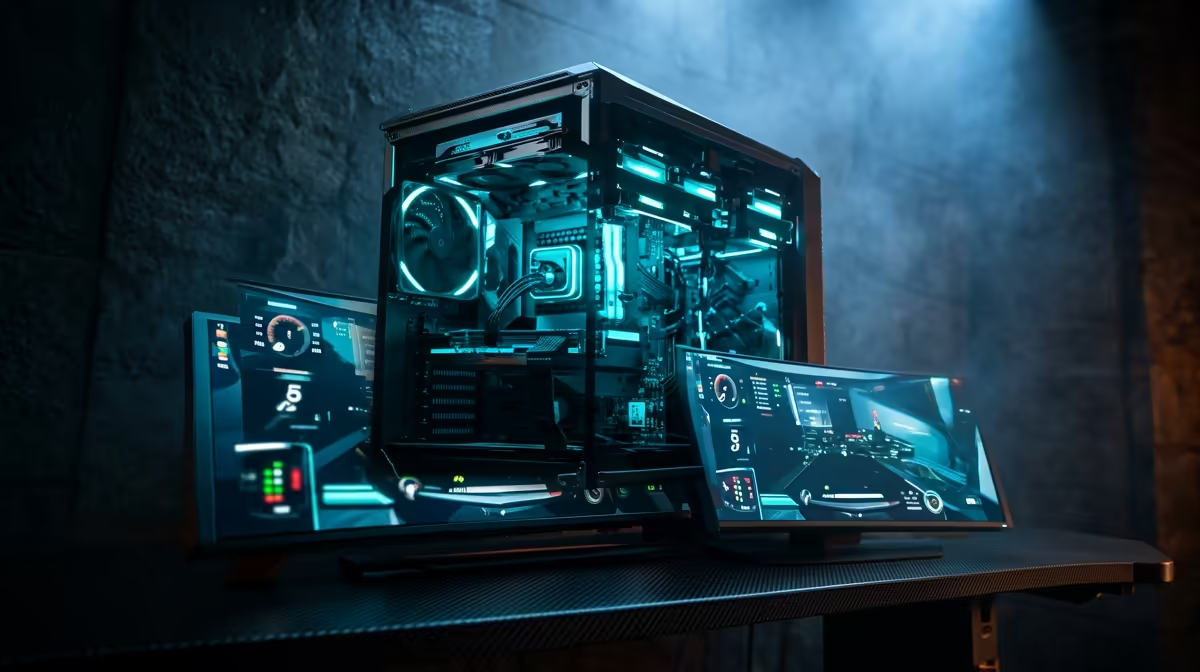
A 360Hz rig for strategy and sim games is worth building only if you also play competitive shooters — strategy titles like Total War, Age of Empires IV, and Civilization VII never exceed 100–150 fps and won't benefit from 360Hz. The smart move is one rig: Ryzen 7 7800X3D (strong in strategy) + RTX 4070 + 360Hz display, which covers both use cases for around R42,000.
Total War: Warhammer III at ultra settings averages 45–80 fps on an RTX 4070 in large battles — far below 360Hz. Civilization VII is CPU-bound and caps at 60fps in late-game turns on most hardware. Microsoft Flight Simulator averages 50–90 fps at ultra settings even on top hardware. None of these titles benefit directly from 360Hz.
The benefit comes when you switch to CS2 or Valorant — where the same rig delivers 400–500+ fps. If your play time splits between competitive esports and strategy/sim, a 360Hz build makes sense. If you exclusively play strategy, spend the monitor budget on a 27-inch 1440p IPS instead.
Strategy games are uniquely CPU-bound in late-game with hundreds of units. The Ryzen 7 7800X3D's 3D V-Cache design reduces cache-miss latency in these scenarios, delivering 15–30% higher fps in turn-processing and real-time battles compared to a standard Ryzen 7 7700X. For an SA gamer who plays both Age of Empires IV and Valorant, this chip does both jobs exceptionally well.
A 24-inch 1080p 360Hz panel is fine for strategy games — you're not zooming into fine detail, and the higher refresh rate makes map panning smoother. If the strategy side is important, a 27-inch 1440p 240Hz panel (~R8,000) offers better screen real estate for large maps. Only go 360Hz if the esports use case dominates your sessions.
RTS games with fast-paced action (StarCraft II in late-game micro, Age of Empires IV unit fights) do respond to higher refresh rates — the smoother cursor tracking and reduced input lag improves unit selection speed. But 144Hz vs 360Hz in strategy is far less impactful than in shooters.
Yes — MSFS runs at whatever fps the hardware delivers. At 1080p medium settings on an RTX 4070, expect 80–100 fps. The 360Hz display shows all available frames; enabling FreeSync/G-Sync removes tearing at these frame rates, making the sim feel smoother.
For strategy and simulation, higher RAM frequency helps — Ryzen 7000 series benefits from DDR5-6000 due to its Infinity Fabric speed relationship. The difference between DDR5-4800 and DDR5-6000 on a 7800X3D in Civilization and Total War is roughly 8–12% fps in CPU-bound scenes.
War: Warhammer III, set Unit Size to "Large" rather than "Ultra" — this reduces the AI unit-processing load on the CPU by 20–30% in large battles, keeping fps above 60 on a Ryzen 7 7800X3D without noticeably impacting visual spectacle.
Wrong Refresh Rate on a RX 9070 XT Build setup is usually a display chain, driver, cable, or settings issue. Check monitor mode, GPU output, OS settings, and game settings first.
Read more
Screen Flickering on an RX 9070 XT is usually a setup, driver, cable, firmware, display, or configuration check. Work through safe steps before replacing parts or blaming one component in an SA build.
Read more
X870E motherboard crashing can involve BIOS, RAM, chipset drivers, storage, power, heat, or device conflicts. Check logs and repeatable load patterns before replacing the board in a South African gaming PC.
Read more
OLED gaming monitor crashing after a GPU driver update needs a careful rollback path. Start with recent changes, safe boot options, driver or BIOS settings, logs, cables, and restore points before replacing hardware. Change one thing at a time.
Read more
Computer Science laptop + Bishopscourt digs should be shortlisted around the job it must do. South African buyers should compare CPU, GPU, RAM, and screen quality, warranty path, and upgrade room before treating any pick as best.
Read more
Wits Information Systems student in Waterkloof? needs a balanced parts plan, not a random basket. Map the CPU, GPU, RAM, SSD, cooling, and monitor target to the budget so SA builders know where to spend first.
Read more
Steam game recording black screen needs a fresh capture and export test before a hardware upgrade. Check the recording mode, free space and whether another game records correctly. Community reports suggest testing broadcasting settings, but that is not a universal fix.
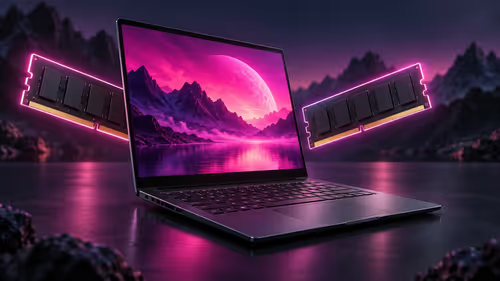
MSI Stealth 16 RTX 5070 specs need an exact SKU check because current listings disagree on GPU memory. One UK listing says 12GB while MSI's family table says 8GB. Confirm the supplied configuration rather than assuming either describes every machine.
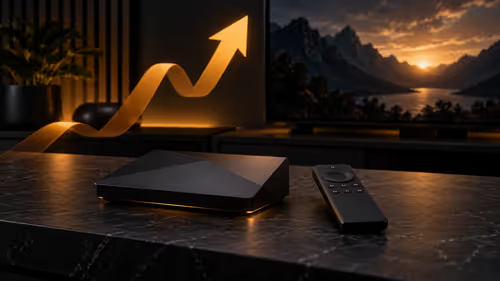
SHIELD TV Pro price increase means a higher US price for the existing streaming box. NVIDIA confirmed the change starts on 2 October and cited component costs. Compare playback needs, regional service access and the full local quote before buying.

Is a transparent phone mount the key to clearer windshield views? 🚗 We analyze if these see-through accessories actually reduce obstruction while driving or if they’re just a clever marketing gimmick. Find out which mount keeps your dash clean. 📱
Steam game missing from library usually needs an account and filter check before a reinstall. Match your receipt to the signed-in account, clear library filters and inspect hidden games. Installed files do not establish ownership on the account you are using.
Steam game recording black screen needs a fresh capture and export test before a hardware upgrade. Check the recording mode, free space and whether another game records correctly. Community reports suggest testing broadcasting settings, but that is not a universal fix.

Windows 11 two finger scroll not working needs a gesture and driver check first. Test pointer movement and scrolling in more than one app, inspect Touchpad settings and use Windows Update or the laptop maker's driver. A new mouse is only a workaround.
Windows 11 Insider 26220.9587 is a Beta preview released on 2 October. Microsoft lists Unicode text support, Settings performance work and a Cloud Rebuild entry point. These are preview changes, not a reason to move your only working PC onto a test build.
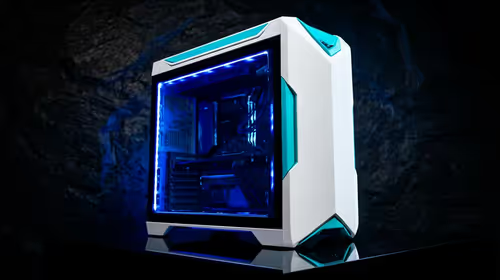
white PC builds in SA is worth checking through fit, cost, availability, and upgrade impact instead of a blanket trend claim. SA builders should compare setup details before changing parts or priorities.
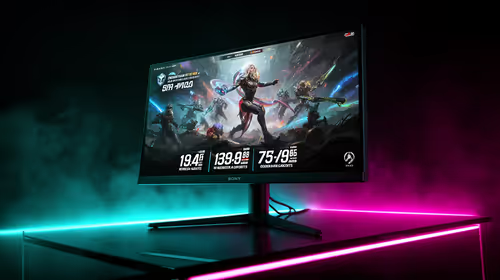
IPS vs OLED depends on Competitive esports needs, platform limits, and budget fit. Compare compatibility, latency, upgrade path, and real setup constraints before choosing for an SA build.
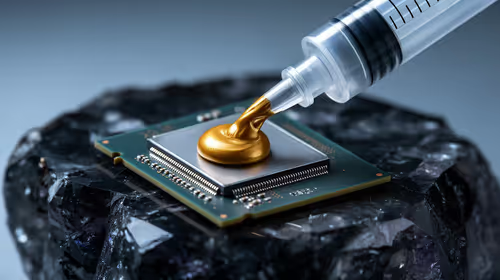
Should I use thermal paste or thermal pads should be shortlisted around the job it must do. South African buyers should compare GPU tier, VRAM, cooling, and PSU headroom, warranty path, and upgrade room before treating any pick as best.
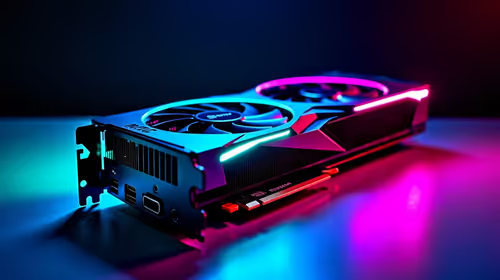
Skip the RTX 5060 for local AI workloads if memory headroom is the bigger need. SA buyers should compare VRAM capacity, CUDA support, PSU needs, case space, gaming overlap, software stack, and realistic model sizes before choosing a GPU for your PC.