


Clean Gaming Keyboard: Guide for Dusty & Humid Conditions
Clean gaming keyboard quickly and safely in dusty or humid conditions with step-by-step tips, tool checklist, and maintenance routines to prevent corrosion and switch failure. 🧼💨
Read moreCPU cooler compatibility matters for noise, temps, and fit — learn socket, backplate, and case clearance checks so your cooler fits perfectly. Step-by-step tips and fixes. 🔧❄️

So, you’ve picked out a beast of a CPU for your new rig. Awesome. Now for the cooler. You see a massive, RGB-lit tower cooler that looks like it could chill a Jozi summer... but will it actually fit? Getting CPU cooler compatibility right is one of the most overlooked steps in a PC build. It’s the difference between a smooth, successful boot and the massive frustration of having to return a part that just won’t work.
Before you click "add to cart," you need to verify three key things. Nailing your CPU cooler compatibility check comes down to the socket, your RAM, and your case dimensions. Get these three right, and you're golden. With the massive selection of modern CPU coolers available, finding one that fits perfectly is easier than you think... if you know what to look for.
This is the most critical check. Your motherboard's CPU socket must match the cooler's mounting hardware. Modern Intel CPUs typically use sockets like LGA 1700, while AMD uses AM5. Most cooler manufacturers include brackets for both platforms in the box, but you must always confirm.
Checking the cooler's spec sheet on the product page is essential. There’s no workaround for an incompatible socket.
This one catches so many builders by surprise, especially with large air coolers. Those towering heatsinks and big fans can overhang the DIMM (RAM) slots on your motherboard. If you've invested in RAM with tall, flashy heat spreaders (like Corsair's Vengeance RGB series), a bulky air cooler might physically block one or more slots. 🔧
How to check?
Use a tool like PCPartPicker to get a preliminary idea of compatibility. It's great for flagging major issues. However, always treat the manufacturer's official spec sheet on the Evetech product page as the final source of truth, especially for physical dimensions like cooler height and RAM clearance.
The type of cooler you choose introduces different compatibility questions.
This is the final check. Your PC case specifications are your best friend here. Look for two key numbers on the case's product page:
Beyond just fitting, think about airflow and aesthetics. You can explore some fantastic-looking Gamdias AIO liquid coolers that feature vibrant RGB, which you'll want to place where they can be seen and breathe easily. ✨
Taking a few extra minutes to check these details ensures your build process is smooth and your powerful new CPU stays cool and quiet.
Ready to Find Your Perfect Match? Don't let compatibility concerns hold you back. By checking the socket, RAM, and case specs, you can build with confidence. Explore our massive range of CPU coolers and find the perfect cooling solution for your rig today.
Confirm socket type, mounting holes, and backplate clearance. Cross-check your motherboard spec for supported sockets and mounting hardware.
Measure from CPU top to side-panel inside. Compare the result to the cooler height spec to avoid interference with RAM or panels.
Some low-profile air coolers work in mini ITX. Check 'air cooler compatibility with mini itx' and case CPU cooler height limits first.
Yes—verify radiator mount points, fan clearance, and that the pump/backplate won't block DIMM slots or GPU headers.
Sockets dictate mounting brackets and backplates. Look for explicit compatibility (e.g., LGA 1700, AM5) on cooler pages before buying.
Use a low-profile cooler, change mounting orientation, or switch to a compatible backplate. Check 'cpu cooler backplate interference' guides.
Measure from CPU center to nearest RAM/VRM fin edge and confirm the cooler's footprint and fan thickness won’t collide.
Clean gaming keyboard quickly and safely in dusty or humid conditions with step-by-step tips, tool checklist, and maintenance routines to prevent corrosion and switch failure. 🧼💨
Read more
Best gaming keyboard features to prioritize when building a high-end setup: mechanical switches, low latency, hot-swap, RGB, macros, durability and ergonomics 🎮⌨️
Read more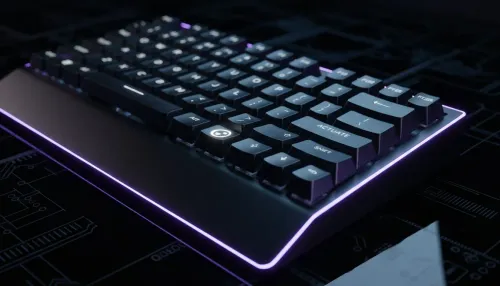
Custom actuation point keyboard setup guide: learn to set per-key actuation on your analog gaming keyboard for faster, precise inputs and better control 🎮⚙️
Read more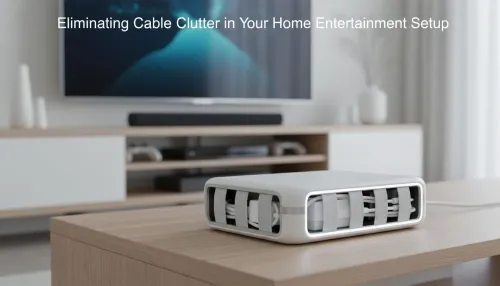
Cable management for home entertainment helps you eliminate cable clutter quickly and safely. Learn routing, concealment, and product picks to tidy your setup fast 📺🔌
Read more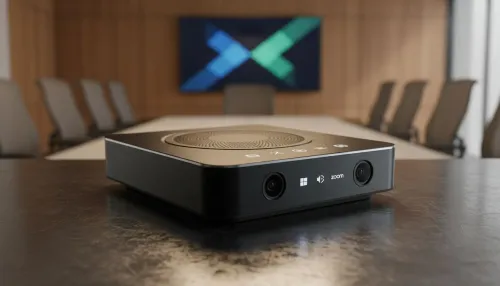
conference room setup Microsoft Teams Zoom: Upgrade AV, camera, mic, and network to ensure seamless meetings, clear audio, and crisp video 🎯🔧
Read more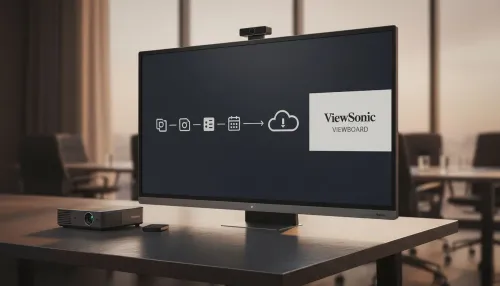
• Audit setup • Link accounts • Configure ViewBoard • Test workflows Integrate Google Workspace with ViewSonic ViewBoard to enable secure SSO, calendar and Drive sync, and smooth collaborative whiteboarding 🔗📋
Read more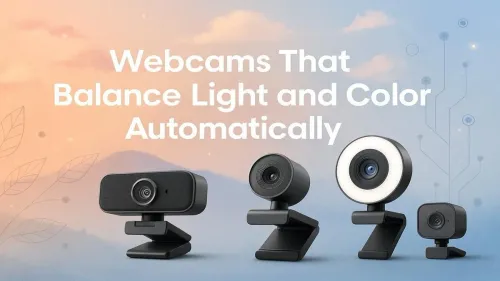
Discover webcams that automatically adjust light and color for crystal-clear video calls 🎥✨. Boost your streaming quality today!
Read more
Discover webcams that blend into your workflow 🎯 Capture moments while you work, stream, or create. Upgrade your setup with smart, multitasking tech!
Read more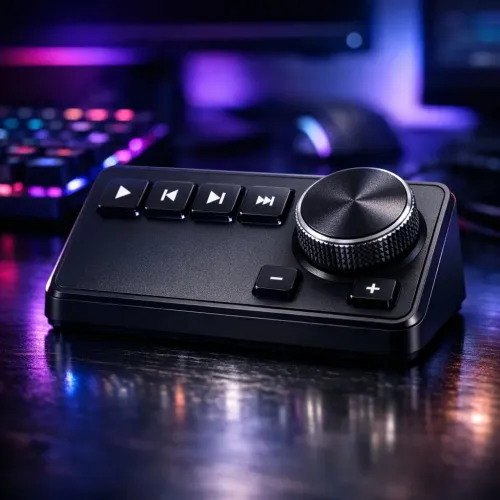
Dedicated media keys give streamers one-touch control to mute, switch scenes, clip highlights, and adjust audio — cutting task time and boosting consistency 🎛️⚡
Read more
PBT vs ABS keycaps: Clear, local guide for South African gamers—compare feel, sound, durability and where to buy. Find the best material for your budget and playstyle 🎮🇿🇦
Read more
- Multi-Function Digital Dial: define benefits - Show gamer setups and macros - Offer buying and setup tips Multi-Function Digital Dial puts programmable control at your fingertips for faster actions and smoother streaming. 🎮⚙️
Read more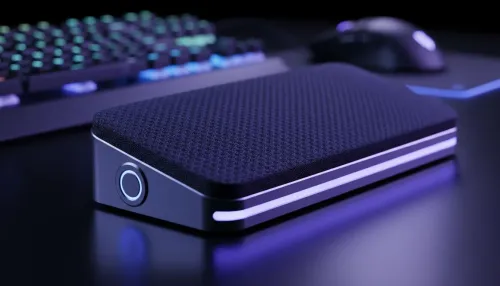
- Explain benefits; - Show the science; - Compare options; - Recommend picks. Magnetic wrist rest for gaming cuts wrist strain and boosts comfort during long sessions 🕹️✨
Read more