


Clean Gaming Keyboard: Guide for Dusty & Humid Conditions
Clean gaming keyboard quickly and safely in dusty or humid conditions with step-by-step tips, tool checklist, and maintenance routines to prevent corrosion and switch failure. 🧼💨
Read moreDeciding between a custom loop vs AIO for your 2025 build? 💧 We break down thermal performance, aesthetics, and maintenance costs to help you choose. Discover if the extra effort of custom tubing beats the convenience of all-in-one coolers! 🚀
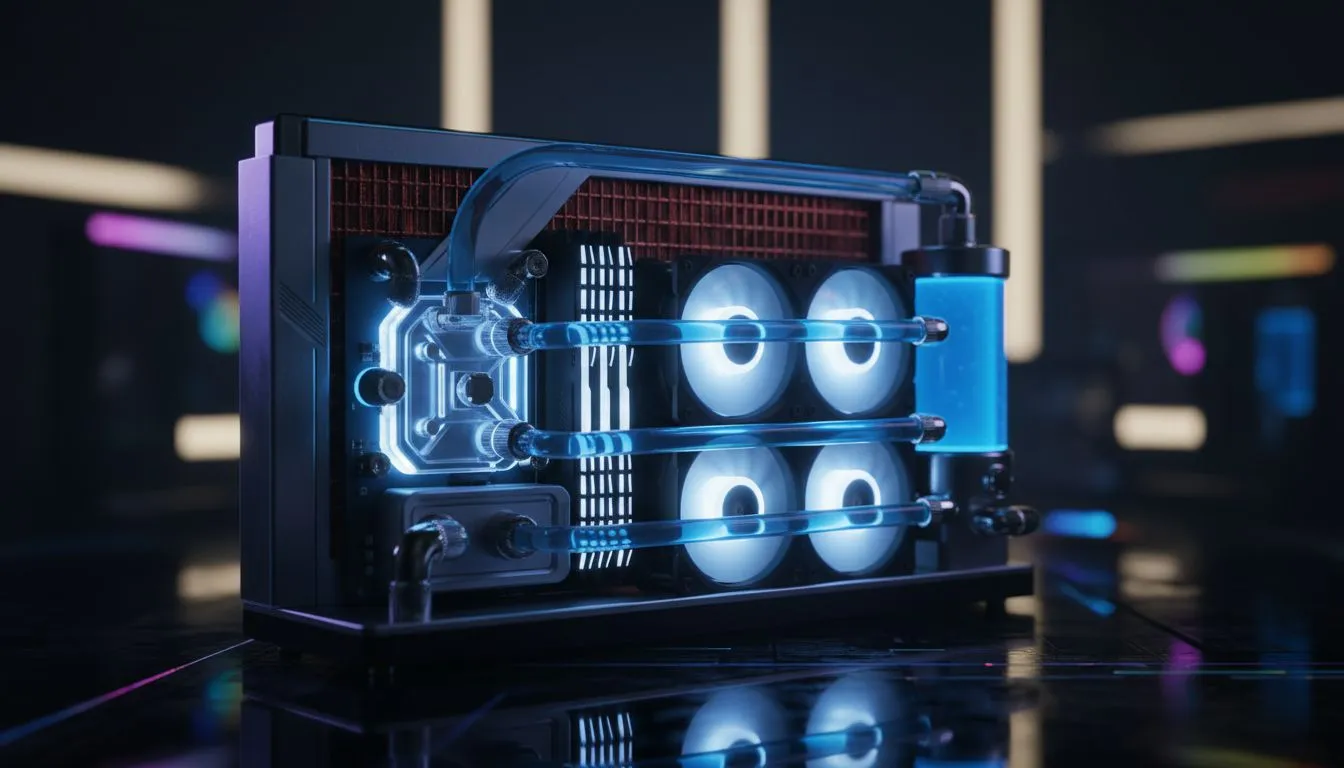
Is your PC sounding like a jet engine during a Johannesburg heatwave? When your CPU temperatures skyrocket, you face the ultimate PC builder’s dilemma: a straightforward All-in-One (AIO) cooler or a full-blown custom water cooling loop. It’s a massive decision for any serious rig. So, in the great custom loop vs AIO debate, is diving into custom water cooling worth it in 2025 for South African gamers, or is an AIO the smarter, cooler choice? Let's find out.
An All-in-One (AIO) liquid cooler is exactly what it sounds like—a sealed, pre-filled, and pre-assembled cooling unit. It consists of a pump/waterblock combo that sits on your CPU, two tubes, and a radiator with fans. You just mount it in your case, and you're good to go.
For most gamers and creators, an AIO offers a brilliant balance of performance, aesthetics, and simplicity. The sheer convenience is a major win. You get a massive performance leap over stock coolers without the complexity of a full custom setup. Today, today's best liquid cooler (AIO) options are incredibly reliable and efficient, making them the default choice for high-performance builds.
A custom water cooling loop is the pinnacle of PC thermal management. It’s a system you design and build yourself from individual components: a reservoir, a pump, water blocks for your CPU (and maybe GPU), fittings, tubing (soft or hard), and radiators.
This route offers unparalleled performance and jaw-dropping looks. Because you can add more radiator surface area and cool multiple components in the same loop, a custom setup can achieve lower temperatures and quieter operation under extreme loads than any AIO. The debate of custom loop vs AIO often ends here for overclockers and performance purists, but it comes at a significant cost... both in Rands and in build time.
buying any parts for a custom loop or even a large AIO, double-check your case specifications! Measure the clearance for radiators, especially if you're looking at beefy [popular 360mm radiator AIOs](https: www.evetech.co.za PC-Components cpu-coolers-84?attributes-coolingsize=360mm+Radiator). There’s nothing worse than getting all your shiny new parts only to find they don’t fit.
Let's talk numbers. A high-quality AIO from brands like Corsair might set you back between R2,000 and R5,000. For 99% of CPUs, even a heavily overclocked i9 or Ryzen 9, this is more than enough cooling power. In fact, their performance often rivals or beats many high-end air coolers, but with a much sleeker look.
A basic custom loop, on the other hand, starts at around R6,000 and can easily spiral past R15,000 for premium components, hard tubing, and GPU blocks. The performance uplift is real, but it’s a game of diminishing returns. You might see a 5-10°C improvement over a top-tier AIO under heavy, sustained loads. For competitive overclockers or those running silent, aesthetic-focused builds, that difference is everything. For everyone else, it’s a luxury.
So, is custom water cooling worth it? It depends entirely on you.
Go for an AIO if:
Go for a Custom Loop if:
Ultimately, the custom loop vs AIO question isn't about which is "better," but which is better for you. Both are fantastic ways of upgrading your CPU cooler to unlock your PC's true potential.
Ready to Beat the Heat? Whether you're after the plug-and-play power of an AIO or the elite performance of custom loop components, keeping your PC cool is key. Explore our massive range of CPU coolers and find the perfect solution to keep your rig running frosty.
Custom loops offer superior thermal performance and aesthetics but cost significantly more and require regular maintenance compared to a standard AIO liquid cooler.
Modern AIO coolers are highly reliable. While leaks are possible, they are rare in 2025 compared to early generations, making them a safe choice for most users.
You should drain and refill your custom water cooling system every 6 to 12 months to prevent algae growth, corrosion, and blockages in the blocks or pump.
Yes, a high-quality 360mm or 420mm AIO liquid cooler can effectively handle the heat output of top-tier CPUs like the Intel Core i9 or AMD Ryzen 9 series.
The biggest downsides are the high cost, complex installation process, and the ongoing risk of leaks due to user error compared to sealed AIO units.
Generally, yes. Custom loops allow for more radiators and fluid volume, letting fans run at lower speeds for the same cooling performance, which reduces noise.
Clean gaming keyboard quickly and safely in dusty or humid conditions with step-by-step tips, tool checklist, and maintenance routines to prevent corrosion and switch failure. 🧼💨
Read more
Best gaming keyboard features to prioritize when building a high-end setup: mechanical switches, low latency, hot-swap, RGB, macros, durability and ergonomics 🎮⌨️
Read more
Custom actuation point keyboard setup guide: learn to set per-key actuation on your analog gaming keyboard for faster, precise inputs and better control 🎮⚙️
Read more
Cable management for home entertainment helps you eliminate cable clutter quickly and safely. Learn routing, concealment, and product picks to tidy your setup fast 📺🔌
Read more
conference room setup Microsoft Teams Zoom: Upgrade AV, camera, mic, and network to ensure seamless meetings, clear audio, and crisp video 🎯🔧
Read more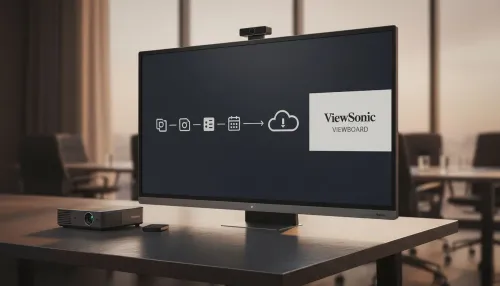
• Audit setup • Link accounts • Configure ViewBoard • Test workflows Integrate Google Workspace with ViewSonic ViewBoard to enable secure SSO, calendar and Drive sync, and smooth collaborative whiteboarding 🔗📋
Read more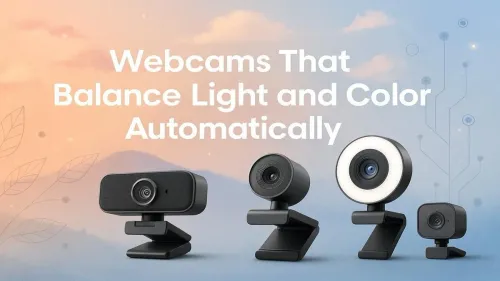
Discover webcams that automatically adjust light and color for crystal-clear video calls 🎥✨. Boost your streaming quality today!
Read more
Discover webcams that blend into your workflow 🎯 Capture moments while you work, stream, or create. Upgrade your setup with smart, multitasking tech!
Read more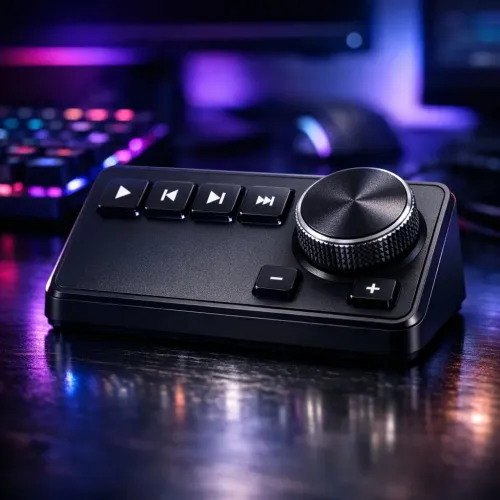
Dedicated media keys give streamers one-touch control to mute, switch scenes, clip highlights, and adjust audio — cutting task time and boosting consistency 🎛️⚡
Read more
PBT vs ABS keycaps: Clear, local guide for South African gamers—compare feel, sound, durability and where to buy. Find the best material for your budget and playstyle 🎮🇿🇦
Read more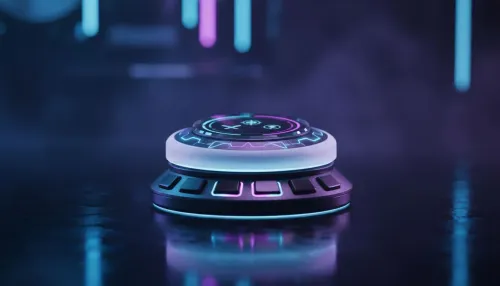
- Multi-Function Digital Dial: define benefits - Show gamer setups and macros - Offer buying and setup tips Multi-Function Digital Dial puts programmable control at your fingertips for faster actions and smoother streaming. 🎮⚙️
Read more
- Explain benefits; - Show the science; - Compare options; - Recommend picks. Magnetic wrist rest for gaming cuts wrist strain and boosts comfort during long sessions 🕹️✨
Read more