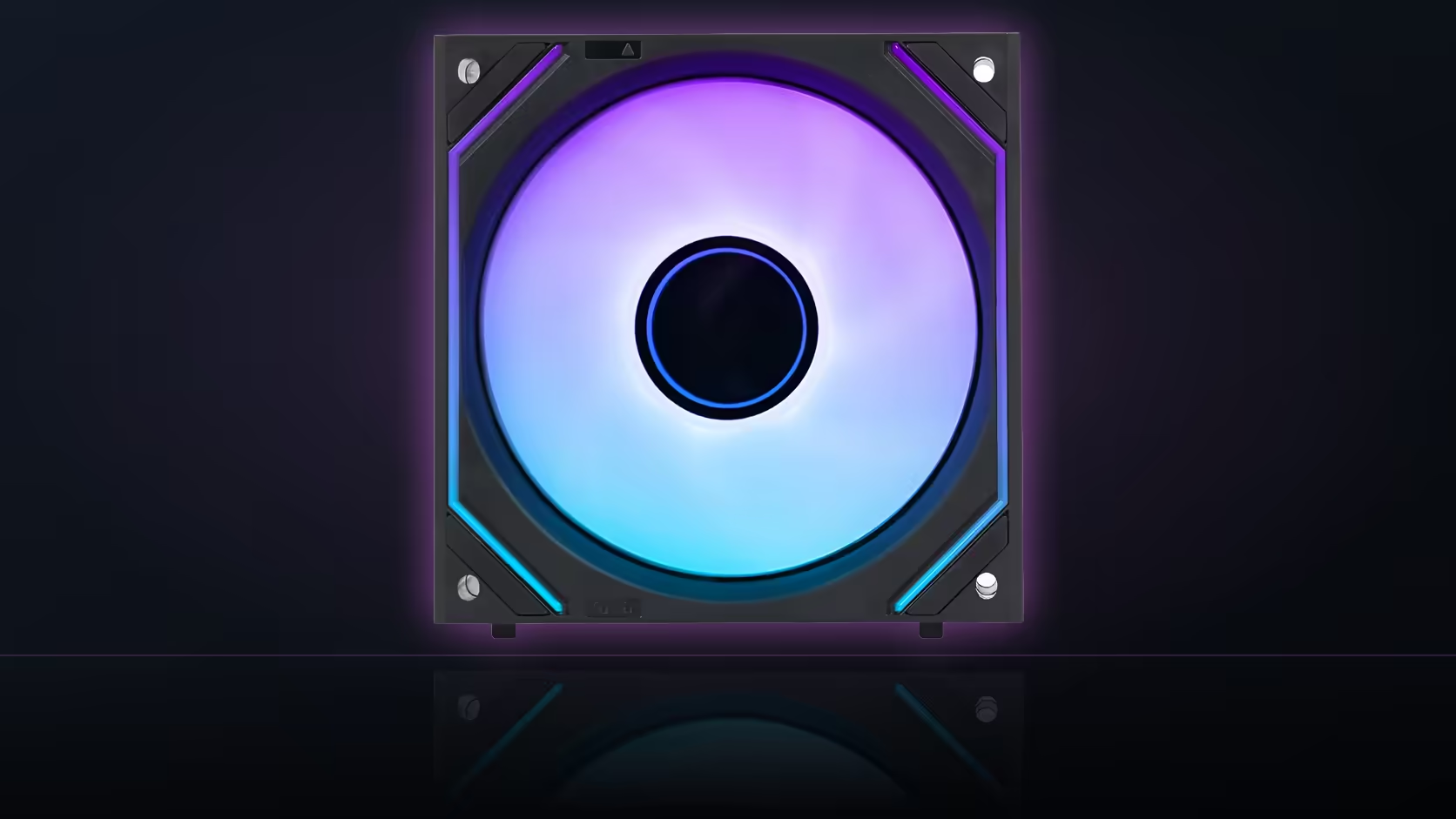
A finished PC looks one way to the naked eye and often photographs completely differently, and nowhere is that gap wider than with bright ARGB lighting pointed straight at a lens. Before filming a case you are proud of, it is worth running a short test, because an infinity-mirror row that looks stunning by eye can render on camera as either blown-out flare or a flat, lifeless ring.
Quick Answer
Infinity-mirror fans like AsiaHorse's Dawn Pro photograph very differently from how they appear to the eye, since a camera's dynamic range is narrower than human vision, so it is worth checking before you start filming a finished build. The three-pack is priced at R699 VAT-inclusive, and a striking lit row seen in person can easily render as harsh flare or as a flat glowing circle once a camera sensor is involved, depending on exposure and lighting brightness.
📷 Why the effect changes on camera
Human eyes adjust dynamically across a huge range of brightness in a single glance, compensating for bright highlights and dark shadows almost simultaneously. A camera sensor cannot do that in one exposure. Point it at a bright infinity-mirror ring inside an otherwise dark case, and the highlights can blow out to a featureless white while the rest of the interior drops into shadow, losing exactly the depth that made the effect worth photographing in the first place.
🔆 What generally helps
Lowering the lighting brightness a notch before filming, and adding a little ambient light to the room itself, tends to bring the two extremes closer together and gives the camera a narrower range to work with. It is a small adjustment that often makes a bigger visible difference on screen than in person.
The shell colour matters more than expected
A black fan shell creates strong contrast against its own bright lighting, which is exactly the situation a camera sensor struggles with most. White shells diffuse more of that light, softening the contrast and generally photographing more evenly without extra adjustment. If a build is being filmed regularly for content, that is worth weighing against the visual preference for black in person.
🌑 Should the room be completely dark?
A fully dark room maximises the visual contrast between the lit fans and everything around them, which sounds appealing but is usually harder for a camera to handle cleanly, not easier. Some ambient light in the room, even a dim lamp out of frame, gives the sensor something in between pure black and the fan's full brightness to work with.
🎥 Video versus stills
Video generally has less latitude to recover blown highlights after the fact compared with a still photo shot in a format that allows more editing flexibility. Getting the exposure roughly right during filming itself matters more here than it does for a photo you can adjust afterward. The same lighting fans are covered in Evetech's case fan range, with mounting and cable-dressing pieces in case accessories for a shoot-ready interior.
📐 Viewing angle applies to cameras too
The same angle sensitivity that governs how the infinity-mirror effect looks to your eye applies just as strongly to a camera lens. Position the camera facing the row directly, the way you would position yourself to appreciate the effect in person, rather than filming at an angle where the depth illusion mostly disappears.
Dimming for a shoot
Board lighting software controls the fans directly, so whatever brightness options that application offers are what you have available for adjusting the effect before a shoot, without needing separate hardware.
Frequently Asked Questions
Why does the mirror effect change so much on camera?
A camera has a narrower dynamic range than the human eye, so bright reflections can blow out while the surrounding interior falls into shadow in the same shot.
What generally helps balance the shot?
Lowering the lighting brightness slightly and adding a bit of ambient light to the room, which brings the two extremes closer together for the sensor.
Does the fan's shell colour affect how it films?
Yes. Black shells give strong contrast that cameras handle poorly, while white shells diffuse the light and tend to photograph more evenly.
Should the room be completely dark for filming?
A fully dark room maximises contrast, which is usually harder for a camera to manage well rather than easier, so some ambient light generally helps.
Is video different from photographing stills?
Video has less room to recover blown-out highlights afterward, so getting exposure right during the actual filming matters more than it does for stills.
Does viewing angle matter for a camera the same way it does for the eye?
Strongly. The camera needs to face the row directly for the depth effect to register, exactly as your own eye would need to.
Can the fans be dimmed specifically for a shoot?
Board lighting software controls the fans, so whatever brightness settings that application offers apply directly to a planned shoot.
Planning to film or photograph a finished ARGB build?
Browse Evetech's case fan category to plan a lighting setup that holds up on camera.