You’re in a 1v3 clutch. The bomb is ticking. You line up the final headshot... and your screen goes black. Your PC just died. Nope. It could be the silent saboteur of many a gaming rig: a failing Power Supply Unit (PSU). Performing a gaming PC PSU test isn't just for hardcore builders; it’s a crucial step to ensure your machine’s stability when it matters most. Let's get your rig running reliably. ⚡
Why a Gaming PC PSU Test is Non-Negotiable
Think of your PSU as the heart of your PC. It takes the raw 230V power from your wall and converts it into the stable, low-voltage currents that every single component—from your CPU to your RGB strips—needs to function. When this heart starts to fail, the symptoms can be confusing. You might experience:
- Random shutdowns or reboots, especially under load.
- The dreaded Blue Screen of Death (BSOD).
- System instability or freezing.
- Components not being detected.
A weak or faulty PSU simply can't handle the sudden power demands of a high-end graphics card, especially when you're pushing frames in demanding titles. The massive, detailed world in a top-tier Cyberpunk 2077 gaming PC can cause power spikes that a budget PSU just can't handle, leading to a crash right when you're about to complete a mission.
The Software Stress Test: Pushing Your PSU to its Limits
The safest and most effective way to check your PSU's stability at home is with a software-based stress test. This method simulates a maximum-load scenario, forcing your CPU and GPU to draw as much power as possible, revealing any weaknesses in your power delivery.
Here’s a simple way to conduct this PSU reliability test:
- Download a Reputable Tool: Software like OCCT or AIDA64 Extreme are excellent choices. OCCT has a dedicated "Power" test that is perfect for this.
- Prepare Your PC: Close all other applications and background processes. You want the stress test to be the only thing demanding resources.
- Run the Test: Start the power supply test. This will max out both your CPU and GPU simultaneously.
- Monitor Carefully: Let the test run for at least 30 minutes. Watch your system for any signs of instability: black screens, freezing, or an instant shutdown.
If your PC survives this torture test without a single hiccup, your PSU is likely in good shape. This kind of stability is essential whether you're building intricate structures on a Minecraft gaming PC or battling it out in fast-paced shooters.
Understanding 80 Plus Ratings 💡
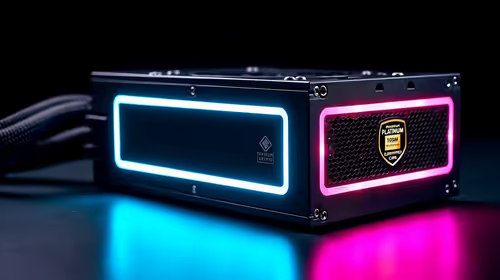
When you see a PSU with a rating like "80 Plus Bronze" or "Gold," it's a certification for its energy efficiency. A higher rating (e.g., Gold, Platinum) means the PSU wastes less energy as heat and delivers power more efficiently. This not only saves you a few Rands on your electricity bill but often indicates higher-quality internal components, leading to better reliability and longevity.
The "Paperclip Test": A Basic Functionality Check
⚠️ Safety Warning: This test involves working directly with your PC's power supply. Always ensure the PSU is unplugged from the wall before you begin. Proceed with caution.
The paperclip test is a classic builder’s trick to see if a PSU will turn on at all when not connected to a motherboard. It does not test for stability under load, only basic power-on functionality.
- Unplug Everything: Disconnect the PSU from the wall and from all your PC components.
- Locate the 24-pin Connector: This is the largest connector that plugs into your motherboard.
- Create a Jumper: Bend a standard paperclip into a 'U' shape.
- Bridge the Pins: Insert one end of the paperclip into the pin for the green wire (PS_ON) and the other end into any of the adjacent black wire pins (Ground).
- Test It: With the paperclip securely in place, plug the PSU back into the wall and flick the power switch on the back.
If the PSU fan starts spinning, it means the unit is capable of turning on. If it doesn't, the PSU is likely dead. This is a quick diagnostic, but passing it doesn't mean it can reliably power a high-performance Counter-Strike 2 gaming PC where every frame counts. Even competitive rigs built for games like Overwatch 2 need more than just a "power on" guarantee.
Is Your PSU the Problem? Key Symptoms to Watch For
Sometimes, the issue isn't a complete failure but a slow decline. Your PSU might be the culprit if you notice your PC struggling during intense moments, like a massive firefight on a Call of Duty: Warzone 2.0 gaming PC or loading new, complex areas in the vast open world of a GTA V gaming PC.
The same instability can plague you in battle royales, where a sudden crash on a PUBG gaming PC means an instant trip back to the lobby. Even at 1080p, the consistent high framerates needed for a smooth experience on a Fortnite gaming PC demand stable, clean power. Ultimately, a reliable power supply is the foundation for any great gaming experience, even for something as visually stunning and demanding as a modern Microsoft Flight Simulator gaming PC. Don't let a failing PSU ground your adventures.
Ready to Power Up Your Gameplay? A faulty PSU can ruin your gaming experience and risk your entire rig. Don't leave it to chance. Explore our wide range of high-quality PSUs and expertly built PCs and give your machine the reliable power it deserves.