


Clean Gaming Keyboard: Guide for Dusty & Humid Conditions
Clean gaming keyboard quickly and safely in dusty or humid conditions with step-by-step tips, tool checklist, and maintenance routines to prevent corrosion and switch failure. 🧼💨
Read moreHome server noise reduction tips to cut fan whine and drop operating temps. Learn airflow fixes, fan curve tuning, vibration damping, and passive cooling for a quieter, cooler home server. 🔧❄️

Building a home server is the ultimate South African power move for local media and backups. But when that "silent" rig starts sounding like a Boeing taking off from OR Tambo, the dream dies. Achieving a home server noise reduction: quiet, cooler setup isn't just about peace of mind... it's about system longevity. Let’s silence the beast without sacrificing performance. 🔧
Most noise comes from small fans spinning at high speeds to fight heat. To lower the decibels, you need to improve airflow efficiency. Start by clearing cable clutter inside the chassis. This allows air to move freely... meaning your fans don't have to work as hard. Using high-quality PWM fans allows you to set custom curves in the BIOS. You can keep things whisper-quiet during low-load tasks like file syncing.
If your server is tucked away in a cupboard, ensure there is adequate ventilation. Heat build-up is the primary enemy of silence. When the ambient temperature rises, your cooling system compensates with more noise. A cooler server is a quieter server.
In South Africa, dust is a constant battle for tech. Clean your server's dust filters every month to prevent airflow restriction. When filters are clogged, fans spin faster and louder to pull air through the grime. A five-minute clean can drop your noise levels significantly and keep your components running within their thermal limits.
Mechanical hard drives are notorious for vibration and clicking. If your budget allows, moving your operating system and active apps to internal solid state drives is the single best way to kill noise. SSDs have no moving parts... they are completely silent.
For those managing massive media libraries, consider offloading some data to a reliable external SSD to keep your primary chassis less cluttered. If you need portability for your backups, choosing dedicated external form factor drives ensures you have high-speed access without the constant hum of a spinning platter.
Heat management is easier when you use efficient hardware. Brands like ADATA SSDs offer excellent thermal performance for home lab enthusiasts. When your drives run cool, your case fans can stay at a lower RPM.
For high-end home servers that handle 4K transcoding or virtualization, you might be tempted by the blazing fast Gen 5 NVMe options. These drives are incredible but generate significant heat. Ensure they have dedicated heatsinks to prevent thermal throttling.
If you prefer a more traditional approach, Western Digital storage solutions provide a great balance of reliability and efficiency. By choosing the right components, your home server noise reduction: quiet, cooler setup becomes a reality rather than a weekend project that never ends. ✨
Ready to Silence Your Setup? A quiet home server starts with the right components. Whether you need silent storage or high-performance cooling, we have the gear to help you build the perfect rig. Explore our massive range of PC components and start your quiet, cooler journey today.
Lower fan RPMs with a fan curve, replace noisy fans with quiet home server fans, and improve airflow to reduce strain and noise.
Yes. Replacing HDDs with SSDs cuts mechanical noise and reduces heat, helping overall home server noise reduction and cooling.
Use larger heatsinks, improve case airflow, and pick low-power components for effective passive cooling for home server setups.
Soundproofing server rack panels and adding acoustic foam reduces measurable noise but monitor temperatures to avoid trapping heat.
Vibration dampening mounts stop chassis and drive rattles, lowering perceived noise without changing airflow or temperatures.
A low-noise power supply for server runs cooler and quieter; choose efficient units to cut both heat output and fan activity.
Yes, tuning fan speed optimization home server curves balances cooling and noise—monitor temps to keep components within safe ranges.
Clean gaming keyboard quickly and safely in dusty or humid conditions with step-by-step tips, tool checklist, and maintenance routines to prevent corrosion and switch failure. 🧼💨
Read more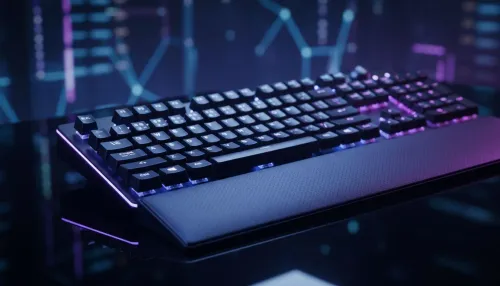
Best gaming keyboard features to prioritize when building a high-end setup: mechanical switches, low latency, hot-swap, RGB, macros, durability and ergonomics 🎮⌨️
Read more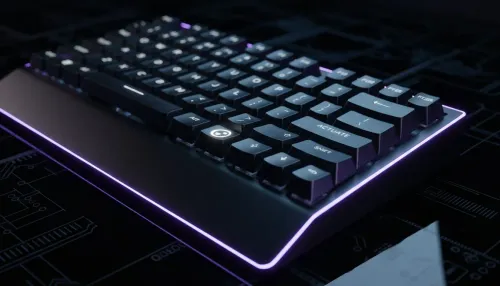
Custom actuation point keyboard setup guide: learn to set per-key actuation on your analog gaming keyboard for faster, precise inputs and better control 🎮⚙️
Read more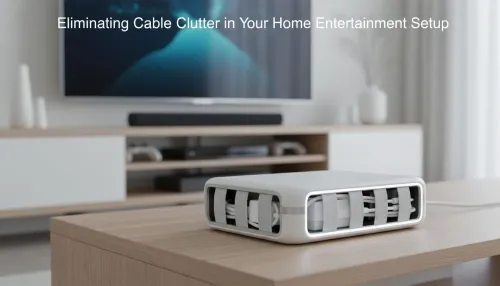
Cable management for home entertainment helps you eliminate cable clutter quickly and safely. Learn routing, concealment, and product picks to tidy your setup fast 📺🔌
Read more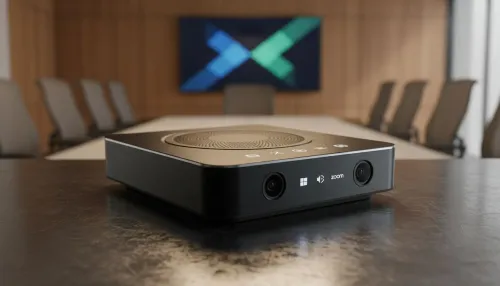
conference room setup Microsoft Teams Zoom: Upgrade AV, camera, mic, and network to ensure seamless meetings, clear audio, and crisp video 🎯🔧
Read more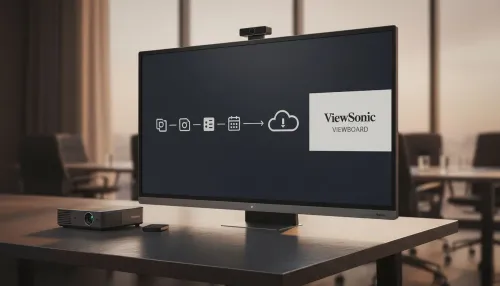
• Audit setup • Link accounts • Configure ViewBoard • Test workflows Integrate Google Workspace with ViewSonic ViewBoard to enable secure SSO, calendar and Drive sync, and smooth collaborative whiteboarding 🔗📋
Read more
Discover webcams that automatically adjust light and color for crystal-clear video calls 🎥✨. Boost your streaming quality today!

Discover webcams that blend into your workflow 🎯 Capture moments while you work, stream, or create. Upgrade your setup with smart, multitasking tech!
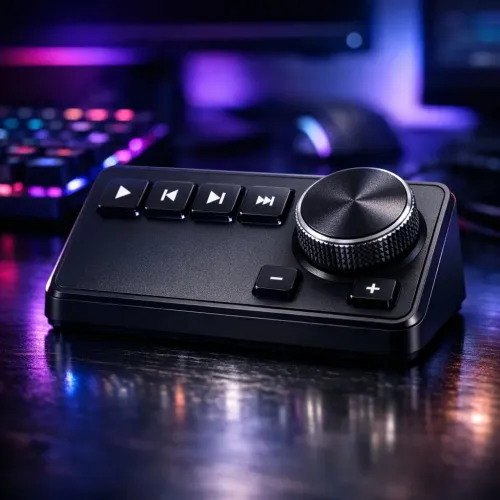
Dedicated media keys give streamers one-touch control to mute, switch scenes, clip highlights, and adjust audio — cutting task time and boosting consistency 🎛️⚡
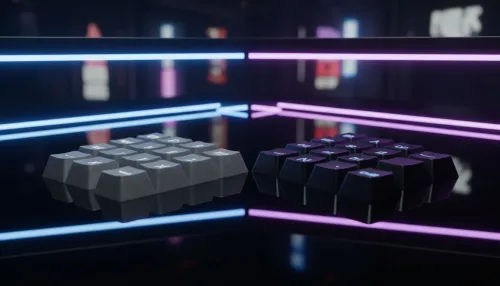
PBT vs ABS keycaps: Clear, local guide for South African gamers—compare feel, sound, durability and where to buy. Find the best material for your budget and playstyle 🎮🇿🇦

- Multi-Function Digital Dial: define benefits - Show gamer setups and macros - Offer buying and setup tips Multi-Function Digital Dial puts programmable control at your fingertips for faster actions and smoother streaming. 🎮⚙️
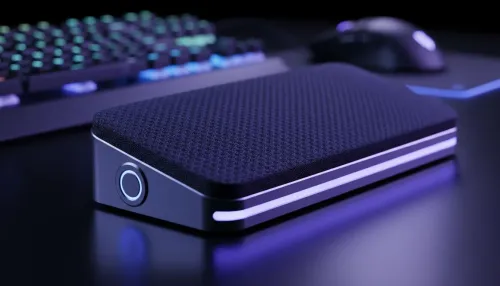
- Explain benefits; - Show the science; - Compare options; - Recommend picks. Magnetic wrist rest for gaming cuts wrist strain and boosts comfort during long sessions 🕹️✨