

Clean Gaming Keyboard: Guide for Dusty & Humid Conditions
Clean gaming keyboard quickly and safely in dusty or humid conditions with step-by-step tips, tool checklist, and maintenance routines to prevent corrosion and switch failure. 🧼💨
Read moreWorried about a CPU bottleneck in South Africa for your new build? 🖥️ Learn how to perfectly match your CPU and GPU for maximum gaming performance and value. Our guide helps you understand, identify, and prevent bottlenecks, ensuring every rand you spend translates to higher FPS. 🚀
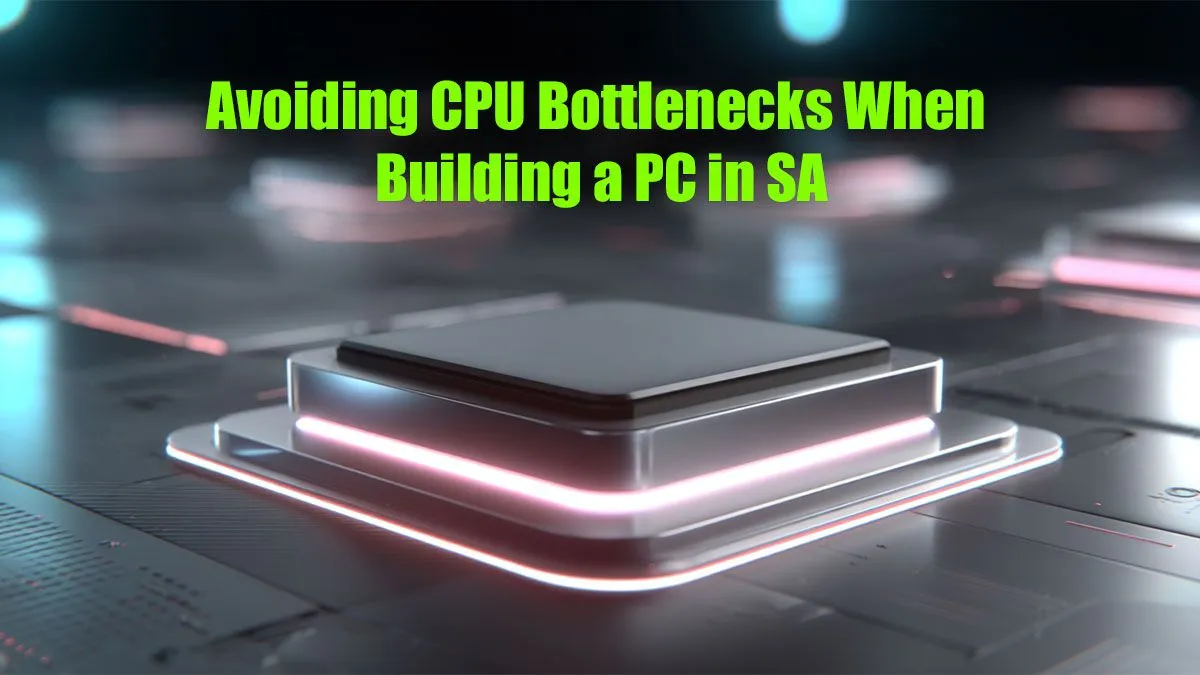
Stuttering in your favourite game even with a beastly new graphics card? That frustrating lag might not be your GPU’s fault. Welcome to the world of the CPU bottleneck, a performance gremlin that plagues many South African PC builds. It happens when your processor can't keep up, holding your entire system back. But don't stress… we're here to show you how to diagnose the issue and finally build a perfectly balanced PC. 🚀
Think of your PC components as a team preparing a meal. Your GPU is a massive, high-tech oven, ready to cook anything instantly. Your CPU is the chef, responsible for chopping veggies and prepping the ingredients. If the chef is too slow, the fancy oven just sits there, waiting. That’s a CPU bottleneck. Your powerful graphics card is starved for data because the central processing unit (CPU) can't process game logic, physics, and instructions fast enough to feed it.
The result? Stuttering, inconsistent frame rates, and the feeling that your expensive hardware isn't performing as it should. This is a common problem for gamers in South Africa trying to get the most bang for their buck.
Before you start swapping parts, you need to confirm if a bottleneck is actually your problem. Guessing can be an expensive exercise. Here’s a simple way to check:
Use MSI Afterburner's on-screen display to see individual CPU core usage. Many older games rely heavily on just one or two cores. If you see one core maxed out at 100% while others are idle, that can still cause a significant performance bottleneck, even if your overall CPU usage percentage looks low.
Building a balanced PC from the start is the best way to avoid a CPU bottleneck in South Africa. It’s not about buying the most expensive parts, but the right parts that work together in harmony.
This is the most critical relationship in a gaming PC. You need a processor that is strong enough to handle your graphics card's potential.
Don't just look at core counts. For gaming, single-core performance (clock speed and architecture) is often just as important. Both Intel and AMD offer incredible options for every budget. The latest AMD Ryzen CPUs, for example, offer excellent gaming performance and efficiency, making them a popular choice for building a balanced system. Researching benchmarks for the specific games you play is always the smartest move.
A balanced PC is a happy PC. By understanding how your components interact, you can avoid the dreaded CPU bottleneck and ensure every Rand you spend on your rig translates directly into smooth, glorious frame rates. ✨
Ready to Build a Balanced Beast? A CPU bottleneck can ruin your gaming experience, but the fix is within reach. Building a balanced PC is the key to unlocking the true potential of your components. Explore our massive range of CPUs and find the perfect processor to power up your rig today.
A CPU bottleneck occurs when your processor can't keep up with your graphics card. This limits the GPU's potential, resulting in lower frame rates and stuttering in games.
Use monitoring software like MSI Afterburner while gaming. If your CPU usage is consistently at 90-100% while your GPU usage is significantly lower, you have a CPU bottleneck.
Yes. Higher resolutions like 1440p or 4K put more strain on the GPU, which can help balance the workload and reduce a CPU bottleneck that is more apparent at 1080p.
For a balanced build, pair components of a similar tier. For example, a mid-range Intel Core i5 or AMD Ryzen 5 CPU works well with a GPU like an NVIDIA RTX 4060 or AMD RX 7600.
Yes, almost every system has a bottleneck somewhere. The goal is to minimize it for your primary use case, ensuring one component isn't severely limiting a much more expensive one.
You can try a few things: close unnecessary background programs, overclock your CPU if possible, or increase in-game graphics settings to shift more load onto your GPU.
Clean gaming keyboard quickly and safely in dusty or humid conditions with step-by-step tips, tool checklist, and maintenance routines to prevent corrosion and switch failure. 🧼💨
Read more
Best gaming keyboard features to prioritize when building a high-end setup: mechanical switches, low latency, hot-swap, RGB, macros, durability and ergonomics 🎮⌨️
Read more
Custom actuation point keyboard setup guide: learn to set per-key actuation on your analog gaming keyboard for faster, precise inputs and better control 🎮⚙️
Read more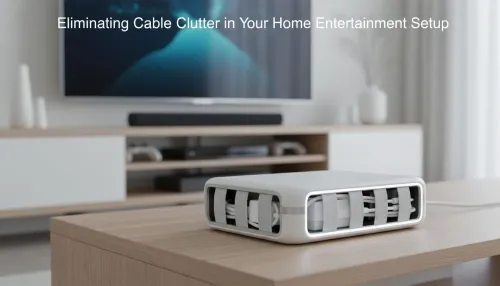
Cable management for home entertainment helps you eliminate cable clutter quickly and safely. Learn routing, concealment, and product picks to tidy your setup fast 📺🔌
Read more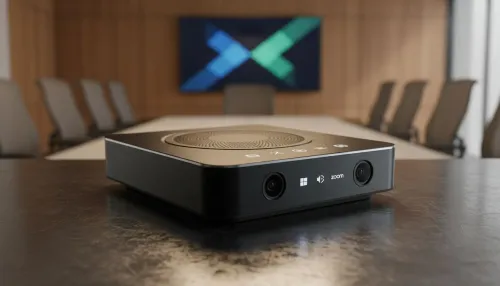
conference room setup Microsoft Teams Zoom: Upgrade AV, camera, mic, and network to ensure seamless meetings, clear audio, and crisp video 🎯🔧
Read more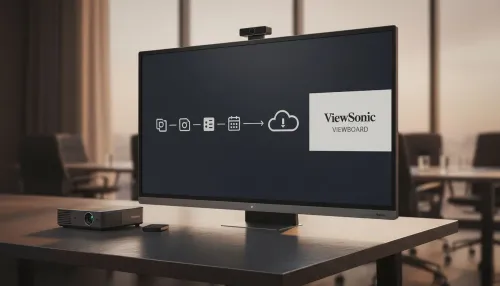
• Audit setup • Link accounts • Configure ViewBoard • Test workflows Integrate Google Workspace with ViewSonic ViewBoard to enable secure SSO, calendar and Drive sync, and smooth collaborative whiteboarding 🔗📋
Read more
Discover webcams that automatically adjust light and color for crystal-clear video calls 🎥✨. Boost your streaming quality today!

Discover webcams that blend into your workflow 🎯 Capture moments while you work, stream, or create. Upgrade your setup with smart, multitasking tech!
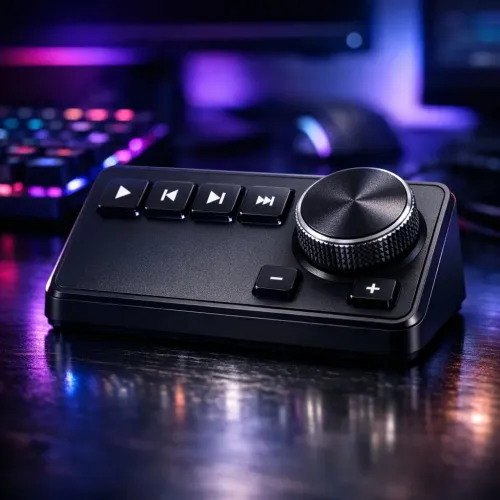
Dedicated media keys give streamers one-touch control to mute, switch scenes, clip highlights, and adjust audio — cutting task time and boosting consistency 🎛️⚡
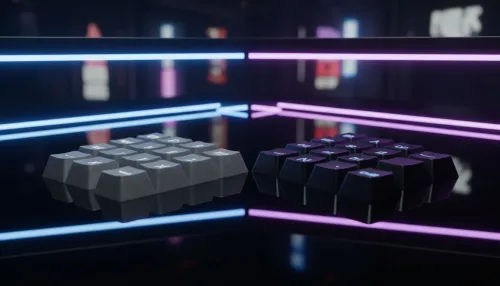
PBT vs ABS keycaps: Clear, local guide for South African gamers—compare feel, sound, durability and where to buy. Find the best material for your budget and playstyle 🎮🇿🇦

- Multi-Function Digital Dial: define benefits - Show gamer setups and macros - Offer buying and setup tips Multi-Function Digital Dial puts programmable control at your fingertips for faster actions and smoother streaming. 🎮⚙️
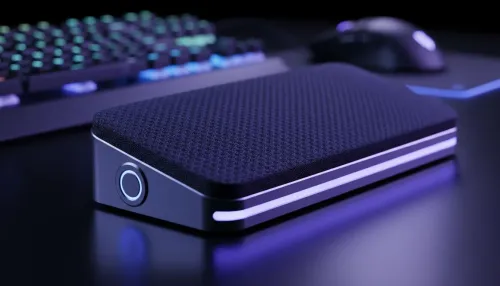
- Explain benefits; - Show the science; - Compare options; - Recommend picks. Magnetic wrist rest for gaming cuts wrist strain and boosts comfort during long sessions 🕹️✨