The difference between a tourist clip and footage that looks like it belongs in a travel film is rarely the drone, it is how you fly and grade it. To capture cinematic travel and landscape video with a drone, a sub-250g model like the DJI Mini 5 Pro records 4K at up to 100fps and folds down to slip into a day pack, which makes it the lightest serious cinema option for anyone shooting on the move across South Africa.
Quick Answer
A sub-250g drone such as the DJI Mini 5 Pro shoots 4K at up to 100fps and packs into a day bag, giving you slow-motion reveals and crisp landscapes without lugging heavy kit. The cinematic look comes from slow, deliberate moves, ND filters to control shutter speed, and shooting in a flat profile to grade later. SA recreational flyers must stay below 120m and well clear of airports.
Step 1: Know the SACAA Rules Before You Launch
Flying legally comes first, because the best location is worthless if you cannot fly there. South African recreational drone rules from the SACAA keep you below 120m above ground level, with the drone always in your direct line of sight, and clear of airports, helipads and controlled airspace, generally with a 10km buffer around airfields. You must not fly over people, public roads or private property without permission.
National parks and many nature reserves prohibit drones outright, so check each site before you pack. Scouting the rules per location saves you from arriving at a stunning viewpoint only to find flying is banned. Treat this as part of trip planning, not an afterthought, and you avoid fines and confiscation.
Step 2: Pick the Right Drone for Travel
Weight is the deciding factor for a travelling filmmaker. A sub-250g drone like the Mini 5 Pro sits in the lightest regulatory class, folds to roughly the size of a paperback, and disappears into a day pack alongside your camera and water. That portability is what gets the drone on the trip instead of left at home.
Do not mistake light for limited. This class now records 4K at up to 100fps for smooth slow motion, carries a gimbal-stabilised sensor for clean footage, and offers obstacle sensing and long range. For the kind of explainer gear and add-ons that round out a travel kit, check out the smart home and gadgets range at Evetech as you put your travel drone kit together.
Step 3: Fit ND Filters for the Cinematic Shutter
This single accessory separates amateur drone footage from cinematic footage. For motion that looks natural rather than juddery, your shutter speed should be roughly double your frame rate, the 180-degree rule, so at 25fps you want about 1/50s. In bright South African daylight that slow shutter overexposes badly unless you cut the light reaching the sensor.
Neutral density filters do exactly that, darkening the image so you can keep the slow shutter without blowing out the sky. A set covering ND8, ND16 and ND32 handles most conditions from overcast coast to harsh midday Karoo light. Without them your footage either looks unnaturally sharp and stuttery or is forced to a fast shutter that strips the cinematic motion blur.
Step 4: Fly Slowly and Plan Your Moves
Cinematic drone work is about restraint. Set the drone to its smoothest, slowest flight mode, often called Cine or a similar tripod mode, which tames the controls so your inputs translate into gentle, gliding movement. Jerky sticks ruin a shot faster than anything else.
The Core Moves to Master
A few reliable shots carry most travel films. The reveal lifts up from behind a ridge or wall to expose a vista. The orbit circles a subject, a lighthouse, a lone tree, a person on a dune, keeping it centred. The fly-through pushes forward along a valley or coastline, and the top-down look straight down turns beaches and rivers into abstract patterns. Plan each move before you launch, fly it slowly, and capture more than you think you need.
Step 5: Shoot Flat and Grade Later
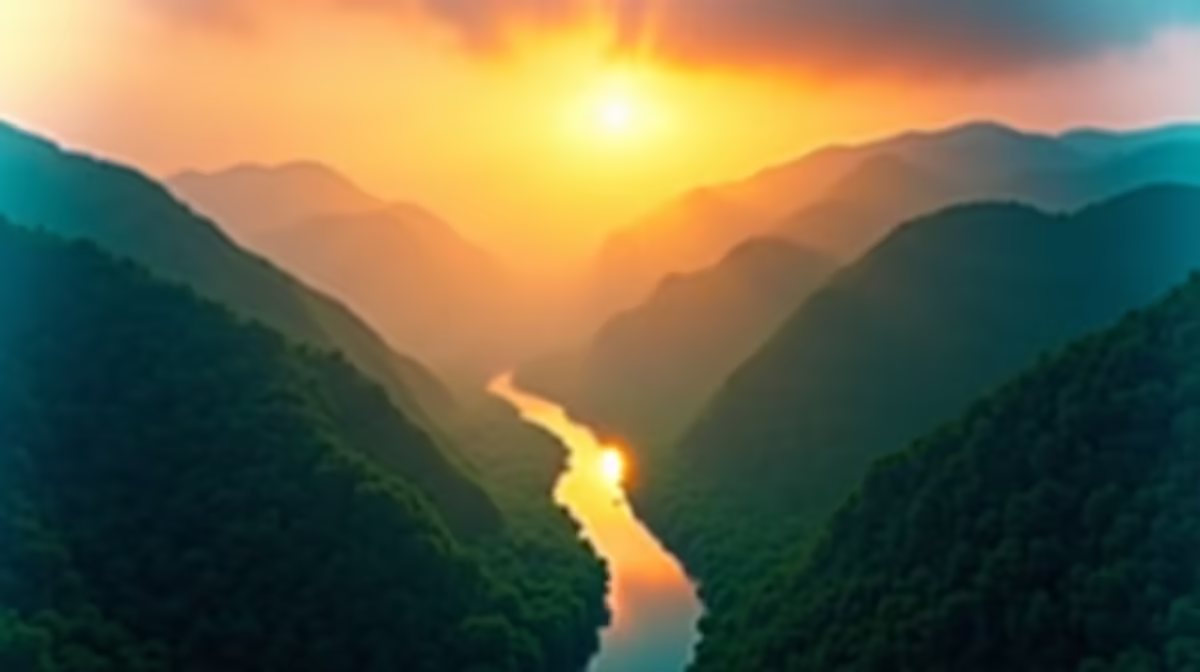
For the most flexibility in the edit, record in a flat or D-Log style colour profile if your drone supports it. Flat footage looks dull and grey straight off the drone, which alarms first-timers, but it preserves detail in both bright skies and dark shadows that a punchy default profile would clip away.
In editing you then grade that flat footage, lifting contrast and colour to taste, with far more latitude to recover a blown sky or a crushed shadow. Pair this with shooting in the golden hours after sunrise and before sunset, when low warm light gives landscapes depth and texture that harsh midday sun flattens. The drone fits naturally into a broader kit of travel tech, and the best-selling accessories at Evetech stock the cards, batteries and storage that keep a shoot running.
Frequently Asked Questions
Do I need a licence to fly a drone for travel videos in South Africa?
For private recreational flying within the SACAA rules, a formal pilot licence is not required, but you must follow the limits: under 120m, line of sight, clear of airports and not over people or roads. Commercial work needs proper SACAA certification.
Why are ND filters important for drone video?
They cut the light reaching the sensor so you can keep a slow shutter, around double your frame rate, in bright daylight. That preserves natural motion blur and the cinematic look instead of forcing a fast, stuttery shutter.
What frame rate should I use for cinematic footage?
Shoot 24 or 25fps for a filmic base look, and switch to a higher rate like 50 or 100fps when you want smooth slow motion of fast scenes such as waves or vehicles. Higher frame rates also let you stabilise a touch more in the edit.
Is a sub-250g drone good enough for serious work?
Yes. Modern sub-250g drones record 4K at high frame rates with gimbal stabilisation and obstacle sensing, which is plenty for travel and landscape films. Their light weight also keeps them in the simplest regulatory class, ideal for moving between locations.
When is the best time of day to fly for landscapes?
The golden hours just after sunrise and before sunset, when low, warm light gives landscapes depth, long shadows and texture. Midday sun is harsh and flat, so reserve it for top-down abstract shots where shadow detail matters less.
Planning a travel film? Make sure your drone fits in a day pack and shoots high frame-rate 4K, then round out your kit with the cards, batteries and gadgets in the best-selling accessories at Evetech so you never miss a golden-hour shot.