


Clean Gaming Keyboard: Guide for Dusty & Humid Conditions
Clean gaming keyboard quickly and safely in dusty or humid conditions with step-by-step tips, tool checklist, and maintenance routines to prevent corrosion and switch failure. 🧼💨
Read moreLearn how to clean PC dust like a pro and boost your gaming performance! Our guide covers everything from essential tools and techniques to advanced dust prevention strategies like positive pressure setups. Keep your rig cool, quiet, and running at peak efficiency. 🌬️✨

Is your gaming PC starting to sound more like a jet engine than a high-performance machine? Before you blame lag or dodgy internet, look at your fans. Dust is the silent killer of performance in South Africa, clogging heatsinks and suffocating components until they overheat and throttle. But don't stress. This pro guide will show you exactly how to clean PC dust, restoring your rig's quiet power and keeping your frames high. 🔧
Think of dust as a thick winter blanket for your PC's sensitive components. It traps heat, forcing your fans to work overtime and causing that annoying whine. Over time, this constant heat stress can shorten the lifespan of your CPU, GPU, and other parts. For gamers, this means one thing: performance drops. Your slick machine that once handled everything you threw at it starts to stutter during intense firefights.
Regularly cleaning your PC isn't just about aesthetics; it's crucial maintenance that protects your investment, especially if you're running one of the latest budget gaming PCs where every bit of performance counts.
Before you dive in, let's get your gear sorted. Using the wrong tools can cause more harm than good (hello, static electricity!). Here’s what you’ll need for a safe and effective PC dust cleaning session:
What to AVOID: A standard vacuum cleaner. The plastic nozzle can generate a surprising amount of static electricity, which can instantly fry your motherboard or RAM. Stick to compressed air.
Ready to get hands-on? Follow these steps for a thorough clean. The whole process should take about 20-30 minutes.
Safety first! Completely shut down your PC. Switch off the power supply unit (PSU) at the back and unplug it from the wall. Move your case to a well-ventilated area, like a garage or balcony, because things are about to get dusty. 💨
Remove the side panel of your case (usually the one on the left). Take a moment to see where the dust has settled the most. The main culprits are usually:
This initial look helps you focus your efforts, whether you're maintaining one of our popular PCs under R20k or a custom-built beast.
Want to reduce future dust buildup? Configure your case fans so you have more intake fans than exhaust fans. This creates 'positive pressure' inside the case, meaning air is pushed out through all the unfiltered gaps and cracks, actively preventing dust from getting sucked in. It's a simple trick that makes cleaning much easier.
Grab your can of compressed air. Important: Use it in short, controlled bursts and keep the can upright to prevent the liquid propellant from spraying out.
Once the heavy lifting is done, use your soft brush and microfibre cloth to wipe away any remaining dust from flat surfaces like the PSU shroud or the bottom of the case. Use a cotton swab dipped in a little isopropyl alcohol to clean individual fan blades for that brand-new look.
A clean PC is a happy PC. For a high-end system, especially one of the powerful PCs above R20k, regular maintenance is key to unlocking its full potential for years to come. We recommend a light dusting every 3-6 months and a deep clean like this once a year.
If you've done a full clean and your temperatures are still high, it might be a sign of a deeper issue. Sometimes the best solution is a fresh start with one of the best gaming PC deals, built with modern airflow and cooling from the ground up. 🚀
Ready for Peak Performance? A clean PC is a fast PC. But if your hardware is showing its age, no amount of cleaning will bring back those glory-day frame rates. Browse our massive range of custom-built PCs and build a rig that's powerful, cool, and ready for anything.
For most gaming PCs, a light cleaning every 3-6 months is ideal. If you have pets or live in a dusty environment, consider a quick check and clean every 1-2 months.
Use an electric air duster or a soft-bristled brush combined with a data-vac. This avoids the moisture and propellant risks associated with canned air.
Absolutely. Dust buildup insulates components, causing them to overheat and throttle performance. In severe cases, it can lead to short circuits and permanent hardware failure.
A deep clean involves disassembling major components like the GPU and CPU cooler. Carefully clean heatsinks, fans, and case filters using brushes and an air duster.
Yes, creating a positive pressure setup (more intake fans than exhaust) is a great strategy for preventing dust buildup in your PC. It forces air out of unfiltered gaps.
Essential tools include an electric air duster, anti-static brushes, microfiber cloths, and isopropyl alcohol. An anti-static wrist strap is also highly recommended.
Clean gaming keyboard quickly and safely in dusty or humid conditions with step-by-step tips, tool checklist, and maintenance routines to prevent corrosion and switch failure. 🧼💨
Read more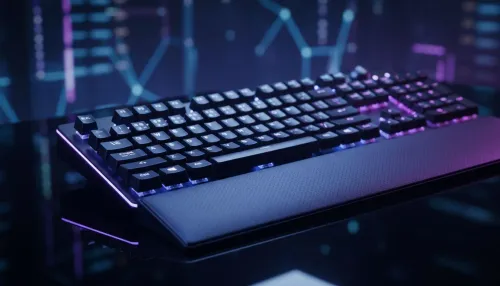
Best gaming keyboard features to prioritize when building a high-end setup: mechanical switches, low latency, hot-swap, RGB, macros, durability and ergonomics 🎮⌨️
Read more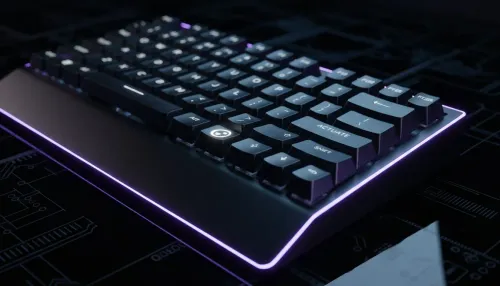
Custom actuation point keyboard setup guide: learn to set per-key actuation on your analog gaming keyboard for faster, precise inputs and better control 🎮⚙️
Read more
Cable management for home entertainment helps you eliminate cable clutter quickly and safely. Learn routing, concealment, and product picks to tidy your setup fast 📺🔌
Read more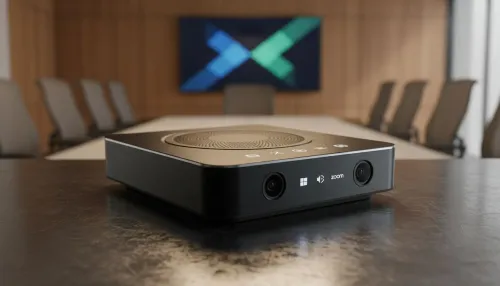
conference room setup Microsoft Teams Zoom: Upgrade AV, camera, mic, and network to ensure seamless meetings, clear audio, and crisp video 🎯🔧
Read more
• Audit setup • Link accounts • Configure ViewBoard • Test workflows Integrate Google Workspace with ViewSonic ViewBoard to enable secure SSO, calendar and Drive sync, and smooth collaborative whiteboarding 🔗📋
Read more
Discover webcams that automatically adjust light and color for crystal-clear video calls 🎥✨. Boost your streaming quality today!
Read more
Discover webcams that blend into your workflow 🎯 Capture moments while you work, stream, or create. Upgrade your setup with smart, multitasking tech!
Read more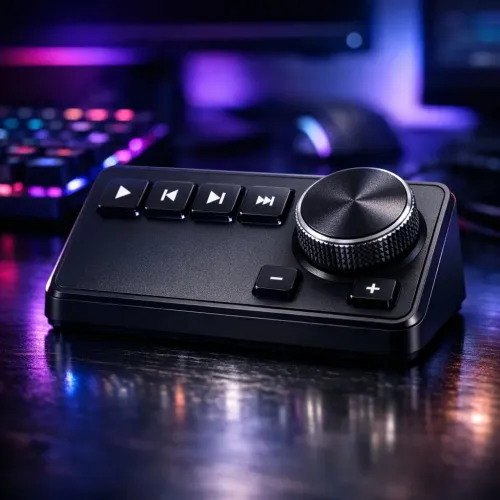
Dedicated media keys give streamers one-touch control to mute, switch scenes, clip highlights, and adjust audio — cutting task time and boosting consistency 🎛️⚡
Read more
PBT vs ABS keycaps: Clear, local guide for South African gamers—compare feel, sound, durability and where to buy. Find the best material for your budget and playstyle 🎮🇿🇦
Read more
- Multi-Function Digital Dial: define benefits - Show gamer setups and macros - Offer buying and setup tips Multi-Function Digital Dial puts programmable control at your fingertips for faster actions and smoother streaming. 🎮⚙️
Read more
- Explain benefits; - Show the science; - Compare options; - Recommend picks. Magnetic wrist rest for gaming cuts wrist strain and boosts comfort during long sessions 🕹️✨
Read more