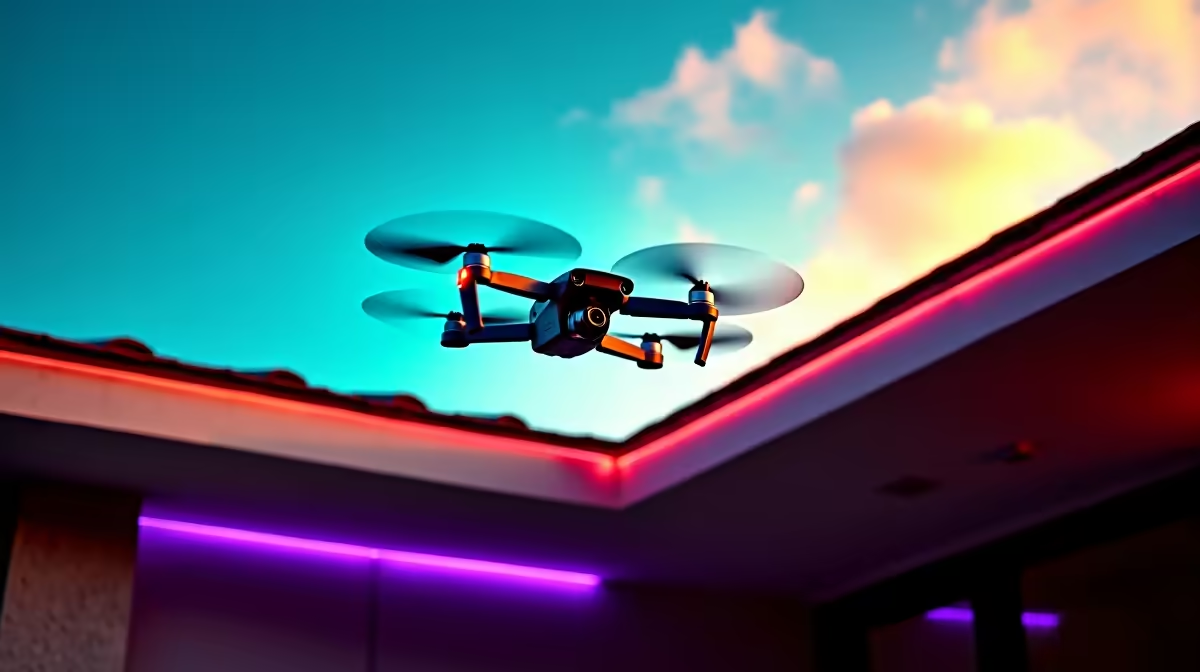
Aerial shots sell property. A wide sweep showing the full stand, the boundary walls and the street, paired with a tight architectural detail of the roofline, turns a flat listing into one buyers stop on. To use a drone for property and real-estate photography well, you want a dual-camera drone and a clear understanding of the SA rules, because a paid shoot is legally commercial work.
Quick Answer
Use a dual-camera drone like the DJI Air 3S. Its 1-inch wide sensor captures full-stand and street-level aerials, while its 70mm telephoto isolates architectural detail, both in a single flight. In SA, any paid property shoot is commercial drone work, which legally requires a SACAA Remote Pilot Licence and the operator to fly under a Remote Operating Certificate.
Step 1: Understand the SA Rules Before You Fly
This comes first because it shapes everything else. Flying a drone for money in South Africa is commercial operation under SACAA regulations, not hobby flying. That means the pilot needs a Remote Pilot Licence (RPL), and commercial work must be conducted under an approved Remote Operating Certificate (ROC).
On top of licensing, the standard flight rules apply: keep the drone within visual line of sight, stay clear of controlled airspace and airports, respect height limits, and do not fly over people who are not part of the operation. For a residential property this is usually straightforward, but always check the airspace for the suburb before you commit to a booking. Skipping this is not worth the risk to your business or your equipment.
Step 2: Choose a Drone That Covers Both Shot Types
A property shoot needs two very different images: the wide context shot and the tight detail shot. A single-camera drone forces you to compromise, but a dual-camera drone gives you both without swapping anything mid-flight.
The DJI Air 3S pairs a 1-inch wide sensor, ideal for the sweeping establishing shots that show the whole stand and its surroundings, with a 70mm medium telephoto that compresses perspective for clean architectural detail of facades, rooflines and features. Shooting both focal lengths in one flight saves time on site and gives the agent a richer set of images. You can compare current drone options on the smart home and drone range at Evetech to find a model with the camera flexibility this work needs.
Step 3: Plan the Shots Before You Arrive
Good aerial property work is planned, not improvised. Before the flight, decide which images the listing needs:
- The hero establishing shot: a high, wide frame showing the full property, the boundary and the street context.
- The approach shot: a lower angle that gives a sense of arriving at the home.
- Architectural details: the roofline, the pool area, the garden layout, captured with the telephoto.
- The neighbourhood context: nearby parks, schools or amenities if they add value to the listing.
Scout the property's orientation so you know where the sun will be, and confirm a safe take-off and landing spot clear of trees and power lines.
Step 4: Shoot at the Right Time of Day
Light makes or breaks aerial property images. The golden hours, shortly after sunrise and before sunset, give warm, soft light and long shadows that add depth and make a home look its best. Harsh midday sun flattens the image and casts unflattering overhead shadows, so avoid it when you can.
Overcast days are not a write-off, because soft cloud cover gives even, shadow-free light that suits architectural detail. Plan the booking around the light, not just the agent's diary, and the results justify it.
Step 5: Frame, Capture and Deliver
In the air, keep horizons level and use leading lines, driveways, walls, garden paths, to draw the eye toward the home. Shoot in the highest quality your drone offers so you have room to crop and grade afterwards. Capture a few extra angles of each shot type, since options cost nothing in the air and save a return flight.
After the flight, a light edit to balance exposure and colour lifts the set without making it look artificial. Deliver a tight, curated selection rather than every frame, because agents want the best ten images, not a hundred. Spare batteries, ND filters and propeller guards for this kind of work appear regularly among the accessories Evetech buyers pick up most, which is worth checking before a shoot day.
Frequently Asked Questions
Do I need a licence to shoot property with a drone in SA?
Yes, if you are being paid. A paid property shoot is commercial drone operation, which requires a SACAA Remote Pilot Licence and must be flown under a Remote Operating Certificate. Hobby flying for yourself has different, lighter rules, but real-estate work for an agent is commercial.
Why a dual-camera drone instead of a single camera?
Property shoots need both a wide context shot and a tight architectural detail shot. A dual-camera drone like the Air 3S captures both focal lengths in one flight, saving time on site and giving the agent a more complete set of images.
What is the best time of day to shoot?
The golden hours after sunrise and before sunset give warm, soft light and flattering shadows. Overcast skies also work well for even detail shots. Avoid harsh midday sun, which flattens the image and casts unflattering shadows.
How high should I fly for property shots?
Stay within the legal height limit and within visual line of sight at all times. The hero establishing shot usually works best from a high, wide vantage that still keeps the drone clearly in view and within controlled height limits for the area.
How many images should I deliver per listing?
Deliver a curated selection, often around ten strong images, rather than every frame you captured. Agents want the best shots that sell the property, so quality and variety of angle matter more than sheer quantity.
Adding aerial photography to your property service? Browse the drone range at Evetech, pick a dual-camera model that handles both wide and detail shots, and shoot listings that stand out.