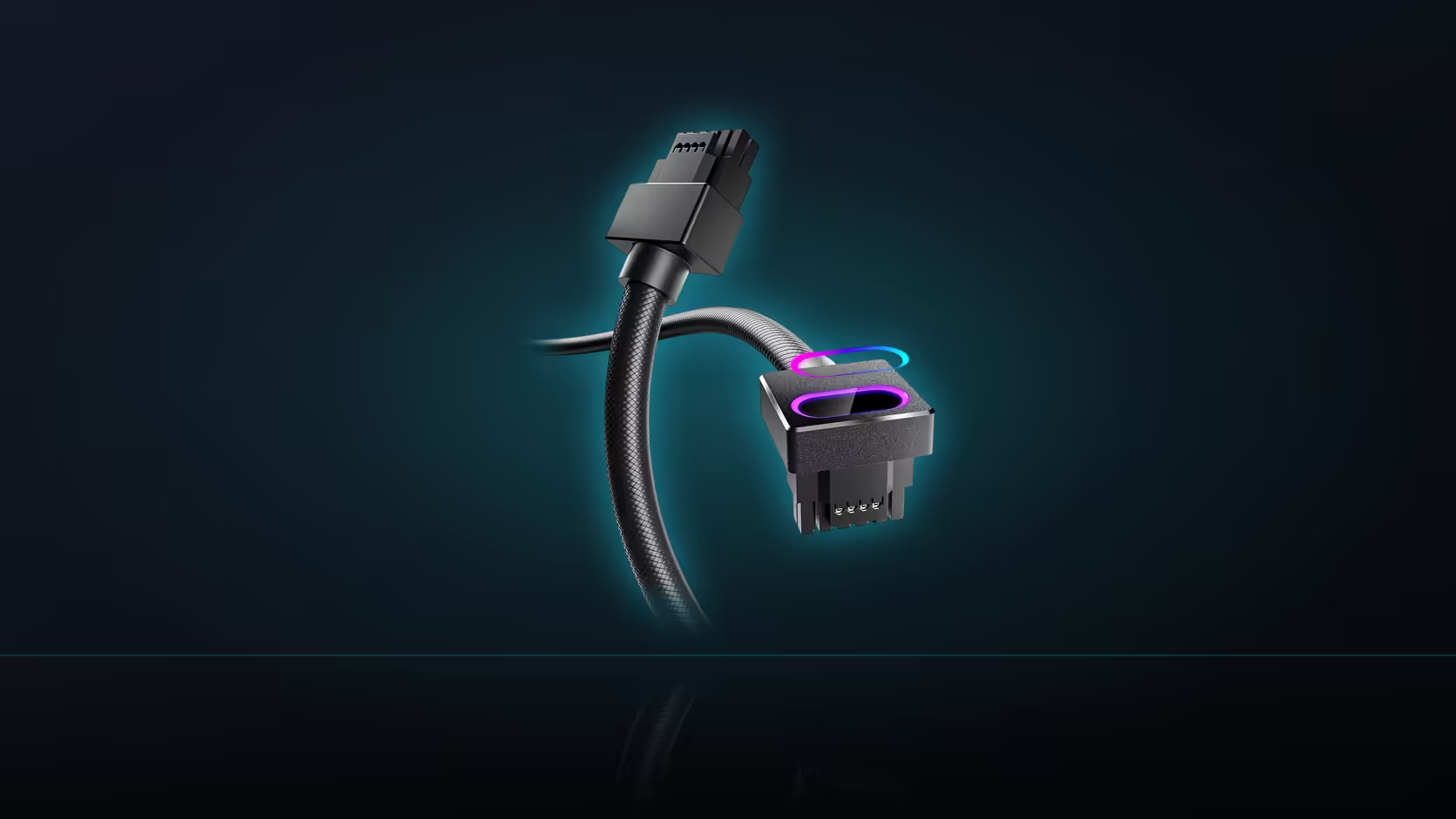
Order matters more than it looks like it should when a Hydrus 16-pin cable meets a case with a removable power supply cage. Connect both ends before the cage goes back in, and the whole install is straightforward. Get the sequence backward, and you are pulling the cage back out to fix something that a different order would have avoided entirely.
Quick Answer
On a case with a removable power supply cage, connect the R699 AsiaHorse Hydrus 16-pin (12VHPWR) cable's supply end before refitting the cage. Both ends of this direct-connection cable need to be reachable during the fit, and its 50cm length leaves little slack for adjustment afterward - doing the route in the wrong order usually means removing the cage again.
Why a removable cage is worth the extra step
Working on the power supply and its cables outside the case, with the cage pulled free, is considerably easier than reaching into an enclosed basement chamber blind. It is one of the genuine conveniences a removable cage offers, and it is worth actually using that advantage rather than working around it by trying to route the cable with everything already assembled.
The sequence that avoids rework
Connect the cable at the supply end first, while the cage is still out and the modular panel is fully accessible. That connection can be inspected and confirmed as fully seated with nothing in the way. Only once that end is done should the cage go back into position - at that point, the card end of the cable becomes the remaining connection, generally reachable from the open side of the case without needing to disturb the cage again.
Why the card end usually comes second
By the time the cage is back in place, the graphics card is typically already installed or about to be, and its power socket sits in an area that stays accessible from the case's open side throughout the rest of the build. Doing the supply end first, while it has the most restricted access, and the card end second, while it has the most consistent access, is simply the more efficient order.
Why 50cm makes the sequence matter more
Because this cable replaces the factory lead entirely rather than extending anything, its 50cm reach is the whole distance available - there is very little spare to work with if the route ends up slightly different from what you planned. That leaves almost no room for a "connect loosely now, adjust properly later" approach; the route effectively has to be right the first time, which makes doing it in the correct order, while everything is still visible, considerably more important than it would be for a cable with slack to spare.
What if the cage position can be adjusted
Some cases allow the power supply cage itself to sit in more than one position. If yours does, the cage's position becomes part of the route planning from the start, since shifting it changes the actual distance the cable has to cover between the supply and the card - worth deciding before either the cable or the cage is finalised.
Resist fixing the cage down early
Position the cage and confirm the whole route fits before driving in the screws that hold it permanently in place. Fixing it down before the cable run is actually confirmed working is the single most common reason for having to take it back out again - a five-minute check before committing saves that entire step.
Checking the seat once everything is assembled
The card end remains visible and checkable for a no-gap seat throughout final assembly. The supply end may be harder to see once the cage is back in position, which is exactly why confirming it there, before refitting the cage, matters more than it might for a more accessible connection.
Browse comprehensive cable solutions for this cable, and graphics card accessories for everything else a 12VHPWR parts list needs.
Frequently Asked Questions
What is the actual advantage of a removable power supply cage?
It lets the supply and its cables be worked on outside the case, far easier than reaching into an enclosed basement chamber.
When should the cable be connected at the supply end?
Before the cage is refitted, so that connection is seated and checked while it is still fully accessible.
Does the card end get connected first or second?
Usually second, once the supply side is done and the cage is positioned, since the card end stays reachable from the open side.
How does the cable's 50cm length affect the installation order?
It leaves very little spare, so the route needs to be right the first time rather than adjusted after the cage is fixed in place.
What if my case allows the cage position to be adjusted?
Then its position becomes part of route planning, since moving it changes the distance the cable actually has to cover.
Should the cage be screwed down before or after testing the fit?
Position it and check the fit first. Fixing it down before the route is confirmed is what creates the need for rework.
Is the seating check still possible once everything is assembled?
At the card end, yes. The supply end can be harder to see, which is why confirming it before refitting the cage matters most.
Working with a removable PSU cage and want to get the order right?
Connect the supply end first while it is accessible, then browse Evetech's cable range if you're still deciding on the right fit.