


Clean Gaming Keyboard: Guide for Dusty & Humid Conditions
Clean gaming keyboard quickly and safely in dusty or humid conditions with step-by-step tips, tool checklist, and maintenance routines to prevent corrosion and switch failure. 🧼💨
Read moreMesh vs Glass Front Panels - Compare airflow, noise and temperatures - Match design to South African climate and build goals - Get Evetech-friendly part picks and recommendations 🇿🇦🛠️
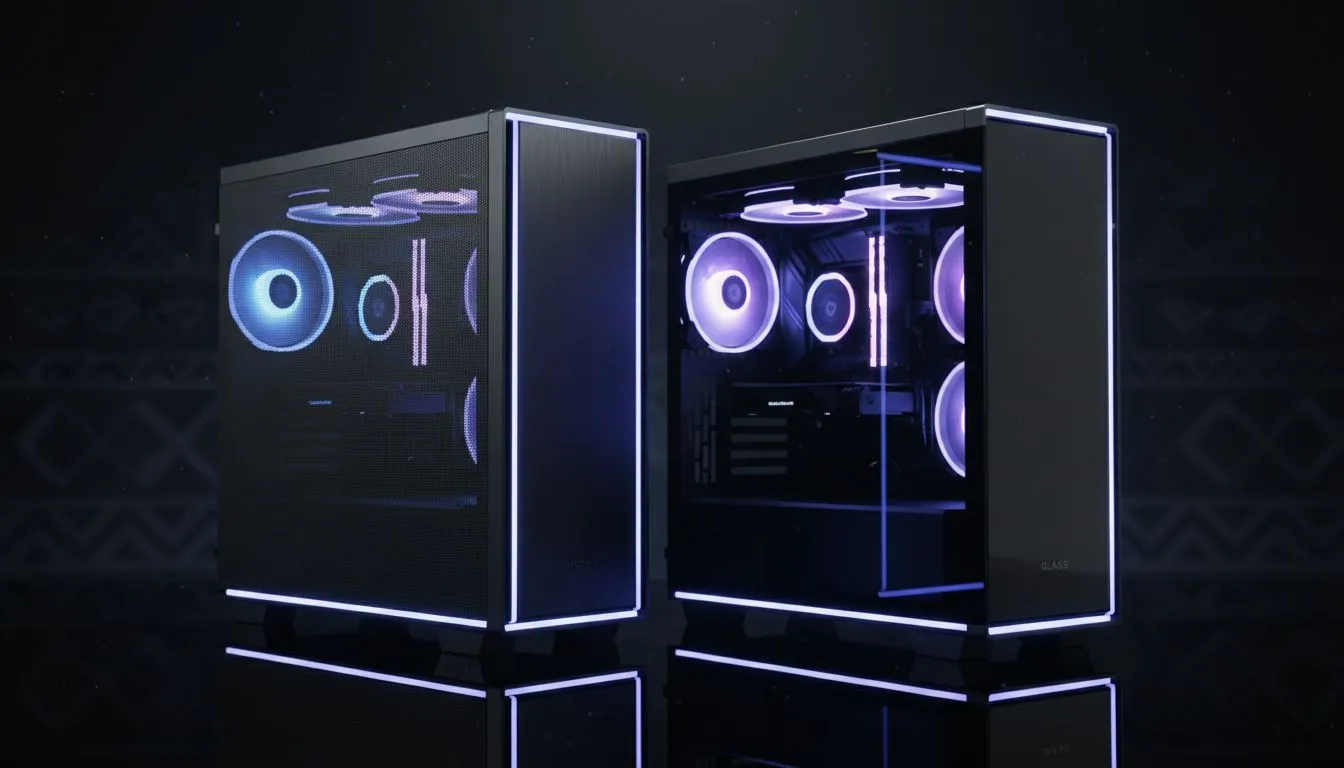
Choosing a PC case in South Africa isn't just about looks. With our blistering summer heat and the dust that comes with it, your choice between mesh and glass front panels can make or break your performance. Whether you're chasing the lowest temps or a stunning RGB showcase, understanding the trade-offs is vital for any local build. Let’s settle the Mesh vs Glass Front Panels debate for good.
Our local climate puts immense pressure on hardware. During a hot February afternoon in Gauteng or the humid peaks in KZN, your GPU and CPU work harder to stay cool. When browsing the massive selection of computer cases available, you will notice a clear divide in design philosophy.
Mesh front panels act like a set of lungs for your PC. They allow your intake fans to pull in massive volumes of fresh air without restriction. This keeps your internal temperatures lower... which often leads to higher clock speeds and longer hardware lifespans. For those running high-TDP components like an RTX 4080 or a Ryzen 9, mesh is usually the logical choice to avoid thermal throttling.
If you have spent thousands on high-end RGB fans and custom lighting, you want to see them. Tempered glass front panels offer a premium, sleek look that mesh simply cannot match. It turns your PC into a piece of furniture rather than just a machine.
If you want that premium Nordic aesthetic without sacrificing too much airflow, Fractal Design PC cases often offer the perfect middle ground. Many of their designs use clever side-venting or high-quality glass that still allows for decent thermal performance. However, remember that glass panels act as a sound barrier too. They often keep fan noise muffled better than open mesh designs.
In dusty South African environments, positive pressure is your best friend. Ensure you have more intake fans than exhaust fans. This forces air out of the small gaps in your case, preventing dust from settling on your expensive components... keeping your mesh or glass looking pristine for longer.
Dust is the silent killer of South African gaming rigs. Mesh panels usually come with integrated dust filters that are easy to pop off and rinse. Glass panels, while beautiful, show every fingerprint and every speck of dust. They require frequent cleaning with a microfibre cloth to stay looking sharp.
For those who want high-end features and striking visuals at a competitive price, Gamdias gaming cases provide excellent options for both mesh and glass enthusiasts. Many of these models are designed with the "airflow-first" mindset while still offering the "tempered glass" side panel look that gamers crave.
Your choice often comes down to your specific hardware and your budget. If you are building a mid-range rig that doesn't generate massive heat, a glass front panel is a safe and stylish bet. If you are pushing your hardware to the limit with overclocking, mesh is non-negotiable.
If you are building on a budget, you can find great gaming cases under R1500 that still offer tempered glass side panels and decent ventilation. Always check if the case includes fans, as adding three or four high-quality fans later can significantly increase your total build cost.
Ready to Find Your Perfect Match? The Mesh vs Glass Front Panels debate is complex, but for maximum cooling and performance in South Africa, mesh is hard to beat. Explore our massive range of computer cases and find the perfect chassis to protect and showcase your build.
Mesh front panels usually deliver better airflow and lower temps; tempered glass prioritises looks but can restrict intake. Choose mesh for cooling.
Tempered glass fronts can worsen dust buildup if intake is limited. Use dust filters and positive pressure to mitigate glass front panel dust issues.
Mesh can let fan noise pass, but better airflow lets fans run slower. Proper tuning often makes mesh quieter despite more open vents.
In warmer South African rooms, mesh performs better by improving cooling and reducing thermal throttling for gaming PC cases.
Yes. Tempered glass that limits front intake can raise GPU temps. Choose mesh to improve intake and lower GPU temperatures.
Mesh needs regular dust-filter cleaning; glass is easy to wipe but may hide dust behind panels. Both require periodic maintenance.
Mesh enables lower fan speeds for same cooling, often making quiet builds easier even if direct noise is slightly more noticeable.
Clean gaming keyboard quickly and safely in dusty or humid conditions with step-by-step tips, tool checklist, and maintenance routines to prevent corrosion and switch failure. 🧼💨
Read more
Best gaming keyboard features to prioritize when building a high-end setup: mechanical switches, low latency, hot-swap, RGB, macros, durability and ergonomics 🎮⌨️
Read more
Custom actuation point keyboard setup guide: learn to set per-key actuation on your analog gaming keyboard for faster, precise inputs and better control 🎮⚙️
Read more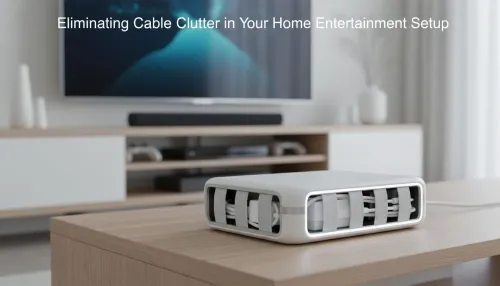
Cable management for home entertainment helps you eliminate cable clutter quickly and safely. Learn routing, concealment, and product picks to tidy your setup fast 📺🔌
Read more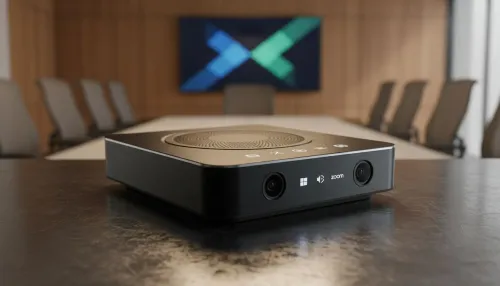
conference room setup Microsoft Teams Zoom: Upgrade AV, camera, mic, and network to ensure seamless meetings, clear audio, and crisp video 🎯🔧
Read more
• Audit setup • Link accounts • Configure ViewBoard • Test workflows Integrate Google Workspace with ViewSonic ViewBoard to enable secure SSO, calendar and Drive sync, and smooth collaborative whiteboarding 🔗📋
Read more
Discover webcams that automatically adjust light and color for crystal-clear video calls 🎥✨. Boost your streaming quality today!
Read more
Discover webcams that blend into your workflow 🎯 Capture moments while you work, stream, or create. Upgrade your setup with smart, multitasking tech!
Read more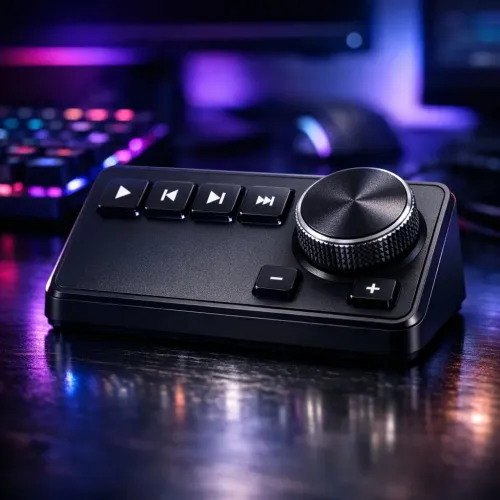
Dedicated media keys give streamers one-touch control to mute, switch scenes, clip highlights, and adjust audio — cutting task time and boosting consistency 🎛️⚡
Read more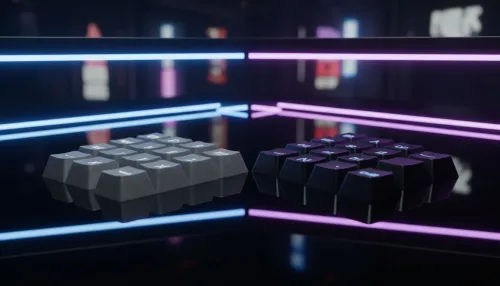
PBT vs ABS keycaps: Clear, local guide for South African gamers—compare feel, sound, durability and where to buy. Find the best material for your budget and playstyle 🎮🇿🇦
Read more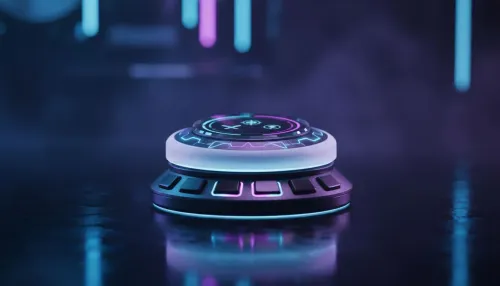
- Multi-Function Digital Dial: define benefits - Show gamer setups and macros - Offer buying and setup tips Multi-Function Digital Dial puts programmable control at your fingertips for faster actions and smoother streaming. 🎮⚙️
Read more
- Explain benefits; - Show the science; - Compare options; - Recommend picks. Magnetic wrist rest for gaming cuts wrist strain and boosts comfort during long sessions 🕹️✨
Read more