

Clean Gaming Keyboard: Guide for Dusty & Humid Conditions
Clean gaming keyboard quickly and safely in dusty or humid conditions with step-by-step tips, tool checklist, and maintenance routines to prevent corrosion and switch failure. 🧼💨
Read moreFacing PC build compatibility issues? Don't panic! This guide helps you diagnose and solve common problems from CPU/motherboard mismatches to RAM conflicts. Build your dream gaming rig with confidence and avoid costly mistakes. Let's get building! 🛠️✅
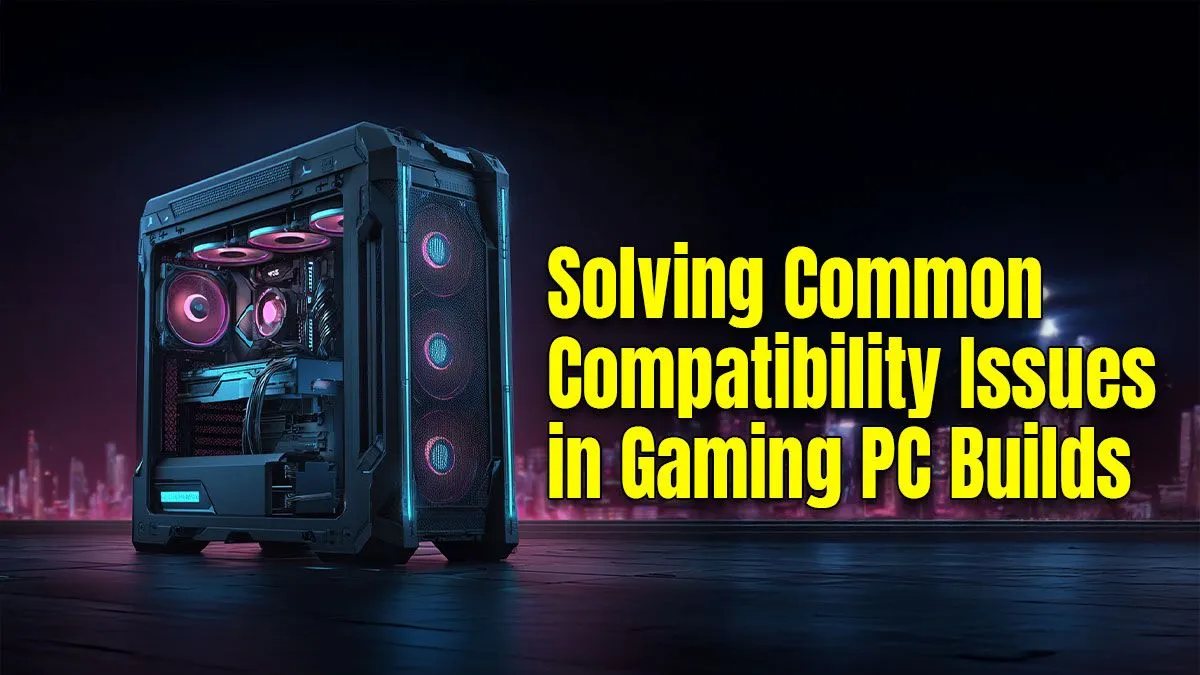
You’ve done it. After weeks of research and spending your hard-earned ZAR, the parts for your dream PC are finally assembled. You press the power button, excitement building... and then... nothing. Just a black screen and the disheartening whir of fans. Eish. This is the moment every DIY builder dreads, and it's almost always caused by one thing: PC build compatibility issues.
Don't panic. This guide is your ultimate troubleshooting companion to diagnose and fix those frustrating component conflicts.
Before you start pulling everything apart, let's look at the most common mismatches. Getting these right is 90% of the battle, and even experienced builders can sometimes overlook a small detail.
This is the heart of your build, and the most critical compatibility check. A CPU physically fits into a specific socket type (like AM5 for modern AMD or LGA 1700 for modern Intel). If your motherboard has a different socket, it’s a non-starter.
Getting this combo right is fundamental, whether you're building with parts for PCs under R20k or a high-end beast.
Modern PCs use either DDR4 or DDR5 RAM. The two are not interchangeable—they have different physical notches and work with different motherboards.
Before you buy a single component, use an online tool like PCPartPicker. It automatically flags major PC build compatibility issues, like an AMD CPU with an Intel motherboard or DDR4 RAM with a DDR5 board. It’s a fantastic first line of defence against common mistakes and can save you a massive headache.
A common rookie mistake is underestimating the power your components need. A beefy graphics card and CPU require a quality Power Supply Unit (PSU) with enough wattage to handle the load, especially during intense gaming sessions.
An underpowered PSU can cause random shutdowns, crashes, or prevent the PC from booting at all. When looking at our professionally assembled budget gaming PCs, you'll notice we never skimp on the power supply, as it's the foundation of a stable system.
Sometimes, a PC build compatibility issue isn't electronic... it's physical. Today's high-end GPUs are massive. You need to check three things:
This is especially crucial for powerful rigs over R20,000, which often feature the largest and most power-hungry components.
If your new build won't POST (Power-On Self-Test), work through these steps methodically.
If you've tried everything and are still facing component compatibility problems, it might be time to consider an alternative. The DIY journey is rewarding, but it can also be a massive time-sink filled with unexpected costs.
Sometimes, the smartest move is to let the experts handle the complexities. Our technicians build and test PCs all day, ensuring every component works in perfect harmony. They've seen every possible compatibility issue and know exactly how to build a rock-solid, optimised machine from the get-go, giving you access to some of the best gaming PC deals in South Africa without the hassle.
Ready to Skip the Troubleshooting and Start Gaming? Solving PC build compatibility issues is rewarding, but sometimes you just want a machine that works flawlessly out of the box. Our experts live and breathe component matching. Explore our massive range of pre-built PC deals and find a perfectly optimised rig, built and tested for you.
Use an online tool like PCPartPicker to flag major issues. Crucially, always check the motherboard's official support page for its CPU compatibility and RAM QVL lists.
Incompatible parts can prevent your PC from booting (no POST), cause random crashes and blue screens, or result in components not being detected by the operating system.
No. Every CPU has a specific socket type (e.g., AM5, LGA 1700) that must exactly match the motherboard's socket. A mismatch is a fundamental compatibility failure.
Yes. A motherboard may need a BIOS update to recognize a newer CPU. Without the update, the system won't boot, even if the CPU socket is physically compatible.
Compare the GPU's dimensions (length, height, width) listed on its product page with the 'Maximum GPU Clearance' specification provided by your PC case manufacturer.
Absolutely. The motherboard dictates the RAM generation (DDR4/DDR5), max speed, and capacity. Using unsupported RAM can lead to instability or failure to boot.
A frequent error is assuming a CPU and motherboard are compatible just because the socket type matches, while ignoring the need for a potential BIOS update for newer CPUs.
Check the recommended PSU wattage for your GPU, as it's the most power-hungry part. Use an online PSU calculator to estimate total system draw and ensure you have headroom.
Clean gaming keyboard quickly and safely in dusty or humid conditions with step-by-step tips, tool checklist, and maintenance routines to prevent corrosion and switch failure. 🧼💨
Read more
Best gaming keyboard features to prioritize when building a high-end setup: mechanical switches, low latency, hot-swap, RGB, macros, durability and ergonomics 🎮⌨️
Read more
Custom actuation point keyboard setup guide: learn to set per-key actuation on your analog gaming keyboard for faster, precise inputs and better control 🎮⚙️
Read more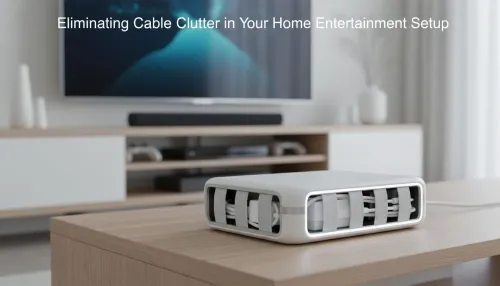
Cable management for home entertainment helps you eliminate cable clutter quickly and safely. Learn routing, concealment, and product picks to tidy your setup fast 📺🔌
Read more
conference room setup Microsoft Teams Zoom: Upgrade AV, camera, mic, and network to ensure seamless meetings, clear audio, and crisp video 🎯🔧
Read more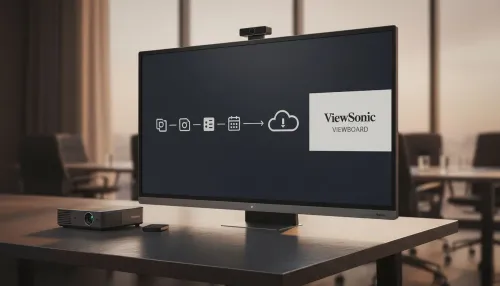
• Audit setup • Link accounts • Configure ViewBoard • Test workflows Integrate Google Workspace with ViewSonic ViewBoard to enable secure SSO, calendar and Drive sync, and smooth collaborative whiteboarding 🔗📋
Read more
Discover webcams that automatically adjust light and color for crystal-clear video calls 🎥✨. Boost your streaming quality today!

Discover webcams that blend into your workflow 🎯 Capture moments while you work, stream, or create. Upgrade your setup with smart, multitasking tech!
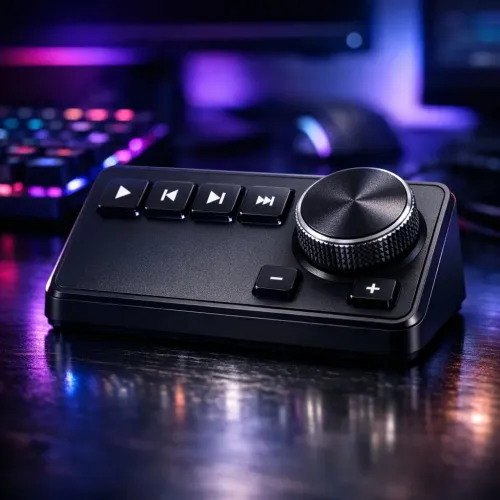
Dedicated media keys give streamers one-touch control to mute, switch scenes, clip highlights, and adjust audio — cutting task time and boosting consistency 🎛️⚡
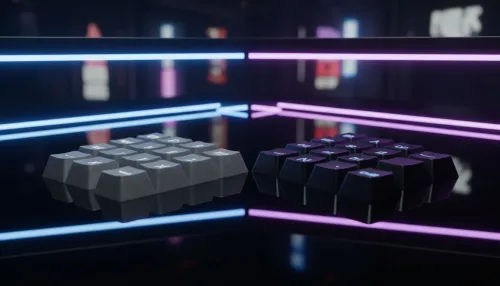
PBT vs ABS keycaps: Clear, local guide for South African gamers—compare feel, sound, durability and where to buy. Find the best material for your budget and playstyle 🎮🇿🇦
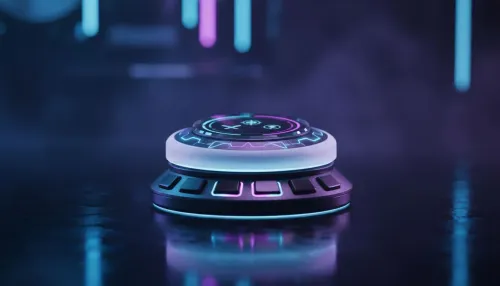
- Multi-Function Digital Dial: define benefits - Show gamer setups and macros - Offer buying and setup tips Multi-Function Digital Dial puts programmable control at your fingertips for faster actions and smoother streaming. 🎮⚙️
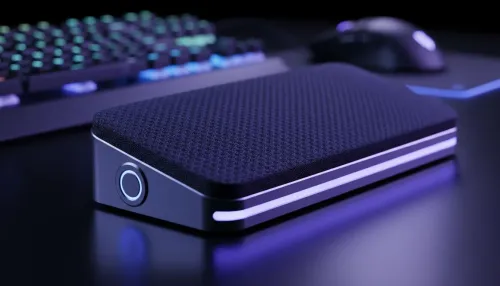
- Explain benefits; - Show the science; - Compare options; - Recommend picks. Magnetic wrist rest for gaming cuts wrist strain and boosts comfort during long sessions 🕹️✨