


Clean Gaming Keyboard: Guide for Dusty & Humid Conditions
Clean gaming keyboard quickly and safely in dusty or humid conditions with step-by-step tips, tool checklist, and maintenance routines to prevent corrosion and switch failure. 🧼💨
Read moreDeciding on a stock vs aftermarket CPU cooler can be tough. This guide breaks down the essential differences in performance, noise, and price for South African PC builders. Discover if the free cooler is enough or if an upgrade will unlock your CPU's true potential. ❄️ Keep your temps low and your frames high! 🚀

So, you’ve just unboxed your shiny new processor. Tucked inside is a stock CPU cooler, and you’re wondering… is this little guy actually up to the job? For South African gamers, where a summer heatwave can turn your PC case into a mini-braai, this question is crucial. The choice between a stock vs aftermarket CPU cooler isn't just about fancy RGB; it's about performance, noise, and protecting your investment. Let's settle the debate.
The cooler that comes bundled with your CPU is what we call a "stock" cooler. Think of it as the bare minimum. Manufacturers like Intel and AMD design them to keep the processor from overheating at its default factory settings. They get the job done for basic tasks like browsing the web or working on spreadsheets.
But here’s the catch. They are built to a very specific cost. This means smaller heatsinks, less efficient fans, and often, a rather loud personality when your PC is under pressure. For a serious gaming session, a stock cooler is often the first component to show its limits, leading to higher temperatures and that dreaded performance throttling. While functional, they are a starting point, not a final destination for anyone serious about performance.
This is where the real magic happens. Deciding to upgrade in the stock vs aftermarket CPU cooler standoff is one of the best value-for-money improvements you can make to your rig. Here’s why:
An aftermarket cooler, whether it's one of the many powerful standard air coolers or a sleek liquid option, features a much larger surface area (bigger heatsinks and more heat pipes) and better fans. This design is far more effective at drawing heat away from your CPU. The result? Lower temperatures, which allow your CPU to maintain its maximum boost clocks for longer. This translates directly to smoother gameplay and more stable frame rates.
Remember that annoying fan whine when your PC is working hard? That's usually the stock cooler's small fan spinning at max RPM. Aftermarket coolers use larger, more efficient fans that can move the same amount of air (or more) at a much lower speed. This drastically reduces noise, making your gaming experience more immersive. It’s a quality-of-life upgrade you’ll appreciate immediately.
If you've bought an unlocked "K" series Intel or any modern AMD Ryzen CPU, you're leaving performance on the table by sticking with the stock cooler. Overclocking generates a lot more heat, and an aftermarket solution is non-negotiable to handle it safely. By investing in the vast world of PC cooling solutions, you give yourself the headroom to push your hardware to its absolute limits.
The thermal paste that comes pre-applied on most coolers is decent, but for optimal performance, consider buying a tube of high-quality aftermarket paste. A small R100-R200 investment in a premium paste can often lower your CPU temperatures by another 2-5°C. It's one of the easiest ways to maximise your cooler's efficiency.
So, what’s the verdict in the stock vs aftermarket CPU cooler showdown? It really depends on your needs.
The great news is that you don't have to break the bank. A solid aftermarket air cooler can be found for just a few hundred ZAR, offering a massive improvement over the stock option. It's a small price to pay to protect your valuable CPU and guarantee peak performance, especially when the South African sun is beating down.
Before you make your final decision, it's always a good idea to check out the best CPU cooler deals available. You might be surprised at how affordable a massive performance uplift can be.
Ready to Beat the Heat? The stock vs aftermarket CPU cooler debate is clear for gamers. For lower temps, quieter performance, and maximum FPS, an upgrade is key. Explore our massive range of CPU coolers and find the perfect match to keep your rig cool and fast.
For most entry-level to mid-range CPUs and casual gaming, a stock cooler is sufficient. However, for overclocking or high-end CPUs, an aftermarket cooler is highly recommended.
Aftermarket coolers offer superior cooling performance, leading to lower CPU temperatures, quieter operation, and better potential for overclocking for maximum performance.
Budget air coolers start around R400. Mid-range air and entry-level liquid coolers are R800-R1500. High-end models can exceed R2000, depending on your specific needs.
Even without overclocking, an aftermarket cooler can provide benefits like significantly quieter operation and lower temperatures, which can extend your CPU's lifespan.
Air cooling is reliable, cost-effective, and great for most builds. Liquid cooling often offers superior performance for high-end CPUs and a cleaner aesthetic.
Check the cooler's specifications for CPU socket compatibility (e.g., AM5, LGA 1700) and ensure its physical dimensions will fit inside your PC case and clear your RAM.
Clean gaming keyboard quickly and safely in dusty or humid conditions with step-by-step tips, tool checklist, and maintenance routines to prevent corrosion and switch failure. 🧼💨
Read more
Best gaming keyboard features to prioritize when building a high-end setup: mechanical switches, low latency, hot-swap, RGB, macros, durability and ergonomics 🎮⌨️
Read more
Custom actuation point keyboard setup guide: learn to set per-key actuation on your analog gaming keyboard for faster, precise inputs and better control 🎮⚙️
Read more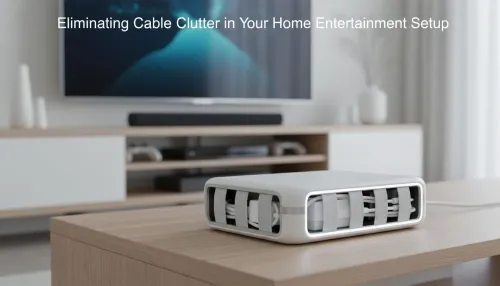
Cable management for home entertainment helps you eliminate cable clutter quickly and safely. Learn routing, concealment, and product picks to tidy your setup fast 📺🔌
Read more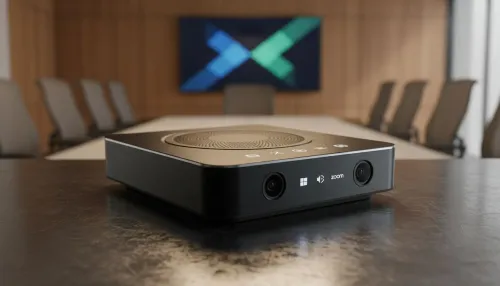
conference room setup Microsoft Teams Zoom: Upgrade AV, camera, mic, and network to ensure seamless meetings, clear audio, and crisp video 🎯🔧
Read more
• Audit setup • Link accounts • Configure ViewBoard • Test workflows Integrate Google Workspace with ViewSonic ViewBoard to enable secure SSO, calendar and Drive sync, and smooth collaborative whiteboarding 🔗📋
Read more
Discover webcams that automatically adjust light and color for crystal-clear video calls 🎥✨. Boost your streaming quality today!

Discover webcams that blend into your workflow 🎯 Capture moments while you work, stream, or create. Upgrade your setup with smart, multitasking tech!
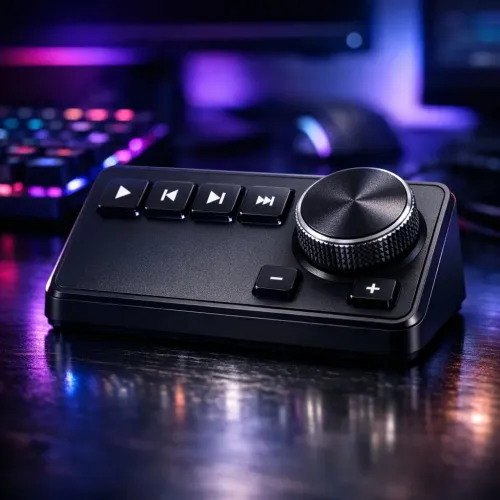
Dedicated media keys give streamers one-touch control to mute, switch scenes, clip highlights, and adjust audio — cutting task time and boosting consistency 🎛️⚡

PBT vs ABS keycaps: Clear, local guide for South African gamers—compare feel, sound, durability and where to buy. Find the best material for your budget and playstyle 🎮🇿🇦

- Multi-Function Digital Dial: define benefits - Show gamer setups and macros - Offer buying and setup tips Multi-Function Digital Dial puts programmable control at your fingertips for faster actions and smoother streaming. 🎮⚙️
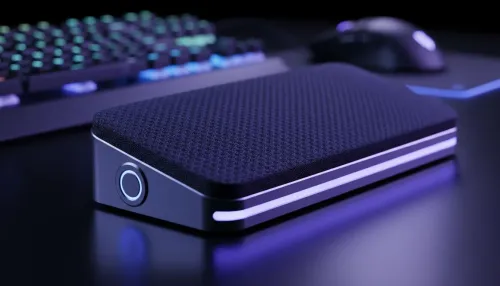
- Explain benefits; - Show the science; - Compare options; - Recommend picks. Magnetic wrist rest for gaming cuts wrist strain and boosts comfort during long sessions 🕹️✨