


Clean Gaming Keyboard: Guide for Dusty & Humid Conditions
Clean gaming keyboard quickly and safely in dusty or humid conditions with step-by-step tips, tool checklist, and maintenance routines to prevent corrosion and switch failure. 🧼💨
Read moreIs a stock vs aftermarket CPU cooler better for your PC build in South Africa? We put them to the test! 🌡️ See our real-world benchmarks on temperature, noise, and performance to find out if upgrading is worth the cost. Discover the best cooling solution for your rig. ❄️
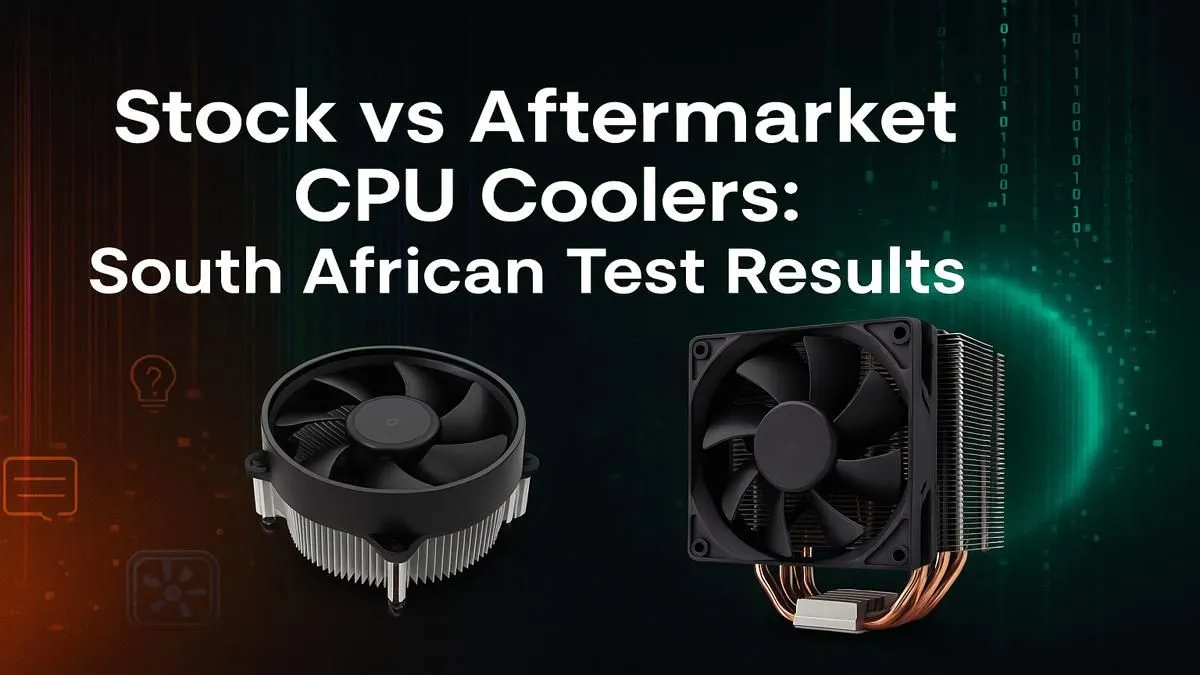
Your PC is screaming. Not in a 'just-won-the-championship' way, but a 'jet-engine-in-a-shoebox' way. It’s a hot South African afternoon, you’re deep in a firefight, and your CPU is cooking under the pressure. That free cooler that came in the box? It’s hitting its limit. This raises the big question for every PC builder: is it time to settle the stock vs aftermarket CPU cooler debate for your rig and finally invest in a proper upgrade?
Every processor from Intel (non-K series) and AMD (non-high-end) ships with a "stock" cooler. It's a basic block of aluminium with a fan on top, designed to do one job: keep the CPU from overheating at its factory-rated speeds. And for basic browsing and office work, it’s perfectly fine. It’s free, it works, and it gets the job done.
But "fine" isn't what you're after when you're gaming, streaming, or editing video. Stock coolers are built to a cost, not for peak performance. In a warm South African climate, they can struggle to keep temperatures down, leading to thermal throttling—where your CPU intentionally slows itself to avoid damage. This means lost frames and frustrating stutters. They are the most basic of all PC thermal solutions, and for many gamers, they represent a performance bottleneck waiting to happen.
This is where the real performance gains are found. An aftermarket cooler is any cooling solution you buy separately. They are bigger, more efficient, and designed for enthusiasts who demand more from their hardware. The difference between a stock vs aftermarket CPU cooler comes down to three key advantages:
To put numbers to the theory, we ran a simple test in our lab. We took a popular mid-range gaming rig (AMD Ryzen 5 7600X) and ran a demanding benchmark for 30 minutes in a room simulating a warm Johannesburg day (28°C).
The conclusion is clear: even a budget-friendly aftermarket cooler offers a massive improvement in thermal performance and acoustics over the stock solution.
When installing a new CPU cooler, the quality of your thermal paste application matters. Most new coolers come with pre-applied paste, which is great. If you're applying your own, a pea-sized dot in the centre of the CPU is all you need. Too much paste can be just as bad as too little, hindering thermal transfer.
The decision in the stock vs aftermarket CPU cooler battle depends on your needs and budget.
Whatever your choice, an upgrade is one of the most satisfying and impactful changes you can make to your PC. You can often find some of the best CPU cooler deals in South Africa right here, making the jump more affordable than ever.
Ready to Drop Your Temps? The stock vs aftermarket CPU cooler debate ends here. For a quieter, faster, and more stable PC, an upgrade is one of the best investments you can make. Explore our massive range of CPU cooler deals and find the perfect thermal solution to conquer the heat.
For light gaming and standard use, a stock cooler can be adequate. However, in warmer South African climates and for high-performance gaming, an aftermarket cooler provides significantly better temperatures and stability.
The primary benefits are lower CPU temperatures, quieter operation, and increased overclocking potential. This leads to better system performance, stability, and longevity for your components.
Prices vary. Entry-level air coolers can start from R400, while high-end air coolers and All-in-One (AIO) liquid coolers can range from R1,500 to over R4,000, depending on performance and features.
Indirectly, yes. A better cooler prevents your CPU from thermal throttling (slowing down due to heat), ensuring it maintains its maximum boost clock speed for longer, which results in more stable FPS.
Most modern aftermarket coolers come with clear instructions and mounting hardware. While it requires care, it's a manageable task for most DIY PC builders with basic tools.
The AMD Wraith Prism is one of the best stock coolers. For stock speeds, it's great. If you plan to overclock your Ryzen CPU or want quieter operation, upgrading to a mid-range aftermarket cooler is a good idea.
Clean gaming keyboard quickly and safely in dusty or humid conditions with step-by-step tips, tool checklist, and maintenance routines to prevent corrosion and switch failure. 🧼💨
Read more
Best gaming keyboard features to prioritize when building a high-end setup: mechanical switches, low latency, hot-swap, RGB, macros, durability and ergonomics 🎮⌨️
Read more
Custom actuation point keyboard setup guide: learn to set per-key actuation on your analog gaming keyboard for faster, precise inputs and better control 🎮⚙️
Read more
Cable management for home entertainment helps you eliminate cable clutter quickly and safely. Learn routing, concealment, and product picks to tidy your setup fast 📺🔌
Read more
conference room setup Microsoft Teams Zoom: Upgrade AV, camera, mic, and network to ensure seamless meetings, clear audio, and crisp video 🎯🔧
Read more
• Audit setup • Link accounts • Configure ViewBoard • Test workflows Integrate Google Workspace with ViewSonic ViewBoard to enable secure SSO, calendar and Drive sync, and smooth collaborative whiteboarding 🔗📋
Read more
Discover webcams that automatically adjust light and color for crystal-clear video calls 🎥✨. Boost your streaming quality today!

Discover webcams that blend into your workflow 🎯 Capture moments while you work, stream, or create. Upgrade your setup with smart, multitasking tech!
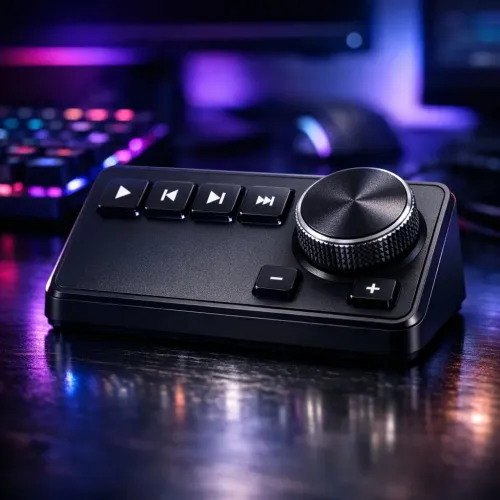
Dedicated media keys give streamers one-touch control to mute, switch scenes, clip highlights, and adjust audio — cutting task time and boosting consistency 🎛️⚡

PBT vs ABS keycaps: Clear, local guide for South African gamers—compare feel, sound, durability and where to buy. Find the best material for your budget and playstyle 🎮🇿🇦

- Multi-Function Digital Dial: define benefits - Show gamer setups and macros - Offer buying and setup tips Multi-Function Digital Dial puts programmable control at your fingertips for faster actions and smoother streaming. 🎮⚙️
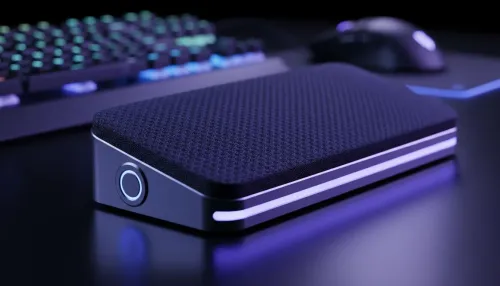
- Explain benefits; - Show the science; - Compare options; - Recommend picks. Magnetic wrist rest for gaming cuts wrist strain and boosts comfort during long sessions 🕹️✨