


Clean Gaming Keyboard: Guide for Dusty & Humid Conditions
Clean gaming keyboard quickly and safely in dusty or humid conditions with step-by-step tips, tool checklist, and maintenance routines to prevent corrosion and switch failure. 🧼💨
Read more- Quick compare - Pros & cons - Buyer's pick Tempered glass vs acrylic cases: Decide the right panel for your build—durability, airflow, aesthetics, and budget explained ⚖️
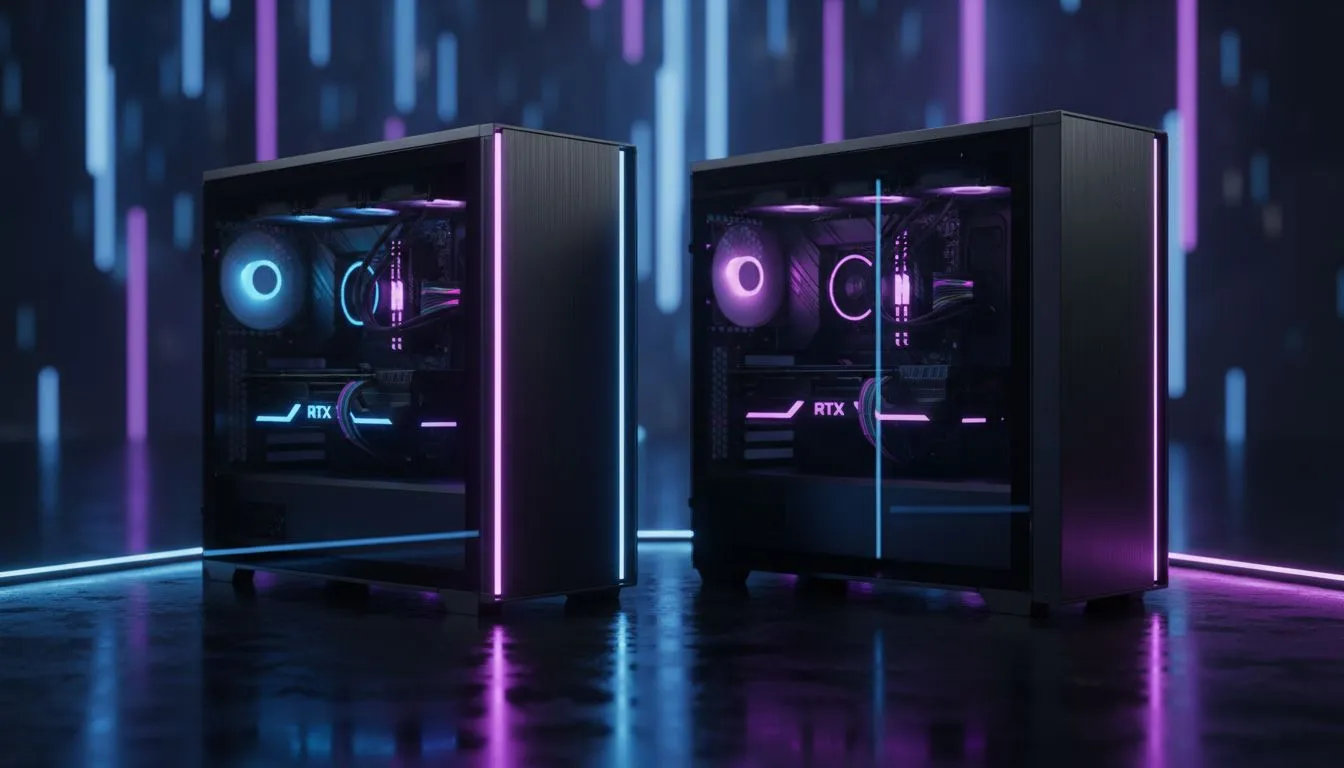
You’ve specced out your beast of a rig. The CPU is chosen, the GPU is ready to render, and the RAM is locked in. Now for the fun part: the chassis. But the big question that stumps many South African builders is about the window to your PC’s soul. It’s the classic showdown: tempered glass vs acrylic cases. Which one is right for your build and your budget? Let's settle the debate. 💎
At its heart, the choice between a tempered glass or an acrylic side panel comes down to material properties. Tempered glass is real glass that's been treated for strength and safety. Acrylic, often known by the brand name Plexiglass, is a hard, transparent plastic. While they both let you show off your RGB lighting and slick cable management, they behave very differently in the real world.
When it comes to looks, tempered glass is the undisputed champion for most builders.
A tempered glass PC case offers crystal-clear, distortion-free viewing that makes your components pop with true-to-life colour. It has a satisfying weight and a cool, premium feel to the touch. It also resists yellowing over time, so your case will look as good in three years as it did on day one. It’s the reason high-end options, like many popular Fractal Design PC cases, use it as a standard feature.
Acrylic panels get the job done, but they can’t quite match the optical purity of glass. Some cheaper panels may have a very slight blueish tint or minor distortions. While modern acrylics are much better than they used to be, they can still be prone to fine scratches that create a hazy or clouded look over time.
How well does each material hold up to daily life, LAN parties, and the occasional cleaning? This is where the tempered glass vs acrylic cases debate gets interesting.
Tempered glass is incredibly scratch-resistant. You can wipe it down with a microfibre cloth without worrying about leaving swirl marks. Its major weakness? A sharp, direct impact on an edge or corner can cause it to shatter into small, relatively harmless cubes. It’s rare, but it can happen.
Acrylic is the opposite. It’s much more impact-resistant and won't shatter. However, it scratches extremely easily. A rough paper towel, a stray piece of grit, or even a fingernail can leave a permanent mark. This makes many of the otherwise excellent Gamdias gaming cases with acrylic panels require a bit more care.
Always use a clean, soft microfibre cloth for both materials. For tempered glass, a tiny bit of glass cleaner is fine. For acrylic, only use water or a specialised plastic cleaner. Never use alcohol-based cleaners on acrylic, as they can cause it to become cloudy and brittle over time.
A few years ago, tempered glass was a feature reserved for expensive cases. Today, the manufacturing process has become so efficient that the price gap has narrowed significantly.
You'll still find that the most affordable options, especially those in the sub-R1000 category, favour acrylic to keep costs down. It’s a perfectly good way to get a windowed panel without breaking the bank, and you can find some fantastic Gamdias gaming cases under R1500 that offer a great starting point for new builders.
However, many fantastic mid-range cases now come with tempered glass as standard, making the decision less about cost and more about personal preference.
So, after comparing tempered glass vs acrylic cases, which is the winner? It depends entirely on you.
Ultimately, both materials provide a great window into your build. The best choice is the one that fits your setup, lifestyle, and wallet. Ready to see what's out there?
Ready to House Your Hardware? Whether you've settled on the premium feel of glass or the budget-friendly practicality of acrylic, the perfect chassis is waiting. Explore our massive range of computer cases and find the ideal home for your new PC build today.
Tempered glass delivers a clearer, premium look and resists yellowing; acrylic can appear glossy initially but may scratch and yellow over time.
Tempered glass resists scratches and maintains clarity but can crack on impact; acrylic is more flexible but scratches easier.
Panel material matters less than vent design; both tempered glass and acrylic cases can support good airflow if the case has proper vents and fan mounts.
Yes, acrylic-panel cases often cost less, making them a budget-friendly option compared to pricier tempered glass builds.
Use a microfiber cloth and glass cleaner for tempered glass; for acrylic, use mild soap and water to avoid scratching the surface.
Tempered glass gives sharper, truer RGB visuals; acrylic can diffuse light more, which some builders prefer for softer effects.
For portability, acrylic is lighter and less likely to shatter in transit; tempered glass is heavier and offers a premium look for stationary builds.
Clean gaming keyboard quickly and safely in dusty or humid conditions with step-by-step tips, tool checklist, and maintenance routines to prevent corrosion and switch failure. 🧼💨
Read more
Best gaming keyboard features to prioritize when building a high-end setup: mechanical switches, low latency, hot-swap, RGB, macros, durability and ergonomics 🎮⌨️
Read more
Custom actuation point keyboard setup guide: learn to set per-key actuation on your analog gaming keyboard for faster, precise inputs and better control 🎮⚙️
Read more
Cable management for home entertainment helps you eliminate cable clutter quickly and safely. Learn routing, concealment, and product picks to tidy your setup fast 📺🔌
Read more
conference room setup Microsoft Teams Zoom: Upgrade AV, camera, mic, and network to ensure seamless meetings, clear audio, and crisp video 🎯🔧
Read more
• Audit setup • Link accounts • Configure ViewBoard • Test workflows Integrate Google Workspace with ViewSonic ViewBoard to enable secure SSO, calendar and Drive sync, and smooth collaborative whiteboarding 🔗📋
Read more
Discover webcams that automatically adjust light and color for crystal-clear video calls 🎥✨. Boost your streaming quality today!
Read more
Discover webcams that blend into your workflow 🎯 Capture moments while you work, stream, or create. Upgrade your setup with smart, multitasking tech!
Read more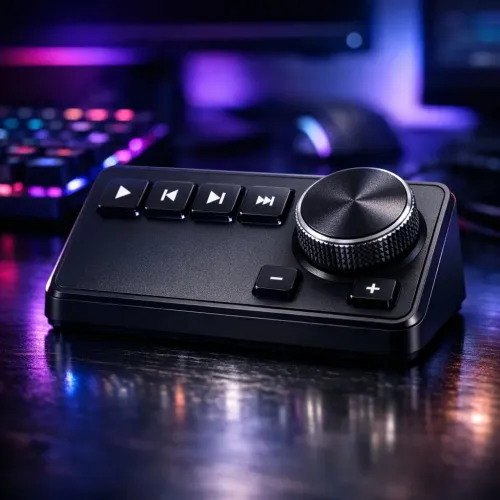
Dedicated media keys give streamers one-touch control to mute, switch scenes, clip highlights, and adjust audio — cutting task time and boosting consistency 🎛️⚡
Read more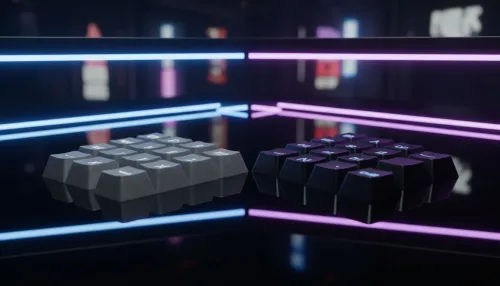
PBT vs ABS keycaps: Clear, local guide for South African gamers—compare feel, sound, durability and where to buy. Find the best material for your budget and playstyle 🎮🇿🇦
Read more
- Multi-Function Digital Dial: define benefits - Show gamer setups and macros - Offer buying and setup tips Multi-Function Digital Dial puts programmable control at your fingertips for faster actions and smoother streaming. 🎮⚙️
Read more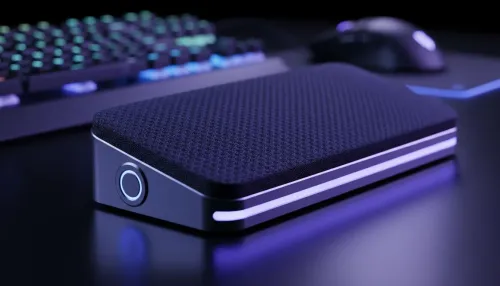
- Explain benefits; - Show the science; - Compare options; - Recommend picks. Magnetic wrist rest for gaming cuts wrist strain and boosts comfort during long sessions 🕹️✨
Read more