


Clean Gaming Keyboard: Guide for Dusty & Humid Conditions
Clean gaming keyboard quickly and safely in dusty or humid conditions with step-by-step tips, tool checklist, and maintenance routines to prevent corrosion and switch failure. 🧼💨
Read moreVertical GPU bracket can boost aesthetics and change airflow — learn if it’s worth adding to your next gaming build. Compare temps, compatibility, cost, and tips. 🎮🔧
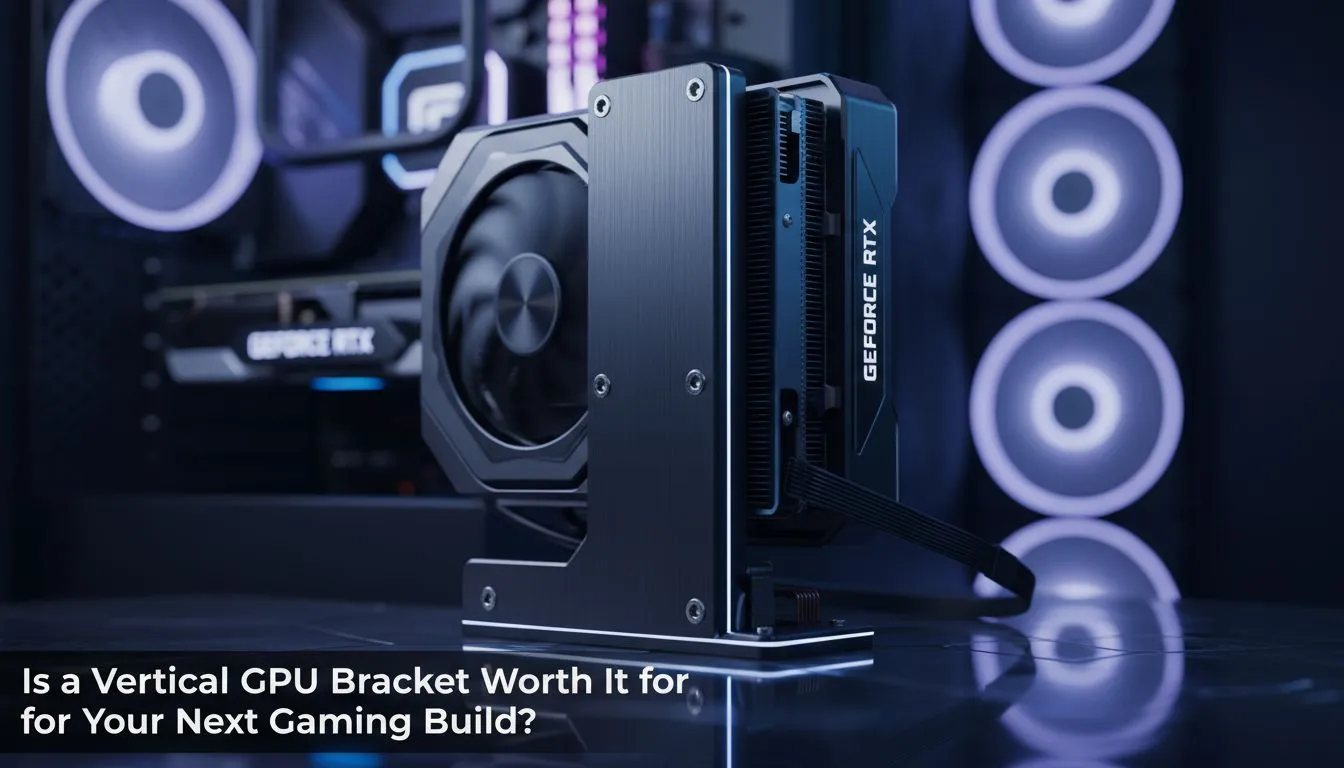
Every South African gamer knows the feeling of unboxing a high-end graphics card. You spend thousands of Rands on a component with incredible RGB and custom cooling shrouds... only to mount it face-down. It feels like a waste. This is where a vertical GPU bracket comes in. But is it just for looks... or does it actually help your build? Let's dive into the details. 🔧
The primary reason most builders in South Africa opt for a vertical orientation is purely aesthetic. Modern GPUs from brands like ASUS, MSI, and Gigabyte feature stunning lighting and intricate fan designs. When you browse the latest computer cases, you will notice that many now include dedicated slots for this very purpose. Mounting your card vertically turns it into the centrepiece of your rig... rather than just a slab of metal.
There is a common myth that vertical mounting kills your performance. While it is true that pushing a card right against the side glass can choke the fans... modern designs have solved this. High-quality Fractal Design PC cases often provide enough clearance to maintain excellent airflow. If your case is wide enough, your temps should remain within a few degrees of a standard mount. Just ensure there is at least a two-finger gap between the fans and the side panel. ⚡
When installing a vertical GPU bracket, always check your PCIe riser cable version. If you have a PCIe 4.0 motherboard and GPU, using an older PCIe 3.0 riser cable might cause boot issues or crashes. You may need to manually set your PCIe slot to Gen3 in the BIOS before installing the bracket to ensure total stability.
Beyond the looks, a vertical GPU bracket serves a practical purpose: it eliminates GPU sag. Heavier cards can put immense pressure on your motherboard's PCIe slot over time. By mounting the card vertically, the weight is distributed across the bracket and the chassis floor. Many Gamdias gaming cases offer robust internal layouts that make this transition easy and secure. It is a great way to protect your investment for the long term.
You do not need to spend a fortune to get a case that supports a vertical layout. We see many builders finding great value in Gamdias gaming cases under R1500 that still offer the internal space required for a riser kit. Whether you are building a budget beast or a high-end workstation... the choice to go vertical depends on your case's width and your desire to show off that silicon. 🚀
Ready to Show Off Your Hardware? A vertical GPU bracket is the perfect finishing touch for any custom build. Whether you are looking for a new chassis or the latest graphics cards in South Africa, we have you covered. Explore our massive range of PC cases and start building your dream rig today.
A vertical GPU bracket can improve aesthetics but may affect airflow and temps; weigh the vertical GPU bracket pros and cons like compatibility and cost.
They can—vertical GPU bracket airflow impact depends on case layout and fan placement; some setups see small temp increases while others remain unchanged.
Check case compatibility, PCIe slot layout and clearance; many tempered-glass or compact cases require specific vertical GPU bracket case compatibility.
Yes. Vertical mounts need a PCIe riser cable; choose certified riser cables to avoid signal and compatibility issues with your GPU and motherboard.
Vertical mounting typically doesn't void warranty, but avoid bending the PCB, use quality riser cables, and review your GPU manufacturer's terms first.
Installation is generally simple: secure the bracket, attach a certified riser cable, and double-check clearance and airflow when you finish.
Buy mostly for aesthetics—vertical GPU mount pros and cons show minimal performance gains; check temps first if cooling is a priority.
Clean gaming keyboard quickly and safely in dusty or humid conditions with step-by-step tips, tool checklist, and maintenance routines to prevent corrosion and switch failure. 🧼💨
Read more
Best gaming keyboard features to prioritize when building a high-end setup: mechanical switches, low latency, hot-swap, RGB, macros, durability and ergonomics 🎮⌨️
Read more
Custom actuation point keyboard setup guide: learn to set per-key actuation on your analog gaming keyboard for faster, precise inputs and better control 🎮⚙️
Read more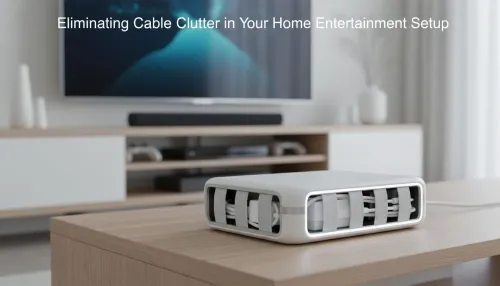
Cable management for home entertainment helps you eliminate cable clutter quickly and safely. Learn routing, concealment, and product picks to tidy your setup fast 📺🔌
Read more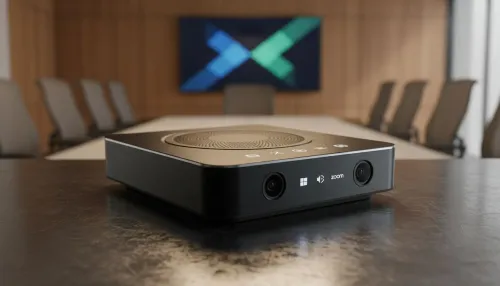
conference room setup Microsoft Teams Zoom: Upgrade AV, camera, mic, and network to ensure seamless meetings, clear audio, and crisp video 🎯🔧
Read more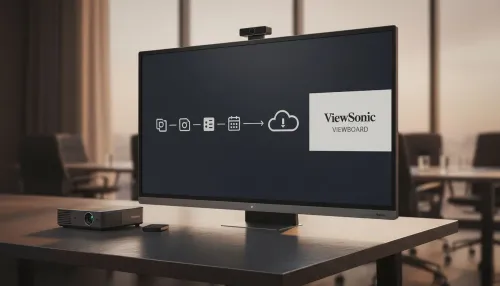
• Audit setup • Link accounts • Configure ViewBoard • Test workflows Integrate Google Workspace with ViewSonic ViewBoard to enable secure SSO, calendar and Drive sync, and smooth collaborative whiteboarding 🔗📋
Read more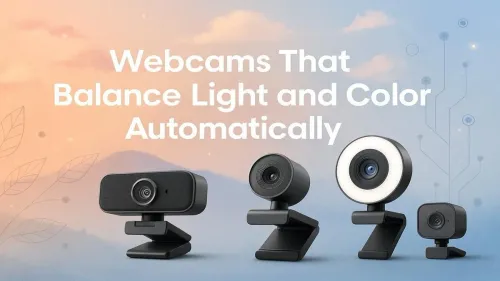
Discover webcams that automatically adjust light and color for crystal-clear video calls 🎥✨. Boost your streaming quality today!
Read more
Discover webcams that blend into your workflow 🎯 Capture moments while you work, stream, or create. Upgrade your setup with smart, multitasking tech!
Read more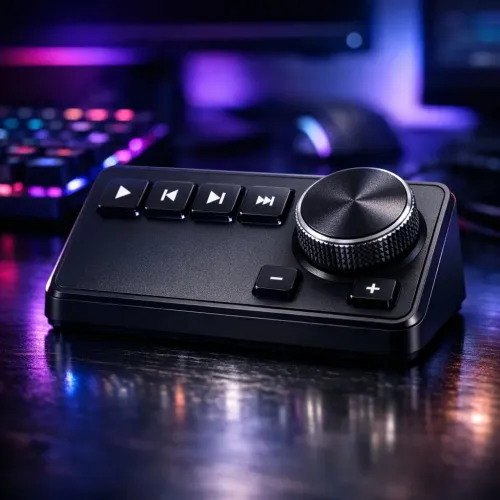
Dedicated media keys give streamers one-touch control to mute, switch scenes, clip highlights, and adjust audio — cutting task time and boosting consistency 🎛️⚡
Read more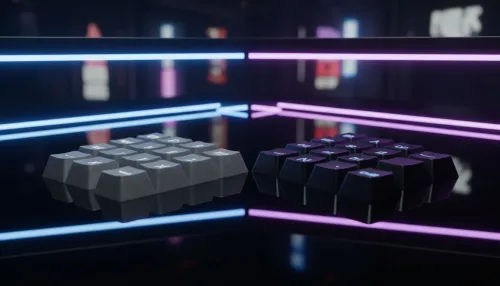
PBT vs ABS keycaps: Clear, local guide for South African gamers—compare feel, sound, durability and where to buy. Find the best material for your budget and playstyle 🎮🇿🇦
Read more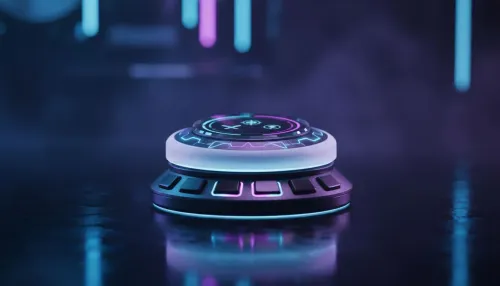
- Multi-Function Digital Dial: define benefits - Show gamer setups and macros - Offer buying and setup tips Multi-Function Digital Dial puts programmable control at your fingertips for faster actions and smoother streaming. 🎮⚙️
Read more
- Explain benefits; - Show the science; - Compare options; - Recommend picks. Magnetic wrist rest for gaming cuts wrist strain and boosts comfort during long sessions 🕹️✨
Read more