


Clean Gaming Keyboard: Guide for Dusty & Humid Conditions
Clean gaming keyboard quickly and safely in dusty or humid conditions with step-by-step tips, tool checklist, and maintenance routines to prevent corrosion and switch failure. 🧼💨
Read moreChecklist: 1) Plan nodes; 2) Optimize placement; 3) Secure network. Whole home mesh WiFi delivers reliable coverage to every room—step-by-step setup, placement tips, and simple fixes. 🔧📶

Tired of your WiFi dropping while you are clutching a 1v1 in the bedroom? We have all been there. South African homes, with their thick brick walls, are notorious for creating frustrating "dead zones." If you want to stop the lag and start enjoying 4K streaming in every corner, it is time to look at Whole Home Mesh WiFi. Let’s get your signal sorted.
Dead zones are the enemy of any modern household. Whether you are working from home or trying to climb the competitive ranks in your favourite shooter, a patchy connection is unacceptable. Traditional setups often struggle with the heavy concrete and brick used in local architecture. These materials absorb signals faster than a dry sponge. By investing in modern wireless networking gear, you can eliminate those annoying drops for good.
Unlike a single router trying to scream through three walls, a mesh system uses multiple nodes to "blanket" your property. It creates a single, unified network that follows you as you move.
Your internet journey starts at the entry point of your home. Most standard ISP units are basic at best. Upgrading to high-performance fibre routers ensures your base signal is strong from the source. From there, a mesh system creates a "web" of connectivity.
Avoid hiding your mesh nodes inside cupboards or behind TVs. Signal waves struggle to pass through electronics and metal. Place your nodes on open shelves at roughly head height. This simple change can boost your coverage by up to 30% without spending a cent.
In the past, many users turned to wireless range extenders to fix reach issues. While useful for small areas, they often create separate network names and halve your speed. Mesh technology avoids this by using a dedicated backhaul to keep your speeds consistent across the entire house.
Setting up Whole Home Mesh WiFi is surprisingly simple. You place the primary node near your fibre box. Then, you scatter satellite nodes around the house. For those on a budget, high-end wireless routers with Mesh support are a great starting point.
You should aim to place a node every two to three rooms. This ensures that even if one node is blocked by a heavy wall, another can pick up the slack. Most modern systems use an app to guide you through the process, making it nearly impossible to get wrong.
Don't forget the receiving end of the signal. Even the best mesh network can be bottlenecked by old hardware. If your desktop PC or laptop is in a far corner, it might need a boost. Using dedicated wireless adapters can significantly improve your ping and download speeds.
With kits starting from around R1,500 ZAR, the investment pays for itself in saved frustration. No more standing by the window to get a signal... just pure, high-speed internet wherever you choose to sit. 🚀
Ready to Kill the Dead Zones? Lag is a choice, not a lifestyle. If you are tired of your WiFi failing when it matters most, it is time to upgrade your home network. Explore our massive range of networking specials and find the perfect kit to conquer your digital world.
Unbox nodes, place the primary near your modem, add satellite nodes using the app, update firmware, and test coverage. Follow a mesh wifi setup guide for specifics.
Start with one node per 1,000–1,500 sq ft and add where signal drops. Large homes often need 3+ nodes for consistent whole home coverage.
Place nodes centrally, high, and in open spaces between dead zones. Avoid thick walls and appliances; optimize mesh wifi placement for stronger coverage.
Yes. Use ethernet backhaul for faster, more reliable links between nodes—especially for high-bandwidth uses and mesh wifi performance tuning.
Change default admin credentials, enable WPA3/WPA2, update firmware, disable WPS, and use strong passwords to secure mesh wifi network setup.
Yes. Properly placed nodes and backhaul reduce latency and buffering. Use QoS and performance tuning to prioritize gaming and streaming traffic.
Reboot nodes, check firmware, reposition nodes, enable ethernet backhaul, and run a speed map. Follow mesh network troubleshooting tips to isolate issues.
Clean gaming keyboard quickly and safely in dusty or humid conditions with step-by-step tips, tool checklist, and maintenance routines to prevent corrosion and switch failure. 🧼💨
Read more
Best gaming keyboard features to prioritize when building a high-end setup: mechanical switches, low latency, hot-swap, RGB, macros, durability and ergonomics 🎮⌨️
Read more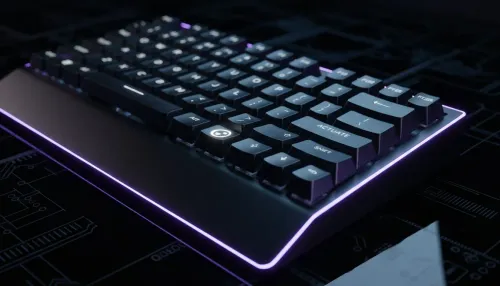
Custom actuation point keyboard setup guide: learn to set per-key actuation on your analog gaming keyboard for faster, precise inputs and better control 🎮⚙️
Read more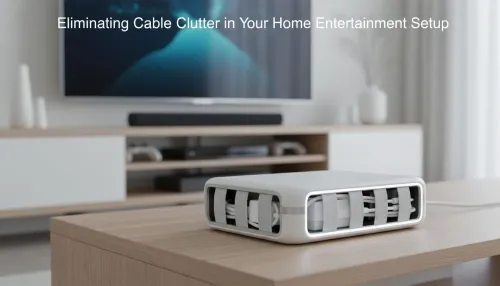
Cable management for home entertainment helps you eliminate cable clutter quickly and safely. Learn routing, concealment, and product picks to tidy your setup fast 📺🔌
Read more
conference room setup Microsoft Teams Zoom: Upgrade AV, camera, mic, and network to ensure seamless meetings, clear audio, and crisp video 🎯🔧
Read more
• Audit setup • Link accounts • Configure ViewBoard • Test workflows Integrate Google Workspace with ViewSonic ViewBoard to enable secure SSO, calendar and Drive sync, and smooth collaborative whiteboarding 🔗📋
Read more
Discover webcams that automatically adjust light and color for crystal-clear video calls 🎥✨. Boost your streaming quality today!

Discover webcams that blend into your workflow 🎯 Capture moments while you work, stream, or create. Upgrade your setup with smart, multitasking tech!
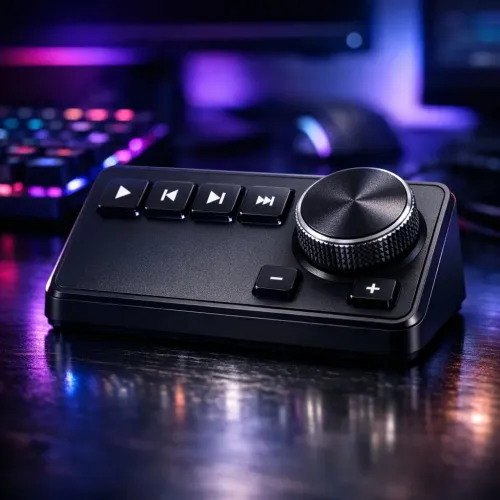
Dedicated media keys give streamers one-touch control to mute, switch scenes, clip highlights, and adjust audio — cutting task time and boosting consistency 🎛️⚡
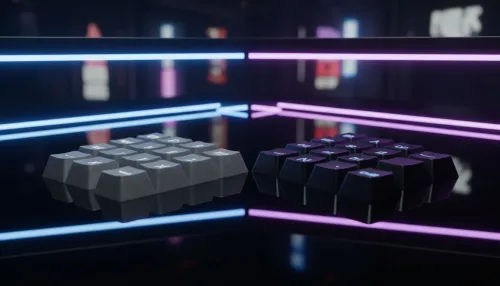
PBT vs ABS keycaps: Clear, local guide for South African gamers—compare feel, sound, durability and where to buy. Find the best material for your budget and playstyle 🎮🇿🇦

- Multi-Function Digital Dial: define benefits - Show gamer setups and macros - Offer buying and setup tips Multi-Function Digital Dial puts programmable control at your fingertips for faster actions and smoother streaming. 🎮⚙️
- Explain benefits; - Show the science; - Compare options; - Recommend picks. Magnetic wrist rest for gaming cuts wrist strain and boosts comfort during long sessions 🕹️✨