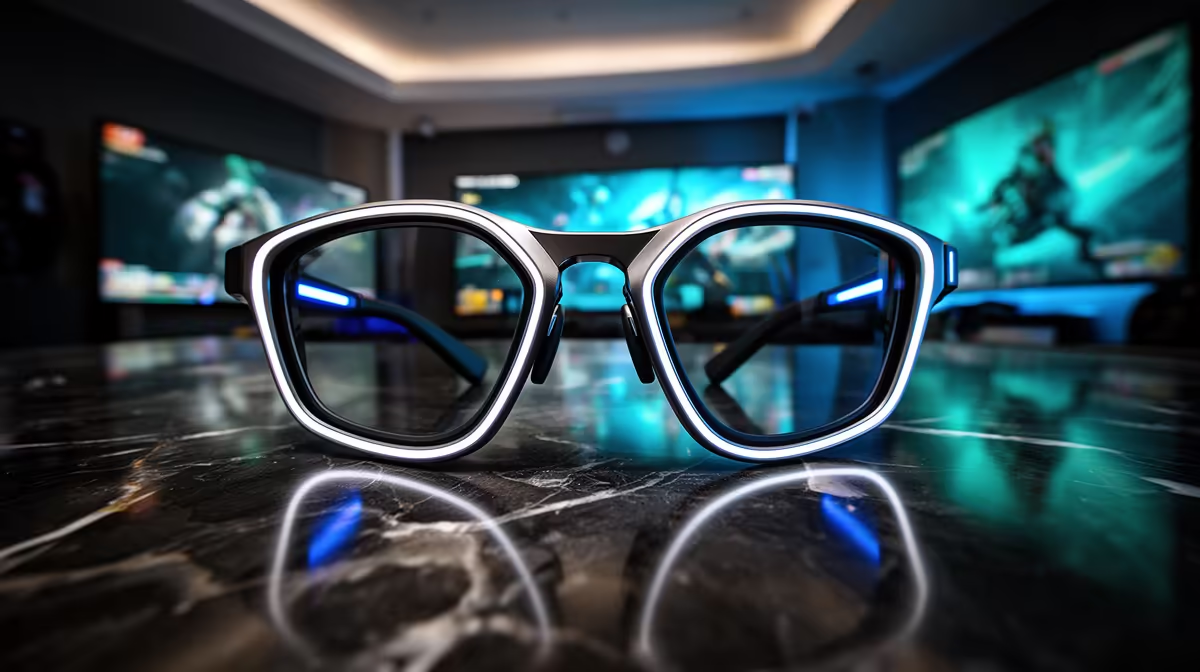
The three biggest names in tech are all building AI glasses, but they are arriving on wildly different schedules. Meta already has product on faces today. Google's Gemini-powered glasses land this year. Apple is bringing up the rear. If you are weighing the smart glasses race between Apple, Ray-Ban Meta and Gemini, the single most useful fact is timing: one is shipping now, one ships in 2026, and one is not expected until late 2027.
Quick Answer
Ray-Ban Meta is the only one you can actually buy and wear today, with a new Gen 3 lineup arriving in late 2026. Google's Gemini-powered Android XR glasses, built with partners like Warby Parker and Gentle Monster, are due later in 2026. Apple's first glasses are reported for late 2027, making Apple the last of the big three to enter the category.
Ray-Ban Meta: Already On The Market
Meta has the clear head start. Its Ray-Ban glasses are a real, shipping product, and the company is unveiling a third generation at its September Connect event with two new frame styles: a thicker sunglasses design and a lighter frame aimed at prescription wearers. The headline upgrades are a faster chip and a Live AI mode that runs for hours instead of cutting out after roughly half an hour, which was a real limitation on earlier models.
What makes the Meta glasses interesting is that they are not trying to be a tiny computer on your face. They are camera, audio and AI assistant in a normal-looking frame, which is exactly why they have found buyers. For a sense of where this category of wearable sits, the AR glasses section at Evetech is the place to track what reaches the South African market.
Gemini Glasses: Google's 2026 Play
Google is coming at this through Android XR and its Gemini assistant. Rather than build a single flagship, Google has lined up eyewear brands, with the first Gemini-powered glasses from partners like Warby Parker and Gentle Monster expected later in 2026. Notably, those first devices are reported to launch without a display, focusing on voice and AI rather than a heads-up screen.
That puts Gemini glasses squarely between Meta and Apple on timing. They are the natural choice for anyone already living inside Google's ecosystem, and the brand partnerships suggest Google wants these to look like fashion eyewear first and gadgets second. A luxury collaboration is also reported for 2027, signalling Google intends to play across multiple price tiers.
Apple: Last To Arrive, In Late 2027
Apple is the one to wait on rather than buy. Reports point to a first pair of Apple glasses arriving in late 2027, after development delays pushed the timeline back from an earlier target. The glasses are described as having distinctive camera placement, unusual colour options and multiple frame styles, which fits Apple's usual approach of arriving late but tightly integrated.
The pattern is familiar from past Apple launches: let rivals define the category, then enter with deep ties to the iPhone and a polished experience. The trade-off is obvious. If you want smart glasses in the next year, Apple is simply not an option yet.
Which One Fits You
The choice mostly comes down to when you want a product and which ecosystem you already use. Meta is the pick if you want something now and care about camera and audio in a normal frame. Gemini glasses suit Android and Google users willing to wait until later in 2026 for a more assistant-led device. Apple is for the patient iPhone loyalist prepared to hold out until late 2027. Across all three, frame comfort, battery life and how naturally the AI responds will matter more day to day than the spec sheet. To keep an eye on what actually lands locally and at what price, the fast-moving accessories list at Evetech is worth checking as the category fills out.
Frequently Asked Questions
Which smart glasses can I buy right now?
Ray-Ban Meta is the only one of the three available today, with a refreshed Gen 3 lineup arriving later in 2026. Gemini glasses are due later this year and Apple's are not expected until late 2027.
Do Gemini glasses have a screen?
The first Gemini-powered glasses are reported to launch without a display, leaning on voice and the Gemini assistant rather than a heads-up screen. Display-equipped models are likely to follow later.
Why is Apple so far behind?
Apple's glasses faced development delays that pushed the launch to a reported late 2027. It is a deliberate, ecosystem-tight approach, but it does mean Apple is the last of the three big platforms to ship.
Are smart glasses worth buying in 2026?
This is the first year the category looks like a real consumer product rather than an experiment. If you value the camera, audio and hands-free AI in a normal frame, Meta's glasses are a genuinely usable option today.
Want to follow the smart glasses race as it reaches South Africa? Keep tabs on the AR glasses range at Evetech and see which platform lands locally first.