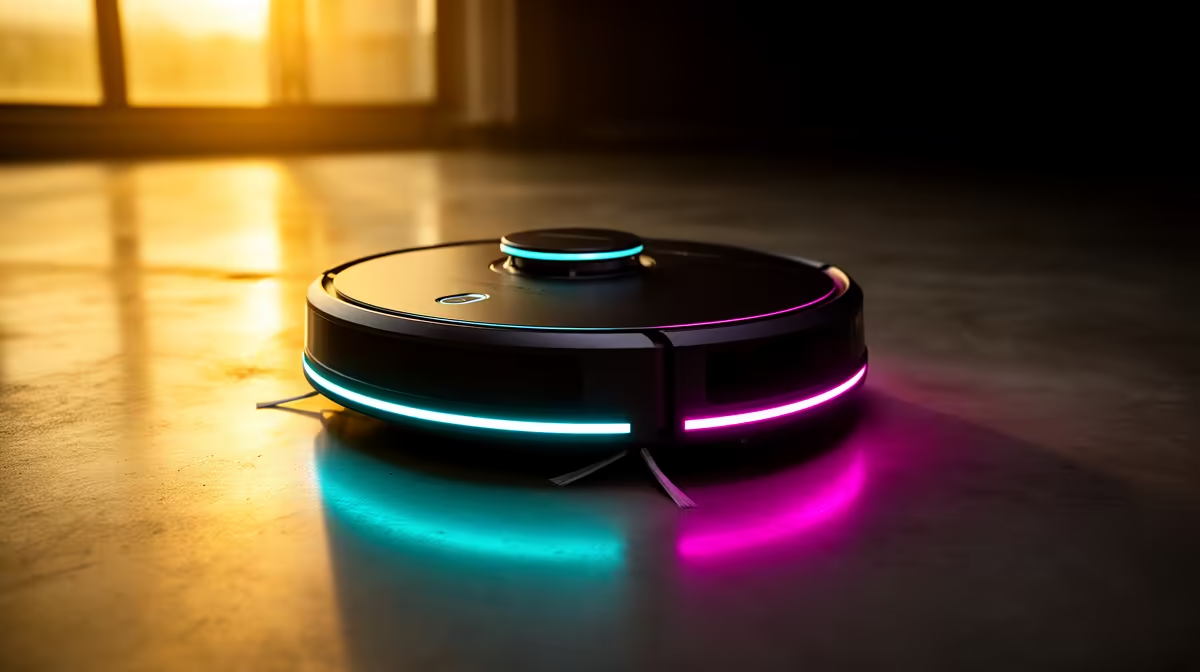
The early robot vacuums that bumped around your skirting boards and got stuck under the couch gave the whole category a reputation for being more gimmick than help. The 2026 generation has quietly buried that reputation. Stronger suction, cameras and sensors that actually steer around obstacles, and docks that empty and clean themselves have turned these machines from novelty into a genuine time-saver for busy homes.
Quick Answer
Yes, robot vacuums are worth it in 2026 for most busy households. Current models deliver far stronger suction, AI-driven obstacle avoidance, and self-emptying docks that the early generations never had, which means real hands-off daily cleaning. The value case is strongest if you want consistent floor maintenance without lifting a finger.
What Changed Since the Early Models
The gap between a 2026 robot vacuum and one from a few years ago is enormous, and it shows up in three areas that matter every day.
Suction has climbed dramatically. Modern units pull dust, grit, and pet hair out of both hard floors and low-pile rugs rather than skating over the top of them. The cleaning is no longer a token effort; it is a real clean between your deeper manual sessions.
Navigation is the bigger leap. Older robots wandered semi-randomly and got wedged under furniture. Current models use cameras and sensors to map your home, plan efficient routes, and recognise and steer around obstacles like cables, shoes, and pet messes. Fewer rescues, more actual cleaning.
The dock is the convenience that seals it. Self-emptying bases tip the robot's bin into a larger sealed bag, so you go weeks rather than days between touching dust. Higher-end docks also wash and dry mop pads automatically.
Where the Value Lands Hardest
A robot vacuum earns its keep most in specific situations, and it is worth being honest about who benefits most.
- Busy households: if nobody has time to vacuum daily, a robot maintaining the floors every day is genuine value, not a luxury.
- Pet owners: continuous management of shed hair between deep cleans is one of the strongest cases for owning one.
- Open, hard-floor homes: large, relatively clear floor plans let the robot work efficiently and cover ground fast.
- Allergy-sensitive homes: daily dust pickup keeps allergen build-up lower than weekly manual cleaning alone.
For these homes, the time saved across a year adds up to far more than the once-off cost of the machine. You can see the current options in the smart home appliances range at Evetech and match a model to your floor type and home size.
The Honest Limitations
A robot vacuum is a maintenance tool, not a total replacement for a proper vacuum. It will not deep-clean thick carpet the way an upright does, it cannot manage stairs, and very cluttered rooms still trip up even the best navigation. Homes with lots of cables, small toys, or loose clutter need a quick tidy before the robot runs to get the best result.
There is also light upkeep. You still empty the dock bag periodically, clean brushes and sensors, and replace consumables like filters and side brushes over time. None of this is heavy, but it is fair to know a robot vacuum is not entirely fit-and-forget. Treat it as a daily helper that handles the routine work so your manual deep cleans happen less often.
Choosing One That Is Actually Worth It
If the value case fits your home, focus your spend on the features that matter. Strong suction handles real dirt and pet hair. Good camera-and-sensor navigation is what separates a helper from a hazard, so do not skimp there. A self-emptying dock is the single feature that makes the experience genuinely low-effort. Mopping is a useful bonus on hard floors, but only worth paying for if your home suits it. For broader inspiration on connected home gear that pairs well with a robot vacuum, the accessories best sellers list is a good place to browse.
Spend on navigation and the dock first, and the machine repays you in reclaimed time every single week.
Frequently Asked Questions
Are robot vacuums good for pet hair?
Yes. Modern models have far stronger suction and brushes designed to manage shed hair, and they run daily, so they keep pet hair under control between your deeper manual cleans. Pet owners are among the biggest beneficiaries.
Do robot vacuums replace a normal vacuum?
Not entirely. They excel at daily maintenance on hard floors and low-pile rugs, but they cannot deep-clean thick carpet or do stairs. Think of one as a helper that reduces how often you need the full vacuum.
What does a self-emptying dock actually do?
The dock empties the robot's small bin into a larger sealed bag, so you only deal with dust every few weeks instead of after every clean. Premium docks also wash and dry the mop pads automatically.
Will a robot vacuum get stuck on cables and clutter?
Far less than older models. Current units use cameras and sensors to recognise and avoid obstacles, though very cluttered rooms still benefit from a quick tidy first. Good navigation is the feature to prioritise.
Are robot vacuums worth it for small homes?
They can be, especially if you are busy or have pets, though the time saving is largest in bigger homes. For compact, hard-floor spaces a mid-range model with solid navigation usually offers the best balance.
Want your floors handled while you get on with your day? Explore the smart home range at Evetech, compare suction, navigation, and self-emptying docks, and pick a robot vacuum that genuinely fits your home and your budget.