




Chrome change search engine: Set the address-bar default deliberately
Chrome change search engine settings control ordinary address-bar searches. Check site shortcuts and managed-browser rules if the wrong provider keeps returning.
Read moreChrome block pop ups settings can stop unwanted windows while allowing a trusted site that needs one. Keep the exception specific instead of allowing every site.

A login button opens nothing, so you allow pop-ups everywhere. That fixes one page while leaving every other site with broader permission than it needs. Chrome offers a more precise choice: keep the block and allow the particular site you trust.
Chrome block pop ups controls are in Settings, Privacy and security, Site settings, then Pop-ups and redirects. The built-in setting costs R0. Keep automatic pop-ups blocked and add a narrow exception only for a verified site that needs a new window. Persistent ads, notifications and page overlays can require different checks.
First distinguish a separate browser window from a message drawn inside the page. A pop-up rule cannot remove every banner or overlay a website displays. A notification near the desktop edge is another behaviour again, controlled through the site's notification permission rather than the pop-up switch.
Read the address of the page you intended to use. If a trusted sign-in or document feature needs a window, check whether Chrome shows that it blocked one. Avoid changing permissions because an unsolicited warning tells you to. A page claiming your computer is infected is not proof of an actual system diagnosis.
Open the Pop-ups and redirects settings and review the default. Keep the general block in place. For a feature you deliberately requested from a known site, use the site's exception rather than allowing every address. Match the exception to the genuine site; a similar-looking name is not the same destination.
Retry the original action once. If the expected login or document window opens, complete your intended task and review whether the exception is still needed. If nothing changes, undo the unnecessary exception and investigate the actual symptom. Repeatedly widening permissions can make the situation harder to understand without solving it.
If new tabs keep returning, the search provider changes unexpectedly or unfamiliar extensions reappear, do not assume one pop-up permission explains everything. Follow the browser's unwanted-software guidance and inspect what was recently installed. Keep a note of when the behaviour began and which site was open.
Do not install a cleaner offered by the same alarming page. On a managed computer, involve the responsible support team. A useful report includes the genuine site address, whether the problem appears on other sites and the browser version, without sharing private account pages or credentials.
Blocking a window does not establish that your internet connection is slow or that a router has failed. wireless routers is relevant when you have a separate, demonstrated networking need. Buying one cannot choose the correct browser permission on your behalf.
Likewise, compare all laptops on special for a computer requirement rather than a single blocked sign-in window. The browser setting is free. The best first result is simply that the trusted feature works while unrelated sites retain the stricter default.
No. The pop-up control concerns windows and redirects. Page banners, overlays and notification alerts are different behaviours.
Keep the default block and use a narrow trusted-site exception when a feature genuinely needs one.
A needed window may be blocked, but that is only one possibility. Check the browser's blocked-window indication and the genuine site address.
Website notifications have their own permission. Changing pop-up rules is not the same as blocking notification access.
Review unfamiliar extensions and unwanted software through the proper support process. One site exception may not explain persistent behaviour.
No. Chrome's built-in pop-up and redirect controls cost R0. Start there before adding more software.
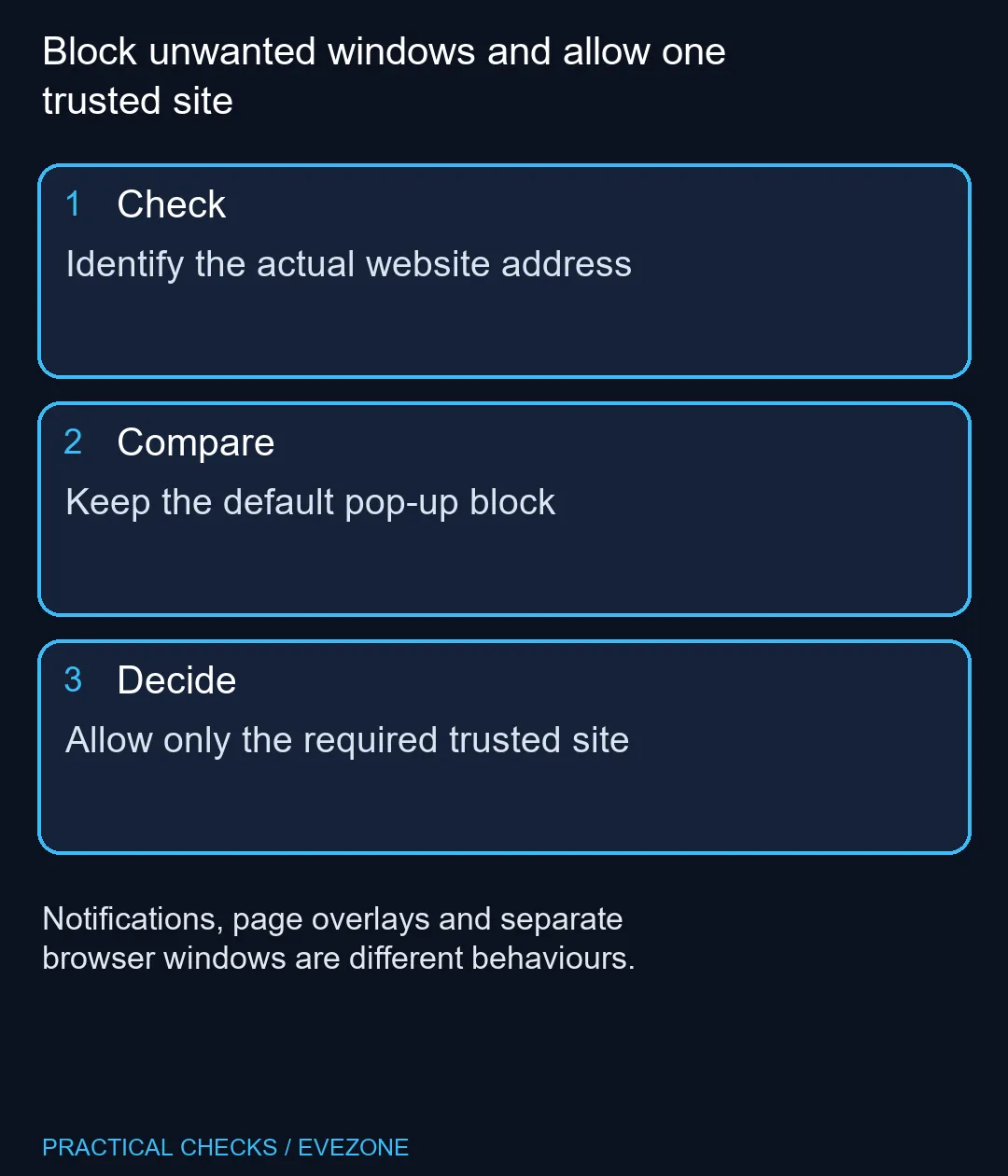
Block unwanted windows and allow one trusted site Identify the actual website address.
No. The pop-up control concerns windows and redirects. Page banners, overlays and notification alerts are different behaviours.
Keep the default block and use a narrow trusted-site exception when a feature genuinely needs one.
A needed window may be blocked, but that is only one possibility. Check the browser's blocked-window indication and the genuine site address.
Website notifications have their own permission. Changing pop-up rules is not the same as blocking notification access.
Review unfamiliar extensions and unwanted software through the proper support process. One site exception may not explain persistent behaviour.
No. Chrome's built-in pop-up and redirect controls cost R0. Start there before adding more software.
Chrome change search engine settings control ordinary address-bar searches. Check site shortcuts and managed-browser rules if the wrong provider keeps returning.
Read more
Chrome task manager helps identify resource-heavy pages and extensions. Save your work, compare the busy task and close it before deciding you need more RAM.
Read more
Chrome reset settings restores browser defaults while keeping saved bookmarks and passwords. Record essential extensions and preferences before confirming the reset.
Read more
Chrome turn off notifications works through website permissions. Block the noisy site's notification access before muting every browser alert or changing PC sound.
Read more
A discord stream black screen needs a capture-versus-viewer check. Test a harmless shared window before changing drivers, hardware or several settings at once.
Read more
Chrome export passwords creates a sensitive transfer file. Import it into the intended password manager, test access and remove the unencrypted copy.
Read more
Chrome translate not working often needs a page refresh or language-setting check. Test one foreign-language page before changing broader browser settings.
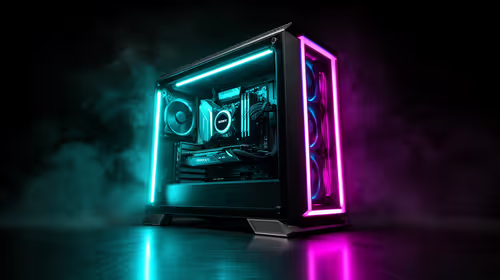
Expedition 33 at R40,000 needs a balanced SA build plan, not a fixed FPS promise. Use the budget as a planning cap, then compare CPU, GPU, RAM, storage, cooling, case fit, and upgrade room before buying.
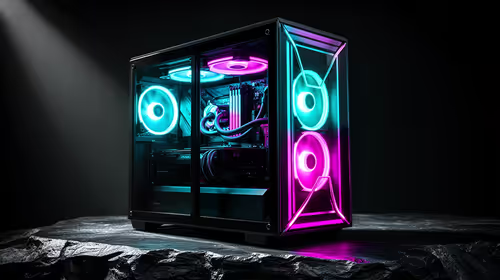
Best place to buy a gaming PC in Durban North should be shortlisted around the job it must do. South African buyers should compare fit, performance, compatibility, and upgrade room, warranty path, and upgrade room before treating any pick as best.
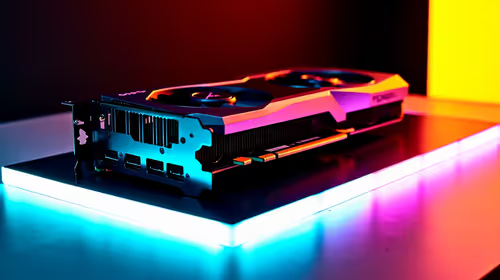
Expedition 33 low FPS on RTX 5060 settings and driver checks start with frame caps, scaling, and drivers. SA gamers can compare CPU limits, overlays, and heat before cutting image quality or changing hardware.
Chrome translate not working often needs a page refresh or language-setting check. Test one foreign-language page before changing broader browser settings.

Check when Chrome saves power, compare a repeatable task on battery and separate browser changes from battery health and Windows settings.

Find Chrome's caption control, check language and audio and bring back the floating bubble when captions disappear during playback.

Open the simplified Chrome reader, adjust type and spacing and check whether the page supports the view before changing your display setup.
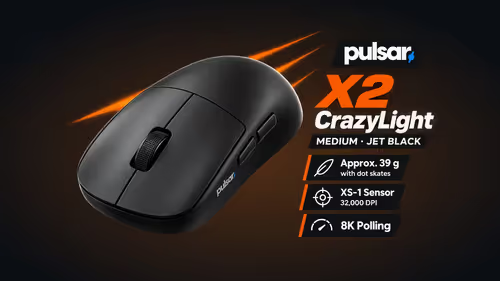
The Pulsar X2 CrazyLight's low hump lets a claw grip sit flat, and its wide waist keeps the sides broad. Evetech buyers who game at a shared flat table get a symmetrical shell for tight arm room.
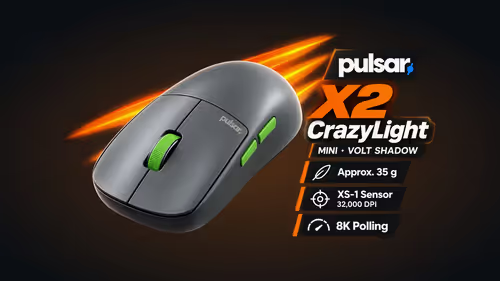
A 35g Pulsar X2 CrazyLight Mini lifts and resets easily on a small res room desk. With little pad space for low-sensitivity aim, its 115.6mm shell also sits under a claw hand without crowding.
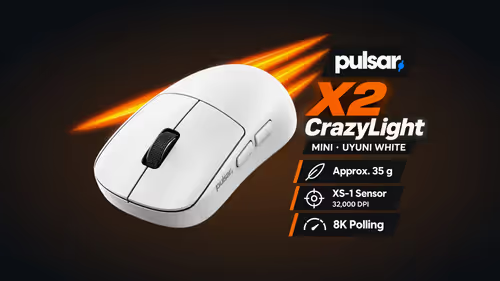
The 115.6mm Pulsar X2 CrazyLight Mini suits fingertip grip because the shell ends close to the knuckles. Evetech lists it for claw and fingertip at 35g, so it also packs light for a campus LAN.
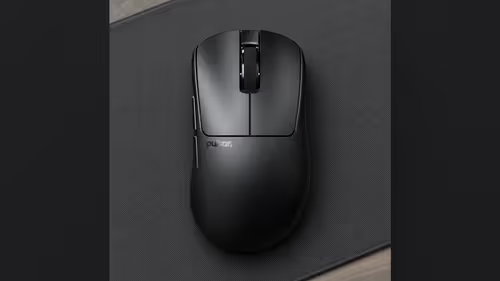
No: the Pulsar Xlite CrazyLight Mini is just 6.4mm shorter and 2.6mm narrower than the Medium. Palm-grip hands near the size line can go either way, and Evetech sells online only, so measure your palm with a tape first.