



Mouse cursor moving on its own? Isolate the input
Disconnect the mouse first, then check for pointer movement from another input. Check the tracking surface and separate the mouse from the touchpad before ordering a replacement.
Read moreSelect the TV or HDMI audio device in Windows Sound settings. Get laptop sound onto a TV before buying an adapter, cable or speaker.
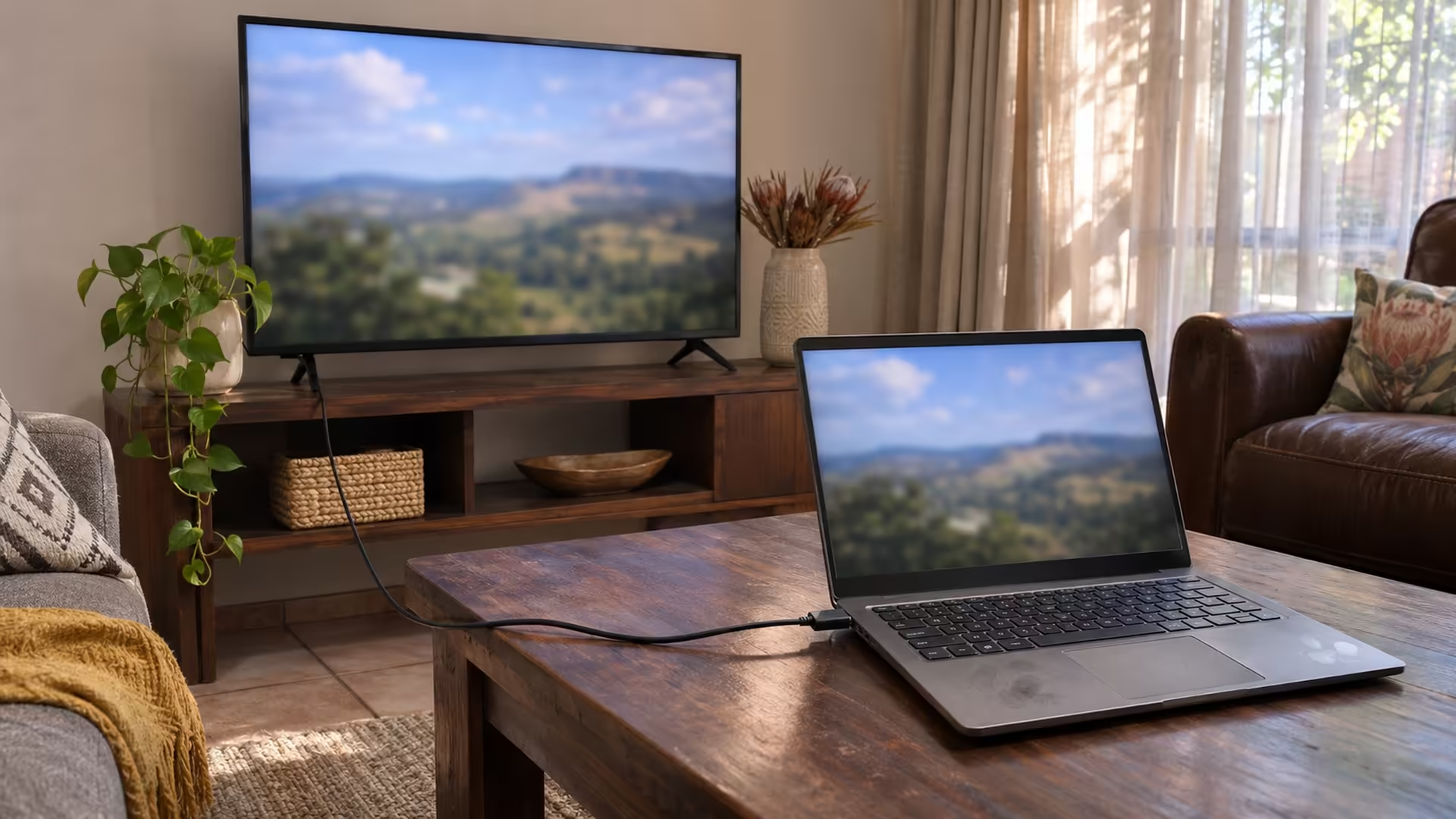
The TV shows your Windows laptop's picture, but the sound still comes from the laptop. Start in Windows Sound settings with the cable connected. Windows may have kept its previous playback output, and the TV can show video while audio still goes to a different device.
In Windows, open Settings > System > Sound and pick the TV or HDMI device under Output. Play an ordinary clip to test it. This costs R0. If the TV is missing from the list, reconnect it directly and check for its audio device in Device Manager.
Turn the TV on and choose the HDMI input that shows the laptop. Open Sound settings and find the active output name. It might use the TV model, the display brand or a digital audio label. Pick the connected display, set a modest volume, and play a short clip you can hear through the laptop speakers first.
Check the volume on the TV as well as the Windows master volume. If most apps play through the TV but one stays on the laptop, open the volume mixer while that app is running and check its settings. Close and reopen the app if it held onto its previous audio device.
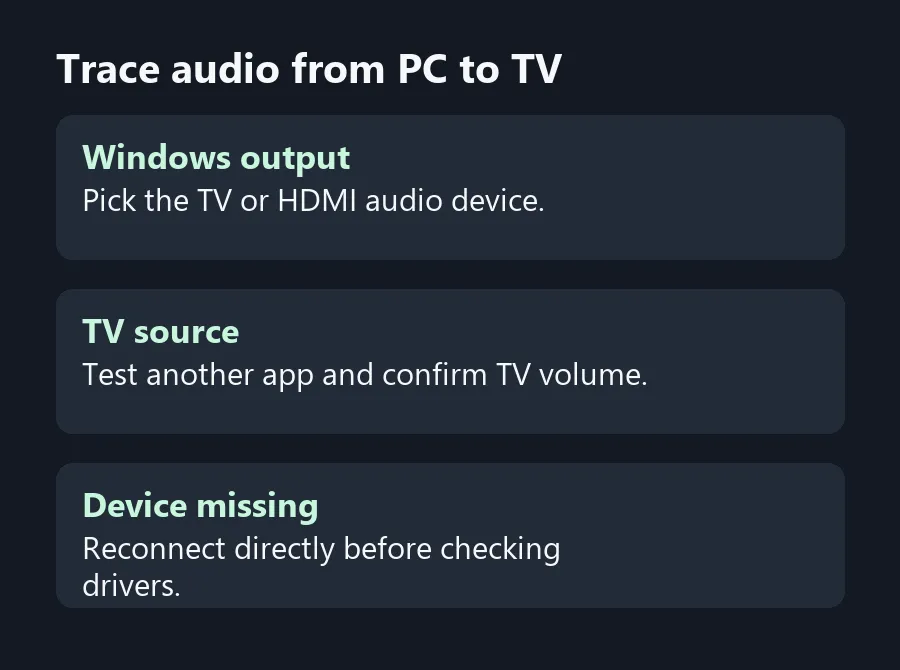
If the TV does not appear as an output, note whether you're using a direct cable, a dock or an adapter. Try a direct HDMI connection if the laptop has that port. Leave the TV on the intended input while you reconnect. Search Device Manager under Sound, video and game controllers for missing or disabled devices. Match any replacement driver to the exact PC or graphics hardware and the Windows version.
Test the same TV input with another source that you know sends sound. If that source is silent too, use the TV's sound settings and verify its chosen speaker output. A display with no built-in speakers can appear as an audio device, so check its manual before treating silence as a Windows defect.
If you use a monitor in place of a TV and it lacks speakers, choose laptop audio or compare Speakers for the connection the computer has. If a cable or port fails a repeat test with known-good equipment, that result gives you a reason to change the connection. Check the port label before ordering anything from an unfamiliar listing.
If you're comparing All Laptops on Special to use at a shared TV in a meeting room, check whether the exact model has a full-size HDMI port or needs an adapter. A straightforward connection makes this troubleshooting easier when several people use the display.
Windows can use the TV for video while keeping another playback device selected. Choose the TV under Sound output.
Check it alongside the Windows volume. A muted setting on either device can silence playback.
Open the Windows volume mixer while the app is running and check its output. Restart the app after a change if needed.
No. Check the monitor's specification and select a playback device that actually produces sound.
Try the Windows output first. Test a known-good cable and direct connection if the device never appears.
Use the support page for the exact laptop or GPU, and match the Windows version.
Trace audio from PC to TV Get laptop sound onto a TV before buying an adapter, cable or speaker.
Windows can use the TV for video while keeping another playback device selected. Choose the TV under Sound output.
Check it alongside the Windows volume. A muted setting on either device can silence playback.
Open the Windows volume mixer while the app is running and check its output. Restart the app after a change if needed.
No. Check the monitor's specification and select a playback device that actually produces sound.
Try the Windows output first. Test a known-good cable and direct connection if the device never appears.
Use the support page for the exact laptop or GPU, and match the Windows version.
Disconnect the mouse first, then check for pointer movement from another input. Check the tracking surface and separate the mouse from the touchpad before ordering a replacement.
Read more
Check the document feeder for automatic duplex scanning before buying a colour laser all-in-one. Check the scanner and exact toner codes before budgeting in rand for a shared office printer.
Read more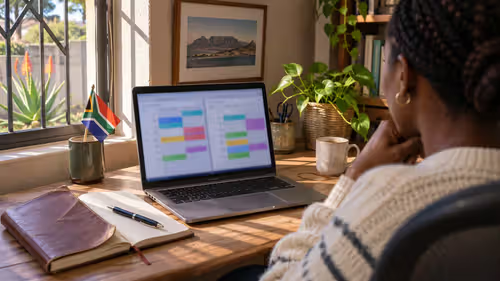
Use a secondary zone in Google Calendar to display your client time beside Johannesburg. Use SAST alongside a client's local time without shifting existing events.
Read more
Use webmail to see if the same mailbox can still send and receive. Find out whether mail trouble follows the account or the desktop app before replacing equipment.
Read more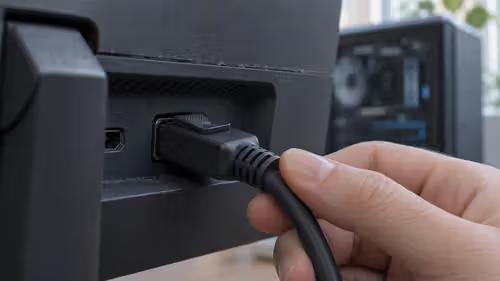
Wake the PC, select DisplayPort and reseat the cable before changing the monitor sleep setting. Test the monitor's sleep setting and video path before replacing the screen.
Read more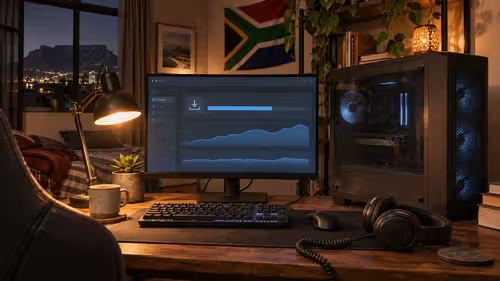
If disk activity and progress continue, let the Steam patch keep running. Separate game patching from a slow fibre connection before spending on storage or a faster line.
Read more
On Android, check whether the ad comes from a website notification, a browser pop-up or an installed app. Turn off the site's notification permission or check the app responsible for ads outside the browser. These checks cost R0 and work without installing.

Start with the main camera in good light and try 4K at 30 fps for everyday detail. Choose 4K at 60 fps when you want smoother motion and have enough light and storage. Changing the settings and testing a clip costs R0.
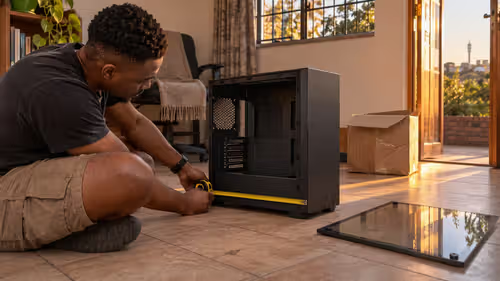
Compare the XPG INVADER X MINI Chroma's included fans, motherboard support and component clearances with a case you can buy locally. Evetech had the white Gamdias AURA GC1 Elite ATX case listed in stock at R349 on 20 November, with four fans in its listing. That.
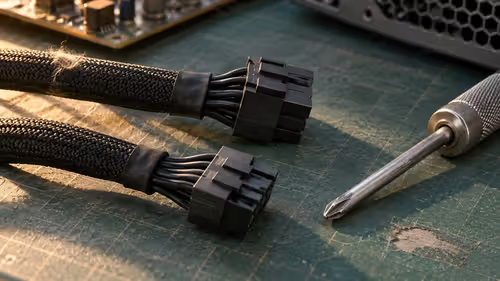
Seasonic has teased the 3,200W PRIME ENTERPRISE PX-3200 with six 12V-2x6 GPU connectors for multi-GPU workstations. For a gaming build, use the power recommendation and connectors for your exact graphics card and processor. Evetech's 20 November in-stock.

A good mid tower earns its place through airflow, part clearance and cable room, not through looks or a glass side panel. Check GPU length, cooler height and fan mounts first. Mid tower cases here run from R499 to R7,299.

Press Win+R, type netplwiz and untick Users must enter a user name and password. If that box is missing, switch off Require Windows Hello sign-in in Settings, Accounts, Sign-in options first. Only do this on a PC no one else can reach.

Lower the power limit a little in MSI Afterburner, or set a custom voltage-frequency curve, to cool and quiet a GPU. Change one step at a time and test each change. Undervolting helps most in warm SA rooms, where a few watts saved keeps fans quiet.

Bad 1% lows mean short frame rate dips you can feel even when the average looks fine. Common causes are a CPU limit, slow or single-channel RAM, VRAM overflow, background tasks and shader compiling. Measure first, then change one thing at a time.

The RX 6700 XT brings 12GB of VRAM; the RTX 3070 brings 8GB, DLSS and stronger ray tracing. Both are rated near 220 to 230W, so one PSU suits either. A Radeon card in the R9,999 to R19,999 band sets the AMD budget.

The RX 580 has more video memory but draws far more power; the GTX 1650 runs from the slot alone on most models. That makes the 1650 the safer drop-in for weak office power supplies, while the RX 580 wants proper PCIe leads and a roomier case.

The best earbuds are the ones that fit your ears, work with your phone and suit how you use them. List your main uses, then check fit, battery, noise cancelling and call quality. Local earbuds span roughly R199 to R3,999, so decide your ceiling early.

Back up, shut down, unplug the charger, open the base and swap the drive. Then clone the old disk or reinstall Windows. Check whether your laptop takes a 2.5-inch SATA drive or an M.2 stick, because the two are not interchangeable.