Two uncapped internet plans can run at different speeds after a month of downloads. The word tells you about the plan's data allowance. Before you move a household onto a new plan, check what happens to a large update or a video call after everyone has been using it for a few weeks.
Quick Answer
Uncapped WiFi means your home internet plan has no fixed data cap. The plan can still have a speed limit or a fair usage policy. Check the exact package for any usage threshold, what changes after it and when full speed returns. Reading the terms costs R0.
🧾 Compare what each plan promises at the address
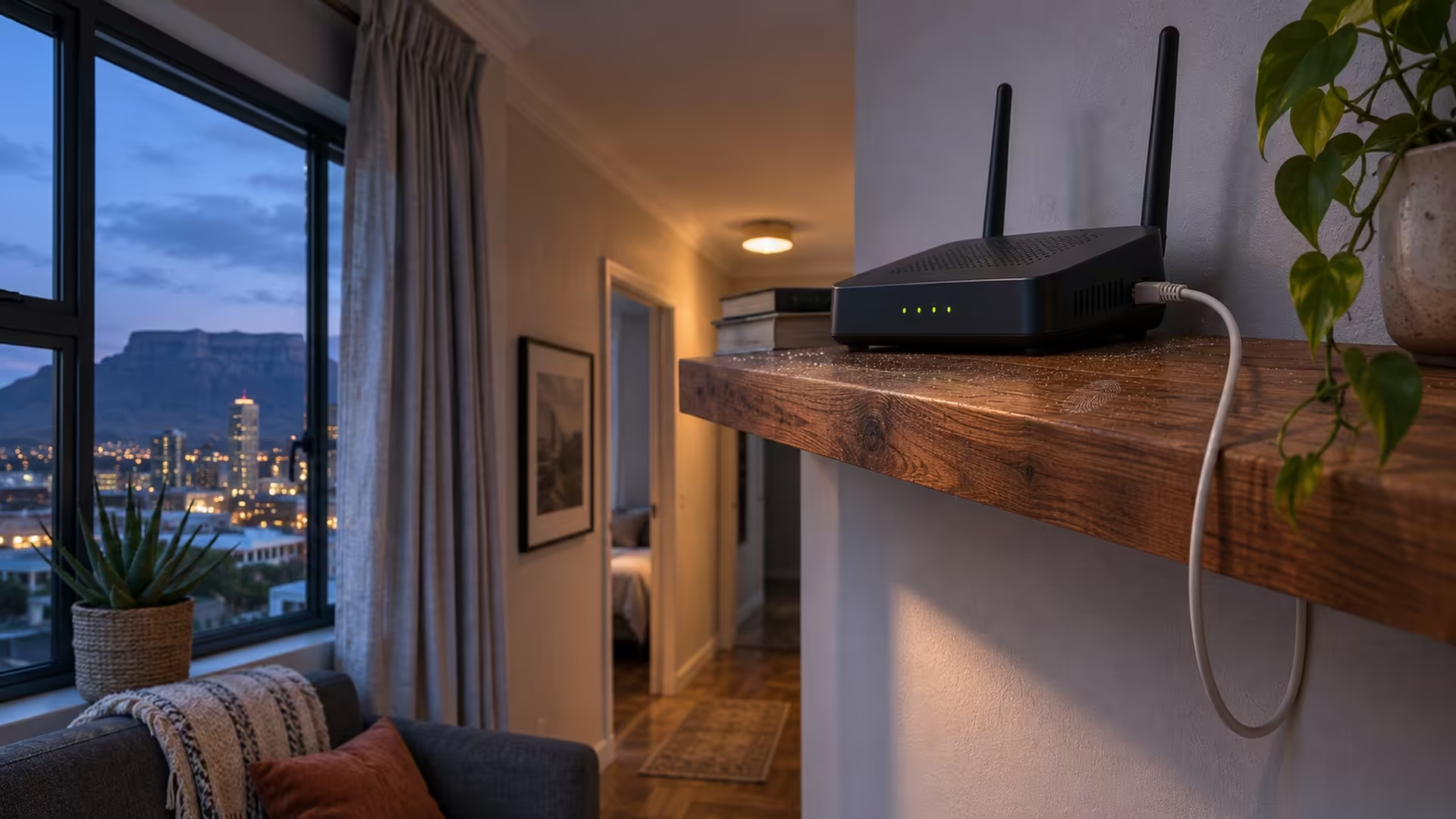
People often use WiFi to mean the entire home connection. When a provider advertises uncapped home WiFi, read that line as a claim about the internet plan. The router still provides a local wireless connection, and a room far from it can be slow even if the plan has plenty of speed left.
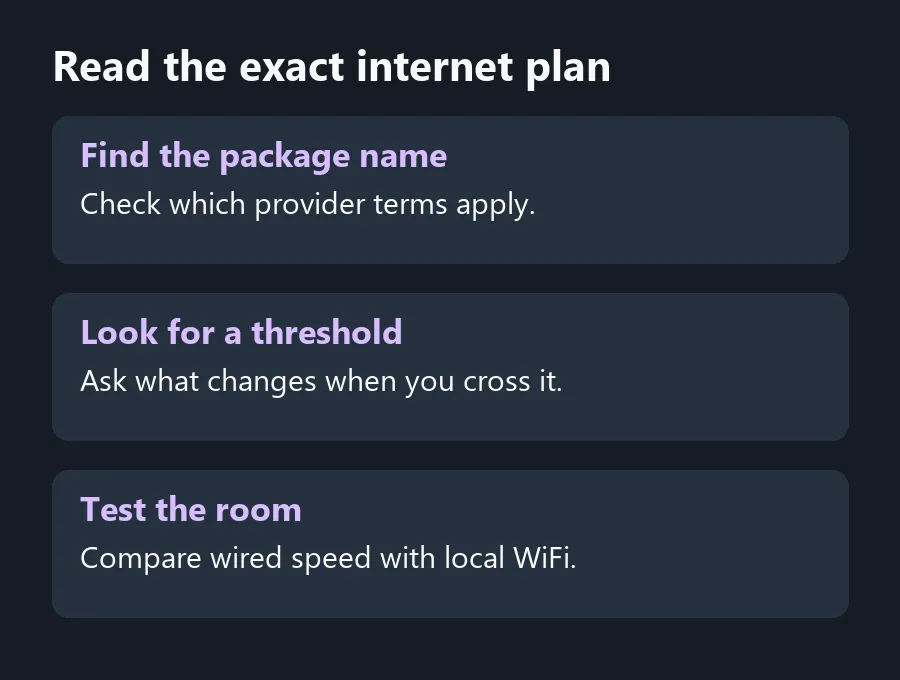
Write down the package name, access technology and advertised speed before comparing providers. A provider can sell fibre and a wireless package with different conditions. Its acceptable use policy can also name some plans with specific limits and leave others outside those provisions. Match the terms to the plan you are actually buying.
📆 Look for a threshold and a reset time
Search the package terms for fair usage, prioritisation, throttling and shaping. If you find a threshold, look for what is measured, what happens when you cross it and when the restriction ends. Ask the provider for the answer in writing if the product page mentions a policy without saying how that package applies it.
Compare the possible reduced speed with what your home does at busy times. If you use several streams while downloading game updates, you care about how the whole connection behaves. A usage policy can matter on a shared line even if you never expect the provider to stop your access. Save your plan's terms so you have something to check if performance changes.
🔌 Check the connection before replacing the router
Try an Ethernet cable to the router and compare the result with a wireless test from the room that feels slow. Pause the large transfers you know about so they do not distort both tests. If the wired connection performs well and the room remains slow, investigate wireless coverage first. If both tests slow down, check the plan, the line status and your usage with the provider.
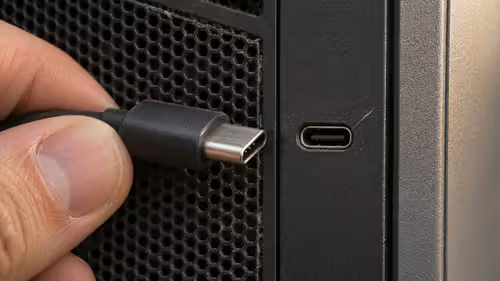
Use Cable Solutions to find an appropriate wired lead if you need one for testing. If the bottleneck is around the house, compare suitable equipment in Networking after you work out where the signal drops. Use the router comparison to address room coverage and the package terms to check the line.
Frequently Asked Questions
Does uncapped mean unlimited speed?
No. Your package still has an advertised rate and its terms can provide for slower speeds in some conditions.
Can uncapped fibre and wireless plans differ?
Yes. Check the named package and access technology because conditions can differ within one provider.
Why does the internet feel slow in just one room?
Compare WiFi there with a wired test at the router. Local signal coverage may be part of the problem.
Can a router remove an ISP threshold?
No. Check the provider terms for any threshold and the period it covers.
What should I look for in a fair usage policy?
Find the usage threshold, what changes if you cross it and when the original service speed returns.
Is there a fee just to verify the rules?
You can start by reading the published package terms and asking your provider for clarification.
Read the exact internet plan
Match each advertised home plan to its exact South African usage terms before paying for a different provider or router.