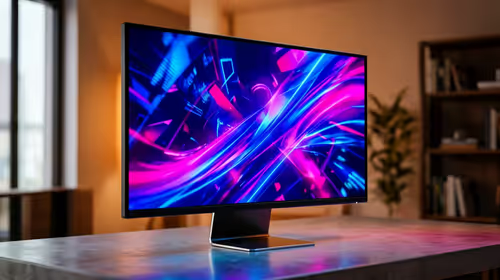
You’ve just invested your hard-earned Randelas in a beautiful new gaming monitor. The box boasts about G-Sync or FreeSync, promising buttery-smooth gameplay. But a nagging thought pops up… does all that fancy, dynamic screen-adjusting tech wear it out faster? It’s a valid concern. You want your gear to last. Let's dive into the truth about Adaptive Sync monitor longevity and see if it really affects your gaming display's lifespan. 🖥️
What is Adaptive Sync Technology, Anyway?
Before we tackle its durability, let's quickly demystify what Adaptive Sync actually does. In simple terms, it’s a technology that synchronises your monitor's refresh rate with the frame rate of your graphics card in real-time.
Ever been in a fast-paced game and noticed a weird horizontal line "tearing" across the screen? That happens when your GPU sends a new frame before your monitor has finished displaying the last one. It’s jarring and breaks immersion.
Adaptive Sync (the generic term for technologies like NVIDIA's G-Sync and AMD's FreeSync) eliminates this completely. By ensuring the screen only refreshes when a new frame is ready, you get perfectly smooth motion. It's a core feature in the best gaming monitors on the market for a reason.
The Core Question: Does VRR Affect Monitor Lifespan?
Here’s the straight answer: No, using Adaptive Sync does not negatively affect your monitor's lifespan in any meaningful way.
Think of it like the engine in your car. It’s designed to run at various RPMs, not just one constant speed. Your monitor's internal components, specifically the scaler that controls the refresh rate, are built for this dynamic operation. They aren't being pushed beyond their intended specifications; they are simply operating as designed. The concern about Adaptive Sync monitor longevity is understandable, but ultimately unfounded for modern PC monitors. The technology is far less demanding on the hardware than, say, running the backlight at maximum brightness 24/7.
Factors That Actually Impact Your Display's Longevity
So, if G-Sync or FreeSync durability isn't a worry, what should you be mindful of? The real culprits behind a display's premature demise are usually far more mundane.
- Heat: Electronics hate excessive heat. Ensure your monitor has adequate ventilation and isn't crammed against a wall or buried under clutter.
- Brightness: Running your monitor at 100% brightness all the time can slowly degrade the backlight over many, many years. Finding a comfortable, lower level is better for your eyes and the panel.
- Power Surges: South Africa's power grid can be unpredictable. A power surge can fry your monitor's sensitive electronics in an instant. Investing in quality monitor accessories like a good surge protector is far more important for longevity than worrying about VRR.
- Physical Damage: This one’s obvious, but screen impacts and improper cleaning with harsh chemicals are a display’s worst nightmare.
First-Day Display Tip 💡
Don't just plug and play! Most new monitors arrive with brightness set to 100%. Dropping it to a comfortable level (usually 50-70%) not only reduces eye strain during long gaming sessions but can also extend the lifespan of your backlight over many years. Use Windows' built-in "Calibrate display color" tool to get your settings just right.
Choosing the Right Monitor With Confidence ✅
With fears about Adaptive Sync monitor longevity put to rest, you can focus on what matters: finding the perfect screen for your games and budget among our best PC monitor deals. The technology is robust, reliable, and designed for the long haul.
The real question isn't "if" it will last, but "which" experience you want. Are you after the wraparound immersion of curved monitors? Or perhaps the incredible detail of high-resolution 4K and 5K displays? There are even high-refresh-rate portable monitors for the gamer on the go. Go ahead and enable G-Sync or FreeSync with peace of mind... your monitor will be just fine.
Ready to See the Difference?
Now that you know your investment is safe, it's time to find the perfect display. From buttery-smooth high refresh rates to stunning 4K visuals, the right screen elevates everything. Explore our incredible range of monitor deals and find the perfect upgrade for your setup today.