Picking ATX 3.1 power supplies is easier once you separate the specs that matter from the ones that just sound good on a box.
Quick Answer
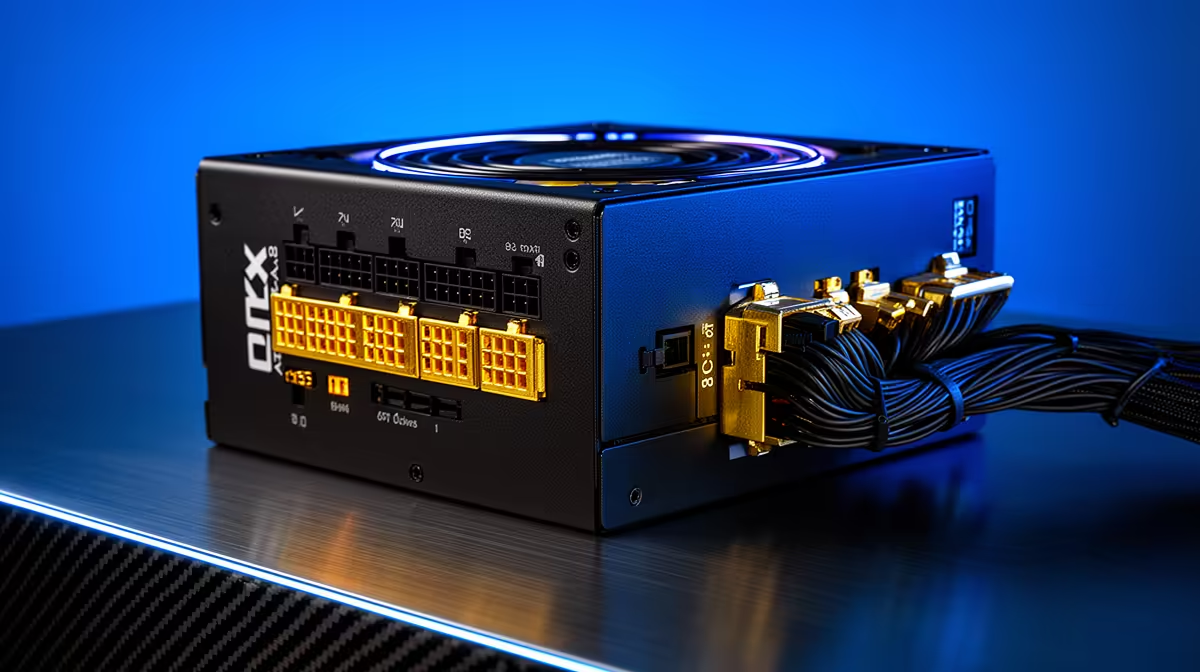
For modern GPUs an ATX 3.1 PSU is the right call, because the native 12V-2x6 connector and stable transient handling suit cards like the RTX 40 and RX 9000 series. The rest of this guide explains how to match it to your build and budget.
Modular Versus Non-Modular
What matters in SA: A fully modular ATX 3.1 unit lets you fit only the cables you need, which improves airflow and tidiness in an SA build prone to dust. In practice, weigh that against your real budget rather than the headline spec sheet.
Headroom For Upgrades
The buyer's-eye take: Buying a little extra wattage now means the same PSU survives your next GPU jump, so it is one of the smarter long-term spends in a build. In practice, weigh that against your real budget rather than the headline spec sheet.
Why The Standard Matters
Here's the practical view. ATX 3.1 introduces robust transient power handling and a native 12V-2x6 connector, so high-end GPUs get clean delivery without daisy-chained adapters. Keep it in mind when you compare two models that look similar on paper.
What SA Buyers Should Check
Rand pricing on imported parts moves with the exchange rate, so budget a small buffer above the sticker. Check the warranty length and whether the part is locally stocked, since RMA turnaround in SA is far smoother on local stock.
FAQ
Do I still need adapters?
Put simply, no; an ATX 3.1 PSU includes a native 12V-2x6 cable for current GPUs, so you can skip the bundled adapters entirely.
Does PSU quality affect stability?
For SA buyers, very much; a weak unit sags under GPU spikes and can cause crashes, so a quality platform protects your other parts.
How much wattage headroom is sensible?
Aim for roughly 20-30%% above your expected peak draw, so the PSU runs cool and quiet and has room for a future GPU upgrade.
Pro Tip
Pick an ATX 3.1 PSU with a native 12V-2x6 cable so RTX 40 and RX 9000 cards plug in without adapters.