Quick Answer
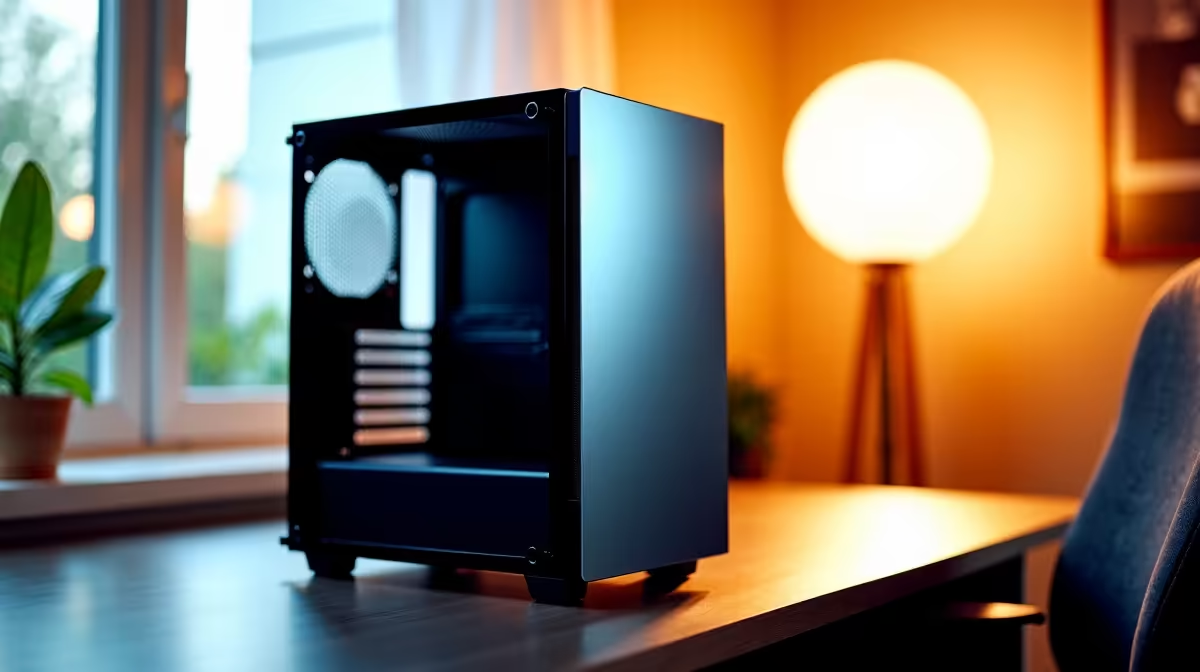
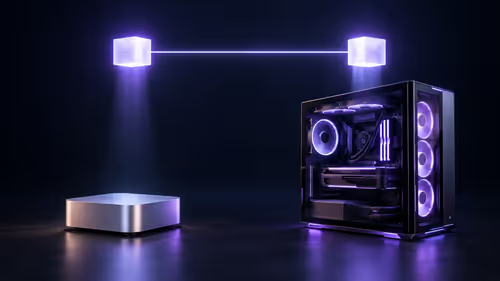
Pick an airflow-first ATX case with a mesh front, at least three fan positions, and enough GPU clearance for modern cards. For SA buyers, sensible cases usually sit around R900 to R2,500, with Cooler Master MasterBox 520 Mesh, Corsair 4000D Airflow, Antec NX410, and NZXT H5 Flow as useful shortlist anchors. For Kempton Park, buy around fit, support, and delivery practicality rather than chasing the loudest spec.
What Matters First
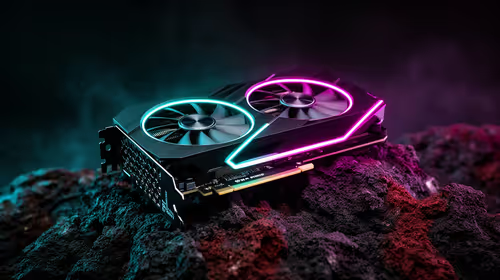
The case must fit the parts before it fits the room. Check support for ATX motherboards, 160 mm or taller CPU coolers, 320-360 mm graphics cards, and 240 mm or 360 mm radiators. A Ryzen 5 7600 with an RTX 4060 Ti is easy to house; an RTX 4080 Super build needs more front-to-back clearance and stronger exhaust planning.
Real-World Buying Notes
A budget mesh case is fine for 1080p gaming builds that target 90-144 fps with RTX 4060 or RX 7600 class GPUs. Step up when you want quieter fans, better cable channels, dust filters, and room for a future RTX 4070 Super. Tempered glass looks good, but poor intake can raise GPU temperatures during long sessions.
Avoid These Mismatches
For Kempton Park remote workers, desk footprint and fan noise matter as much as lighting. A deep case can fight with a small desk or wall plug position, and a loud front fan is noticeable during calls. If the PC sits under the desk, place it where the mesh intake is not pressed against a wall. The common mistake is buying from a headline feature without checking the physical fit, warranty path, and the daily routine around the product. Keep the shortlist to two or three realistic options, then compare the spec that changes your actual use: cooling noise, desk space, frame rate, connection stability, or typing comfort.
FAQ
How much GPU clearance is enough?
Aim for at least 330 mm if you expect a future high-end graphics card. Smaller cases can work with RTX 4060 class cards, but clearance gets tight when triple-fan cards and front radiators share the same space.
Is tempered glass bad for cooling?
No, but it should be paired with proper mesh intake and at least one rear exhaust fan. A solid front panel with weak side vents is the bigger warning sign for gaming thermals.
What should an ATX case cost?
A practical ATX case often lands around R900 to R2,500. Spend more only for better fans, sturdier panels, cleaner cable routing, or a design that solves a specific fit problem.
Buyer Check
Before ordering, compare the GPU length, CPU cooler height, and radiator support numbers against your actual parts list.