So, your gameplay is crisp and your Apex Legends squad wipes are legendary. But when you re-watch your stream, your voice sounds like it’s coming through a tin can attached to a string... we’ve all been there. For aspiring South African streamers, the audio quality debate is a big one. It boils down to a classic showdown: the trusty gaming headset microphone vs a dedicated mic. Let's break down which one is right for you. 🎙️
The All-in-One Convenience: Gaming Headset Mics
Let's be honest, the built-in microphone on your gaming headset is the path of least resistance. It's right there, ready to go. For jumping into Discord with your mates or your very first stream, it’s a perfectly fine starting point.
The Good Stuff
The biggest win for a headset mic is simplicity. You buy one piece of gear, plug it in, and you have both game audio and a way to communicate. It saves you money and precious desk space, which is a huge plus if your setup is also your work-from-home office. They are the definition of plug-and-play.
The Not-So-Good Stuff
The trade-off for convenience is almost always audio fidelity. Headset mics use smaller components and often compress your voice, resulting in that thinner, slightly muffled sound. They're also notorious for picking up background noise, from your mechanical keyboard clicks to the hadedas outside your window. While they get the job done, they don't scream "professional streamer."
The Pro Audio Powerhouse: Dedicated Streaming Mics
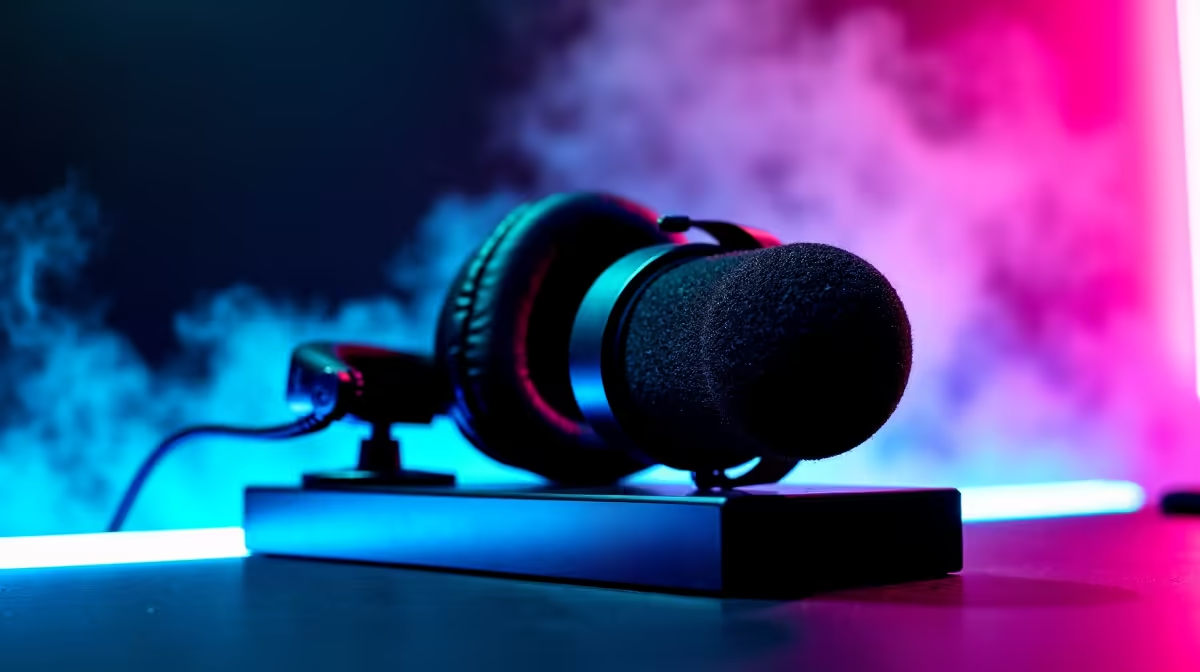
Walk into any professional streamer’s setup, and you won’t see them using a headset mic. You'll see a dedicated microphone on a boom arm, and for good reason. This is the single biggest upgrade you can make to your stream's production value.
When you're serious about quality, a dedicated mic is non-negotiable. It uses a larger diaphragm to capture a richer, fuller range of your voice, making you sound clear, crisp, and professional. This is the core difference in the gaming headset microphone vs dedicated mics debate. Top-tier audio brands have perfected this, with companies like CORSAIR offering dedicated mics that deliver that broadcast-quality sound your viewers will appreciate. You get more control, better noise isolation, and a presence that a headset mic just can't match.
Boost Your Audio for Free! ⚡
No matter what mic you use, software can help. Use the noise suppression filters built into OBS Studio or NVIDIA Broadcast. This simple tweak can dramatically reduce keyboard clatter and background hum, making even a budget mic sound much cleaner.
So, Which Mic is Right for Your Mzansi Stream?
The best choice really depends on where you are in your content creation journey.
- Stick with the Headset Mic if: You're a casual gamer who just wants to chat with friends, you're testing the streaming waters for the first time, or your budget is extremely tight.
- Upgrade to a Dedicated Mic if: You're committed to growing your channel, you want to create high-quality content like podcasts or voiceovers, and you want your audience to focus on your commentary, not your audio quality.
A professional stream isn't just about audio; it's about the full package. Once your sound is sorted, adding dynamic lighting creates a vibe that keeps viewers engaged. Unique options from brands like Cololight can make your stream pop and help you build a recognisable brand. ✨
Ultimately, investing in a dedicated mic is investing in your channel's growth. And you don't need to spend a fortune to get great sound. There are fantastic USB mics that offer incredible quality and are simple to set up. You can find excellent streaming gear for under R6000 that will instantly level up your audio game.
Ready to Sound Like a Pro?
Stop letting poor audio hold your channel back and make the right choice in the headset mic vs dedicated mic battle. Explore Evetech's massive range of streaming essentials and find the perfect mic to make your voice heard.