A mix that sounds great on your headphones but falls apart in the car, on a phone speaker, or in a friend's lounge usually points to one thing: the cans you mixed on were lying to you. Studio headphones for mixing and monitoring are built to do the opposite of consumer headphones. Instead of flattering the music with boosted bass and sparkly treble, they aim for a flat, uncoloured response so the decisions you make actually translate everywhere else.
Quick Answer
For mixing and critical monitoring you want a flat, reference-tuned pair, and open-back designs like the Sennheiser HD 600, AKG K712 Pro, or Beyerdynamic DT 900 Pro X are the standard choices because they reveal problems rather than hide them. For tracking and recording, a closed-back pair such as the Sony MDR-7506 or Audio-Technica ATH-M40x isolates better. Budget from roughly R2,500 for a solid entry pair up to R6,000-plus for reference open-backs, and remember high-impedance models need a headphone amp.
What Makes a Headphone a Mixing Tool
Consumer headphones are voiced to sound exciting, with a smile-shaped curve that lifts the lows and highs. That is pleasant for listening and useless for mixing, because it hides the very frequencies you need to control. A reference headphone aims for a flat response, meaning no part of the spectrum is artificially pushed forward. When the bass sounds balanced on a flat pair, it really is balanced, so it stays balanced on speakers, earbuds, and phone speakers too.
The second quality that matters is honesty about detail. Good monitoring headphones expose harshness, muddy low-mids, timing errors, and background noise instead of smoothing them over. The Audio-Technica ATH-M40x is a classic example of this, often praised as flatter and more revealing than its more famous sibling, surfacing issues a flattering pair would gloss over.
Open-Back vs Closed-Back
Open-back for mixing
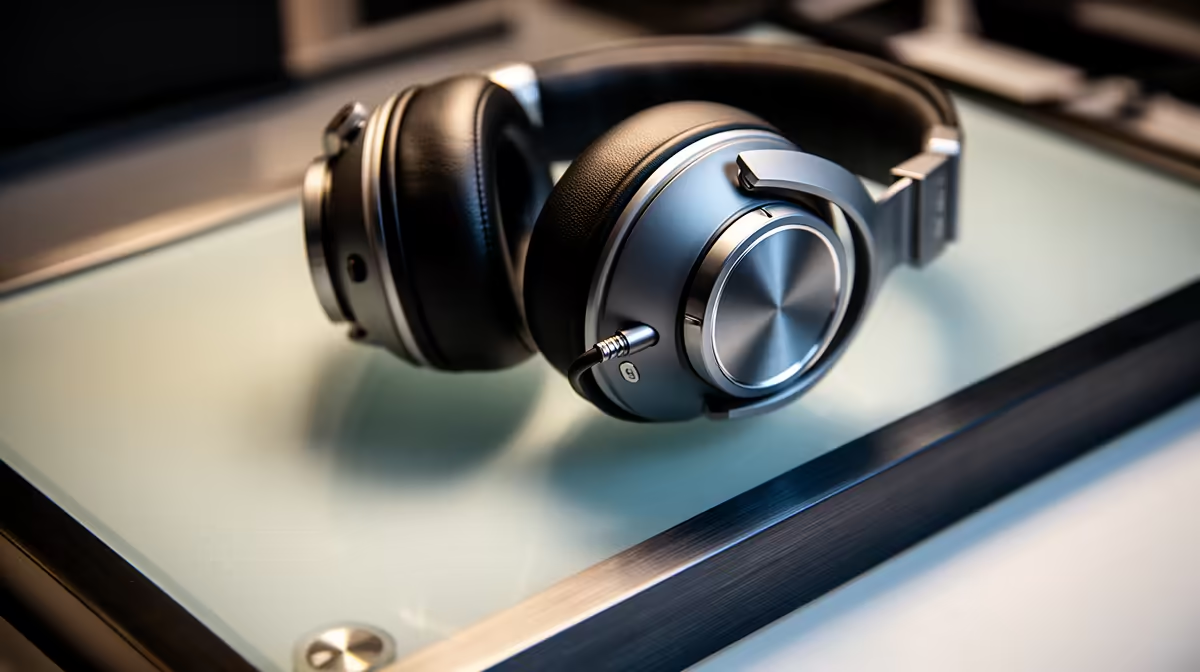
Open-back headphones let air and sound move through the ear cups, which produces a wider, more natural soundstage that feels closer to listening to speakers in a room. That spaciousness makes panning, depth, and stereo imaging far easier to judge, which is why open-backs like the AKG K712 Pro, Sennheiser HD 600, and Beyerdynamic DT 900 Pro X dominate mixing recommendations. The trade-off is that they leak sound and offer almost no isolation, so they suit a quiet, treated space rather than a noisy room or a shared studio.
Closed-back for tracking
Closed-back designs seal the ear, which keeps the click track and backing from bleeding into a live microphone during recording. The Sony MDR-7506 has earned its place in studios for exactly this, with clear, balanced sound and decent isolation, and the closed Focal Azurys is a strong modern option for tracking. If you are recording vocals or instruments, closed-back is the practical pick, even if you switch to open-back for the mixdown.
Impedance and the Amp Question
Headphone impedance decides how much power a pair needs to reach a proper volume. Low-impedance models run happily straight from a laptop or interface headphone jack. Higher-impedance reference cans, generally 250 ohms and above like some Beyerdynamic and Sennheiser models, need a dedicated headphone amp or a capable audio interface output to perform at their best. Plugging a 250-ohm pair into a phone leaves them quiet and lifeless, so budget for the amplification if you choose a high-impedance reference set.
The Beyerdynamic DT 900 Pro X is worth noting here because it runs at 48 ohms, low enough to drive from a laptop, interface, or even a phone at a useful volume, which makes it more accessible than the higher-impedance flagships without sacrificing the open-back clarity that mixers want. The Sennheiser HD 600 sits at 300 ohms and genuinely needs a headphone amp or a strong interface output to sound its best.
If you are weighing up where to start, browsing the studio and reference headphones at Evetech is a quick way to see flat-response options across price tiers, and the top-selling headsets at Evetech show which models local creators are actually buying right now.
Matching the Headphone to Your Room
If you work in an untreated bedroom or a flat with hard walls, a flat open-back will still give you a more honest picture than any bass-heavy consumer pair, but be aware it leaks. If you share space or record into a live mic, lean closed-back. Many engineers keep both: a closed pair for tracking and an open reference pair for the mix, then check the result on a cheap pair of earbuds to confirm it holds up. That cross-checking habit catches more problems than any single set of headphones ever could.
Frequently Asked Questions
What is the difference between studio and consumer headphones?
Studio headphones aim for a flat, neutral response so mix decisions translate accurately to other systems. Consumer headphones are tuned to flatter music with boosted bass and treble, which sounds pleasant but hides the detail you need when mixing.
Are open-back or closed-back headphones better for mixing?
Open-back are generally preferred for mixing because their wider soundstage makes panning and depth easier to judge. Closed-back are better for recording, since they isolate sound and stop the backing track bleeding into the microphone.
Do I need a headphone amp for studio headphones?
Only for high-impedance models, typically 250 ohms and above. Low-impedance pairs run fine from a laptop or interface jack, but high-impedance reference cans sound quiet and flat without a proper amp or a strong interface output.
Can I mix on a budget pair?
Yes. Affordable flat-response models like the Audio-Technica ATH-M40x or Sony MDR-7506 are genuinely usable reference tools and far better for mixing than expensive consumer headphones. As your work grows you can move up to open-back reference cans.
Why does my mix sound wrong on other devices?
Usually because you mixed on coloured headphones that hid certain frequencies. A flat reference pair shows the real balance, and checking your mix on several systems, including cheap earbuds and a phone, confirms it translates before you call it finished.
Want mixes that translate everywhere? Explore the reference and studio headphone range at Evetech and pick a flat-response pair matched to whether you mix, track, or both.