You’ve just unboxed your new throne… the centrepiece of your gaming setup. But have you ever spared a thought for the tiny threads holding it all together? Probably not. Yet, the stitching on your gaming chair is a silent hero, defining its lifespan and how it feels after a marathon session. In our Double vs Heat-Seal Stitching South Africa Comfort Test, we’re diving deep into the tech that separates a good chair from a great one.
Understanding Double Stitching: The Tried-and-True Champion
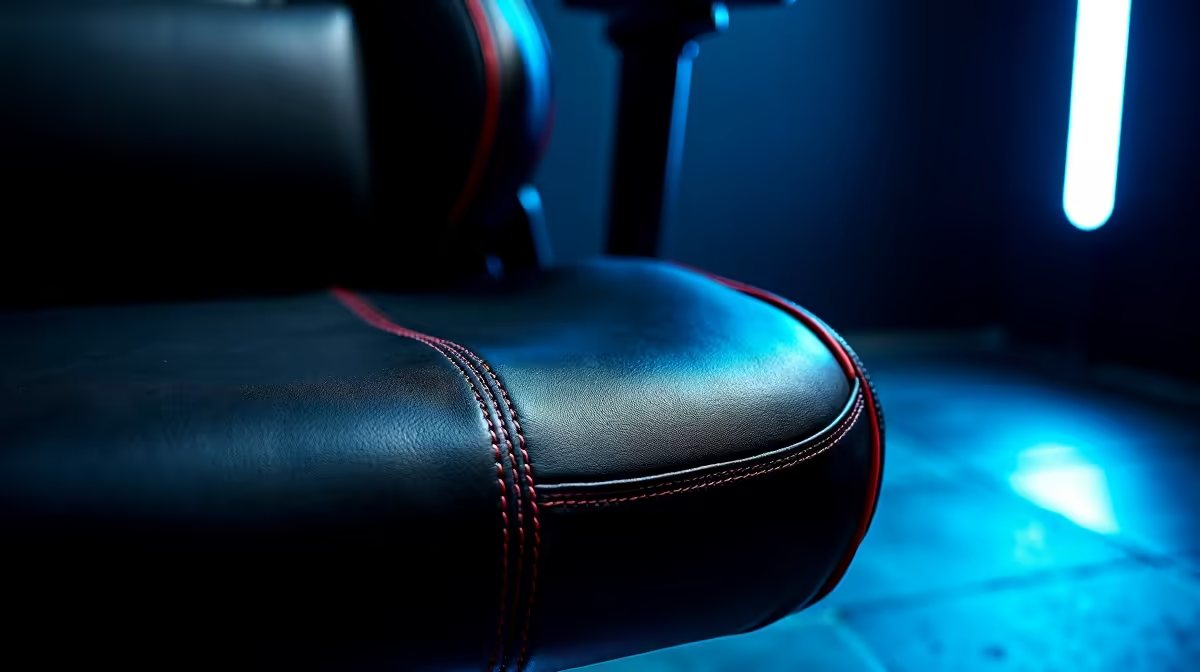
Double stitching is exactly what it sounds like: two robust lines of thread running parallel to each other, reinforcing a seam. It’s the classic, heavy-duty method you’ll see on everything from high-end leather car seats to premium gaming chairs. This technique has been the gold standard for decades for one simple reason… it’s incredibly durable.
Think of it as built-in redundancy. If one stitch somehow fails under the pressure of a last-second clutch, the second line is there to hold the line. This method creates a strong, visible seam that adds a touch of classic craftsmanship to a chair’s design. It’s a reliable choice you’ll find across a massive range of gaming chairs in South Africa, offering a fantastic balance of strength and value. 🛡️
Pros & Cons of Double Stitching
- Pro: Exceptional strength and longevity.
- Pro: A classic, premium aesthetic.
- Con: The tiny needle holes can trap dust over time.
- Con: Not inherently water-resistant, so spills need quick attention.
For many gamers, the sheer reliability of double stitching makes it a top pick, especially if you’re looking for a gaming chair under R4000 that’s built to last.
Exploring Heat-Seal Stitching: The Sleek Modern Challenger
Heat-seal stitching, also known as welded or bonded seams, is the new kid on the block. Instead of needles and thread, this process uses heat and pressure to fuse two pieces of material—like PU leather or fabric—together at a molecular level. The result? A perfectly smooth, seamless, and often waterproof join.
This modern technique creates an incredibly clean, minimalist look that’s becoming popular on high-end chairs. Because there are no puncture holes, the seam is resistant to spills, dust, and grime, making it a breeze to keep clean. The smooth finish also means there’s no texture to distract you during intense gameplay. This advanced construction is a feature you'll often find on premium chairs above R4000, where cutting-edge design is key. ✨
Pros & Cons of Heat-Seal Stitching
- Pro: Sleek, modern, and seamless appearance.
- Pro: Water and dust-resistant for easy cleaning.
- Con: Can be less flexible than a traditional stitch.
- Con: Longevity can vary on budget models or with extreme heat exposure.
Stitching Care 101
No matter the type, keep your stitching pristine. For double stitching, use a soft brush to gently remove dust. For heat-seals, a simple wipe-down with a damp microfibre cloth is all you need to prevent grime build-up.
The Verdict: Double vs Heat-Seal Stitching in South Africa
So, which one survives the South African comfort test? It depends on your priorities.
For the Durban gamer battling coastal humidity, the breathability of double-stitched seams might offer a slight edge in long-term comfort. For the Johannesburg grinder, where dust is a constant battle, the impenetrable nature of a heat-seal seam is a massive plus for keeping your chair looking brand new.
Ultimately, here’s the breakdown:
- Choose Double Stitching if: You prioritise proven, rugged durability and a classic aesthetic. It’s the workhorse that guarantees your investment will endure years of intense gaming sessions.
- Choose Heat-Seal Stitching if: You’re after a cutting-edge, minimalist design that’s incredibly easy to clean and offers superior spill resistance. Perfect for the gamer who values form just as much as function.
Both technologies are excellent, but understanding the difference helps you make a smarter choice. You’re not just buying a chair… you’re investing in years of comfort and support.
Find Your Perfect Gaming Throne
Now that you know what to look for, explore our curated collection of chairs built for South African gamers. Check out the best gaming chair deals at Evetech and find the perfect fit for your setup and budget today.