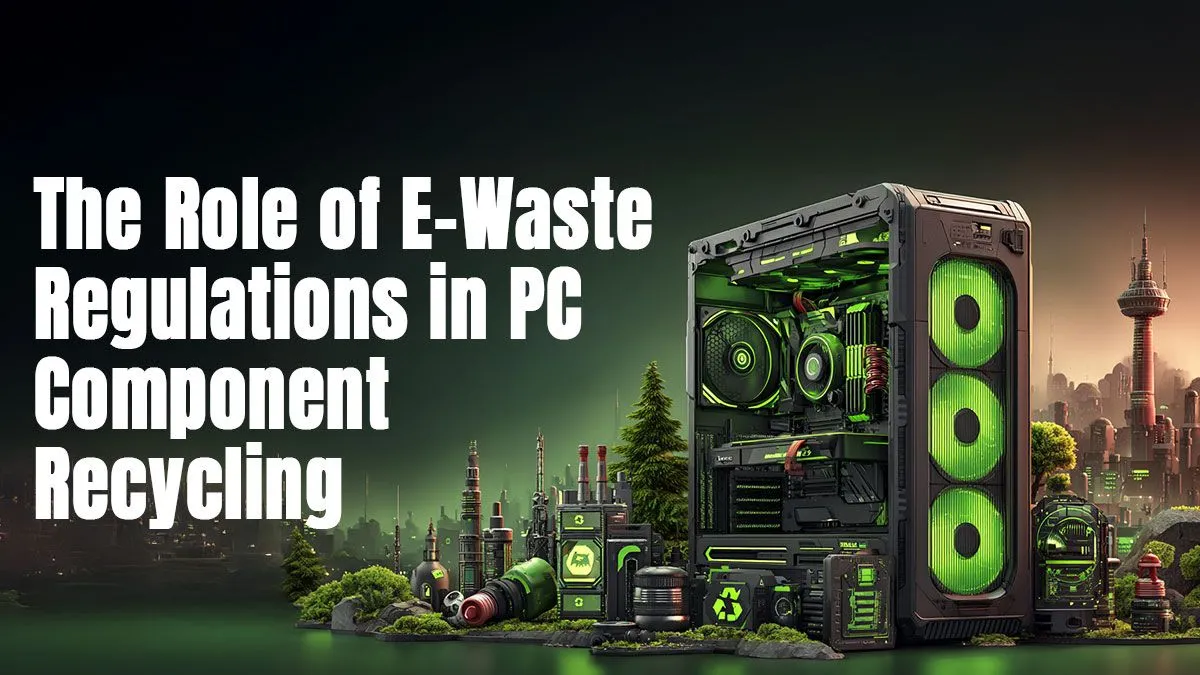
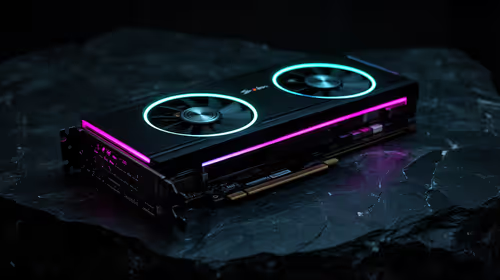
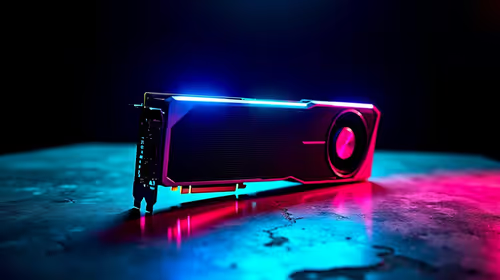
So, you’ve just unboxed that beast of a graphics card. The new-tech smell is intoxicating. But as you admire your shiny upgrade, a question pops up: what about the old one? That faithful component now sits on your desk, destined for a drawer… or worse, the bin. This is where e-waste regulations come into play, shaping a surprisingly complex system of PC component recycling right here in South Africa. Let's dive in. ♻️
How E-Waste Regulations Shape the Lifecycle of Your Gear
You might not think about government policy when building a rig, but e-waste regulations are quietly influencing the tech industry. In South Africa, the framework around Extended Producer Responsibility (EPR) means that manufacturers and importers are increasingly responsible for the entire lifecycle of their products, including disposal.
This policy is the primary force driving formal PC component recycling. It encourages companies to partner with accredited recyclers, ensuring that old hardware doesn't just end up in a landfill, leaking harmful chemicals. When you discard an old part, these regulations help create a pathway for it to be broken down responsibly. The intricate circuitry on motherboards, for instance, contains precious metals that are too valuable—and potentially hazardous—to just throw away.
The Journey of PC Component Recycling
Ever wondered what actually happens to your old parts? It's more than just crushing metal. Specialised facilities dismantle everything piece by piece. It's a fascinating process:
- Precious Metal Recovery: High-value items like your old NVIDIA or ATI graphics cards and even outdated DDR3 RAM modules contain gold, silver, and copper. Recycling centres use advanced chemical and mechanical processes to extract these materials, which can then be reused in new electronics.
- Hazardous Material Management: Not everything in your PC is friendly. A power supply unit (PSU) contains capacitors and other elements that need careful handling. The regulations ensure these toxic components are neutralised safely instead of contaminating soil and water.
- Bulk Material Separation: Larger, simpler items are easier to process. The aluminium and copper in CPU coolers are melted down and repurposed. The steel and plastic from old computer cases also get sorted and sent into different recycling streams.
This entire ecosystem exists because effective e-waste regulations make it economically viable and legally necessary.
Before You Recycle... 💡
Before handing over old hardware, consider its data. For old hard drives or SSDs, perform a secure data wipe using software like DBAN (Darik's Boot and Nuke) or your drive manufacturer's utility. For components without storage, like a GPU or RAM, a quick clean is all you need. This protects your privacy and makes the recycler's job a little easier.
Building Smarter for a Sustainable Future
Understanding PC component recycling isn't just about getting rid of old gear; it's about buying smarter for the future. Choosing high-quality, durable components means you'll upgrade less frequently, reducing your overall e-waste footprint. Planning a build with a clear upgrade path in mind is one of the most sustainable things a gamer can do.
Instead of replacing one part at a time, sometimes a strategic overhaul is more efficient. Opting for a modern motherboard, CPU, and RAM combo, like those found in Intel and AMD bundle packs, can set you up for years of top-tier performance and future compatibility. It’s an investment that pays off for both your gaming experience and the planet. 💻
Ready to Build a Smarter, More Powerful Rig?
Upgrading your PC is a chance to invest in performance that lasts. By choosing modern, efficient hardware, you reduce future e-waste and guarantee an epic gaming experience. Explore our massive range of PC components and build a machine that's ready for tomorrow.