Tired of being tethered to your desk for a proper PC gaming session? The rise of AMD Ryzen handheld gaming PCs means you can finally take your Steam library anywhere, from a braai in Benoni to an unexpected outage marathon in Cape Town. But with new models dropping constantly, what features truly matter? Let's dive into the essential specs that separate a powerhouse from a paperweight, ensuring you get the best portable rig for your rands.
The Heart of the Machine: The AMD Ryzen APU
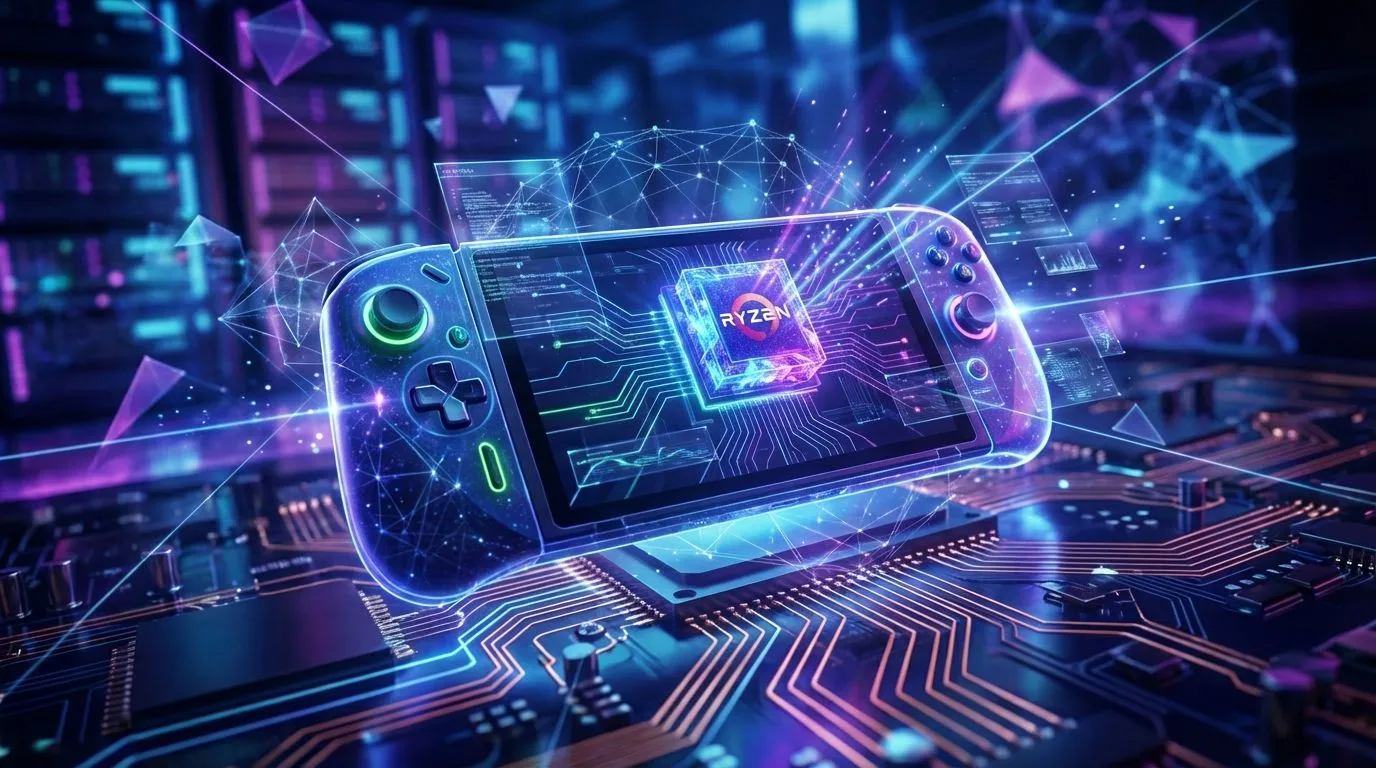
At the core of any great handheld gaming PC is the APU, or Accelerated Processing Unit. Think of it as the brain and the artist combined… it’s a single chip that contains both a powerful CPU (for game logic and system tasks) and a capable GPU (for rendering those gorgeous graphics). AMD's Ryzen processors, especially those with modern RDNA graphics architecture, are the gold standard here.
When you're comparing models, look for APUs like the Ryzen Z1 Extreme. This chip is specifically optimised for the power and thermal constraints of a handheld device, delivering incredible performance in demanding titles like Cyberpunk 2077 or Baldur's Gate 3. Getting the APU right is the single most important decision for your AMD Ryzen handheld gaming PC, as it dictates the ceiling of your gaming experience. For a masterclass in APU integration, check out the options from leading brands like ASUS, who have truly pushed the limits of portable power.
More Than a Number: RAM and Storage Speed
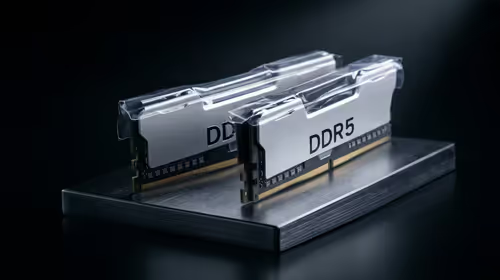
While the APU is the star, it needs a strong supporting cast. For a modern handheld, 16GB of LPDDR5 RAM should be your non-negotiable minimum. This fast memory allows the APU to access game assets quickly, which is crucial since the system memory is shared between the CPU and GPU. Less than 16GB will create a bottleneck, leading to stuttering and poor performance.
Storage is just as important. You need a fast NVMe SSD. Why? Because it drastically cuts down on loading times. Nobody wants to spend five minutes staring at a loading screen when you could be dropping into a match. A 512GB SSD is a decent start, but with AAA games regularly exceeding 100GB, a 1TB drive offers much more breathing room. Always check for a microSD card slot for easy, affordable storage expansion later.
Performance Pro Tip ⚡
To squeeze more frames out of your AMD Ryzen handheld gaming PC, master AMD FidelityFX™ Super Resolution (FSR). This smart upscaling tech renders your game at a lower resolution and then uses an advanced algorithm to upscale it to your screen's native resolution. The result? A significant performance boost with minimal visual impact. You can often go from a choppy 30fps to a smooth 60fps just by enabling FSR in a game's settings.
Your Window to Another World: The Display 🖥️
The screen is your portal to every game you play, so its quality is paramount. Here’s what to look for:
Resolution and Refresh Rate
A 1080p (1920x1080) resolution is the sweet spot for most handhelds, offering a sharp image without overly taxing the APU. Some devices, like those in the Lenovo handheld range, offer higher resolutions like 1600p, which looks stunning but will require you to lower in-game settings for smooth frame rates.
A high refresh rate (120Hz or more) makes gameplay feel incredibly fluid and responsive, especially in fast-paced shooters. Look for screens that also support Variable Refresh Rate (VRR), which synchronises the screen’s refresh rate with the GPU’s output to eliminate screen tearing.
Colour and Brightness
To enjoy your games outdoors, you need a bright screen. Look for a rating of at least 400 nits. Good colour accuracy, measured by sRGB coverage, ensures that game worlds look as vibrant and beautiful as their creators intended.
Ergonomics and Controls: How It Feels to Play
A device can have the best specs in the world, but if it's uncomfortable to hold, you won't want to use it. Ergonomics are deeply personal, but look for well-sculpted grips and a balanced weight distribution.
The controls are just as critical. Hall effect joysticks are a massive plus, as they use magnets to detect movement, making them immune to the dreaded "stick drift" that plagues traditional controllers. Extra features like programmable back buttons, trackpads, or even detachable controllers can seriously elevate your gameplay. As the market evolves, we're seeing exciting new designs from competitors like MSI, each offering a unique take on the ideal control scheme.
Ultimately, the best AMD Ryzen handheld gaming PC for you is one that balances raw power with a high-quality display and comfortable controls. By focusing on these essential features, you can confidently choose a device that will let you enjoy true PC gaming freedom. Take a look at the full lineup of handheld gaming consoles to see how these features come together in the latest models.
Ready to Game on the Go?
The power to play your entire PC library anywhere is here. Armed with the right knowledge, you can pick the perfect portable powerhouse for your needs. Explore our complete range of handheld gaming PCs and find the machine that will conquer your commute, your couch, and even an unexpected outage.