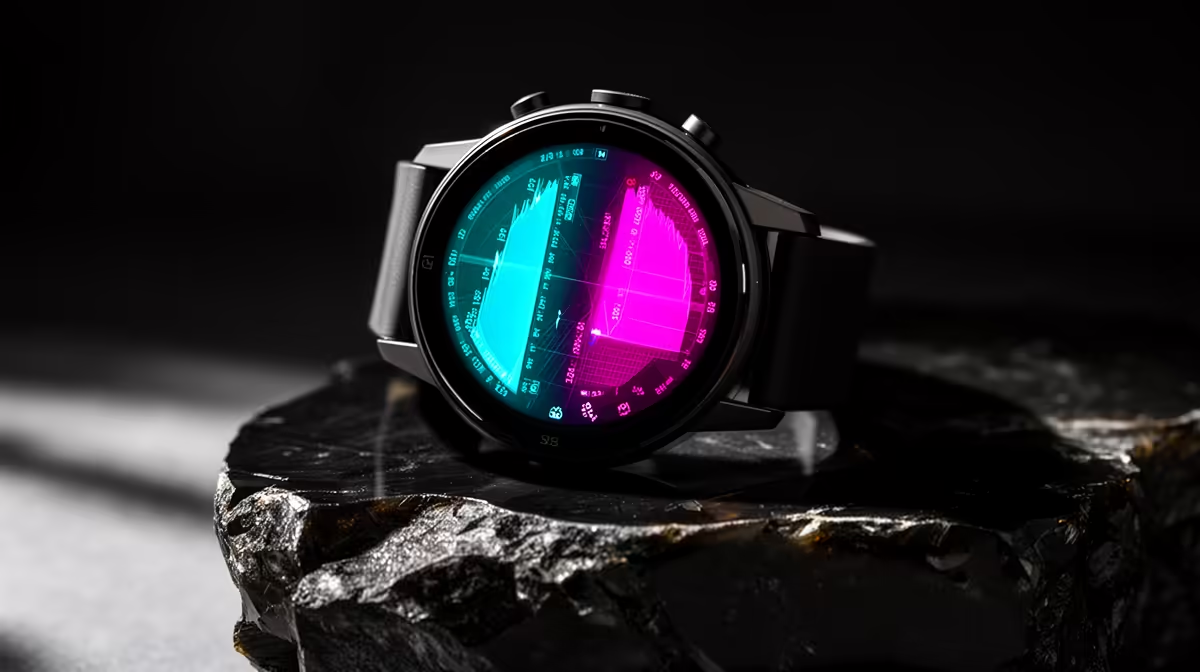
A fitness smartwatch is worthwhile for self-hosted apps only when it provides useful alerts or personal metrics through a supported phone integration. It cannot replace server monitoring, secure administration or a tested recovery plan. No smartwatch has a verified listing in the supplied factpacks, so compatibility and pricing need a current check.
Decide what should reach the wrist
List the events that deserve an immediate notification: service outage, failed backup or an expiring certificate. Confirm that the monitoring app can deliver these through the phone and that the watch displays enough context to act sensibly. Excess alerts create noise and make real failures easier to miss. Keep routine logs and low-priority warnings on a dashboard instead.
Never expose an administrative panel directly to the internet merely to make watch access convenient. Use secure remote access, unique credentials and multi-factor authentication where supported. The wearable should show an alert, while remediation happens from an authorised computer. Do not place server names, public addresses or sensitive customer details in notification text that appears on a visible wrist.
Fitness features may justify the device independently, but check battery life with frequent alerts, operating-system support and promised update duration. Test notifications on a borrowed compatible watch if possible. Buy one when it improves response without weakening security or adding daily charging frustration. If the phone already provides reliable alerts, invest in backups, monitoring and network resilience before adding another screen.
Improving a self-hosted setup? > Compare suitable PC and network options with Evetech while verifying wearable integration separately.