Quick Answer
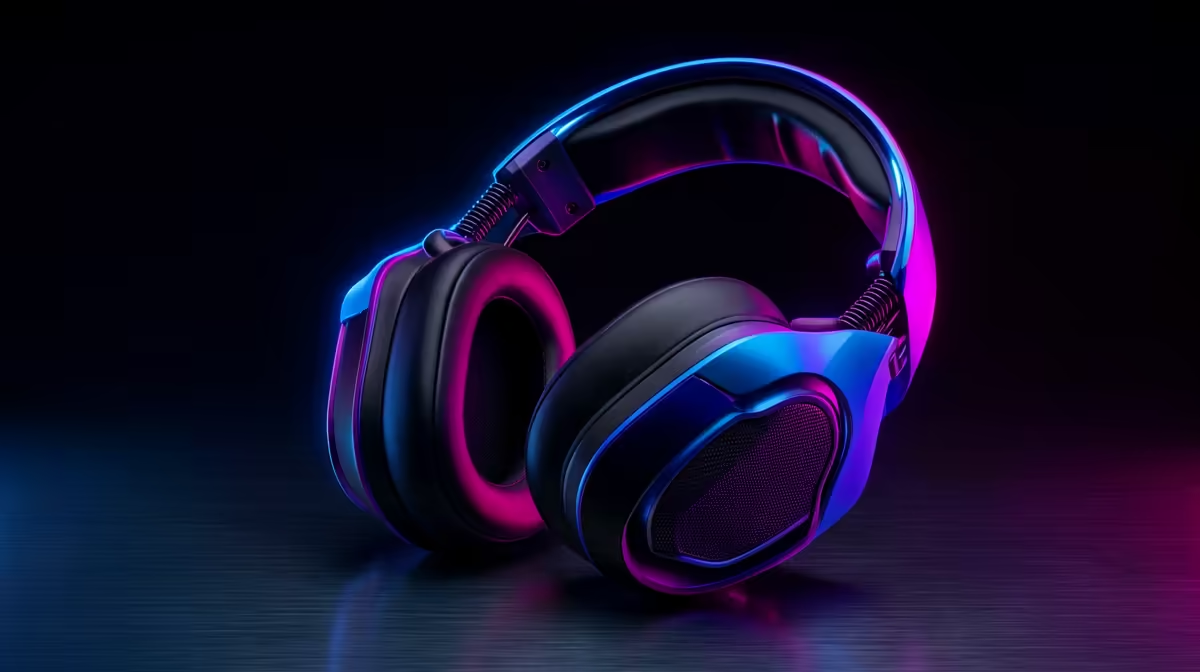
For VR fitness, the headset that matters most is one that stays put and breathes: a sweat-resistant, secure on-ear or open design beats a heavy closed cup. A solid wireless gaming headset for VR fitness starts around R1,200-R2,500 at Evetech, and battery life of 20 hours or more keeps you covered across weeks of sessions.
Starter tier: comfort and grip first
For VR fitness in rhythm titles, a lightweight headset that does not slide during fast movement is the priority. A secure wireless on-ear around R1,200 with 20 hours or more of battery and a washable or sweat-resistant pad survives daily workouts. Avoid heavy 350g closed cups that shift and trap heat during cardio.
Serious tier: low latency and durability
Stepping up to a R2,000-R2,500 wireless headset adds low-latency 2.4GHz audio so beat timing stays tight, plus sturdier hinges that survive repeated on-off. Look for a detachable, sweat-friendly ear pad you can replace cheaply rather than retiring the whole headset.
What to skip
Premium studio sound and surround processing add little in fast VR fitness, where rhythm timing and secure fit matter more than audiophile detail. Spend on fit and battery, not marketing features.
FAQ
What makes a good headset for VR fitness?
Secure, lightweight fit that stays put during fast movement, sweat-resistant pads, and 20 hours or more of wireless battery. Comfort and grip beat audiophile sound for workouts.
Wired or wireless for VR fitness?
Wireless, to avoid a cable tangling during movement. A low-latency 2.4GHz connection keeps audio timing tight in rhythm games.
How much should a VR fitness headset cost?
A secure, sweat-resistant wireless option starts around R1,200; R2,000-R2,500 adds low latency and replaceable pads for daily use.
cardio, prioritise a lightweight wireless headset with replaceable sweat-resistant pads; a model under 300g that stays put beats a heavier closed-cup headset every time.