A prebuilt gaming desktop is the trickiest of all to receive safely, because heavy parts like the GPU and cooler can shift during a long courier trip. Phoenix buyers should inspect the carton, check for loose components and run a quick stress test before trusting the machine.
Quick Answer
When a gaming PC arrives in Phoenix, inspect the carton for crush damage, then open the side panel and check that the graphics card and cooler are firmly seated before powering on. Boot it, confirm the CPU, GPU, the full 16GB or 32GB of RAM and the SSD are all detected, and run a short stress test on day one.
Check For Shifted Components
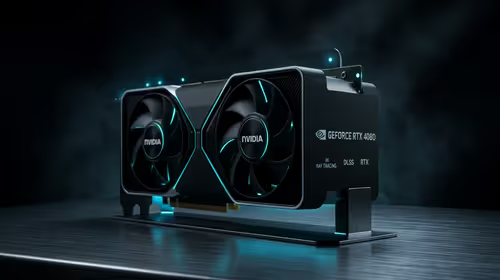
The GPU is heavy and can work loose on a bumpy route. With the PC off, open the side panel and gently confirm the card sits flush in its slot and the cooler is firmly attached. A part that has shifted is easy to reseat, but only if you check before the first boot.
Verify Everything Is Detected
On first boot, open the system information and confirm the processor, full RAM amount, every storage drive and the graphics card all appear. A missing drive or a GPU not detected usually points to a connector loosened in transit rather than a dead part.
Stress Test On Day One
Run a short GPU and CPU stress test and watch temperatures stay sensible, ideally under 85 degrees on the CPU. This confirms the cooling survived transit and the parts are stable, so you catch any rare issue while a return is still simple rather than weeks later.
FAQ
Why should I open a prebuilt PC on arrival?
Heavy parts like the GPU can shift in transit. Opening the side panel to confirm the card and cooler are seated lets you reseat anything loose before it causes a boot problem.
What should I check on first boot?
Confirm the CPU, full RAM, all storage drives and the graphics card are detected in system information. A missing part usually means a connector came loose rather than a true fault.
Is a stress test really necessary?
A short one is worth it. It confirms cooling and parts are stable after transit and surfaces any rare issue early, while returning the machine is still straightforward.
Pro Tip
Keep the PC's foam inserts and box for a couple of weeks; if a transit-loosened part turns out to be faulty, the original packaging makes a return far less of a hassle.