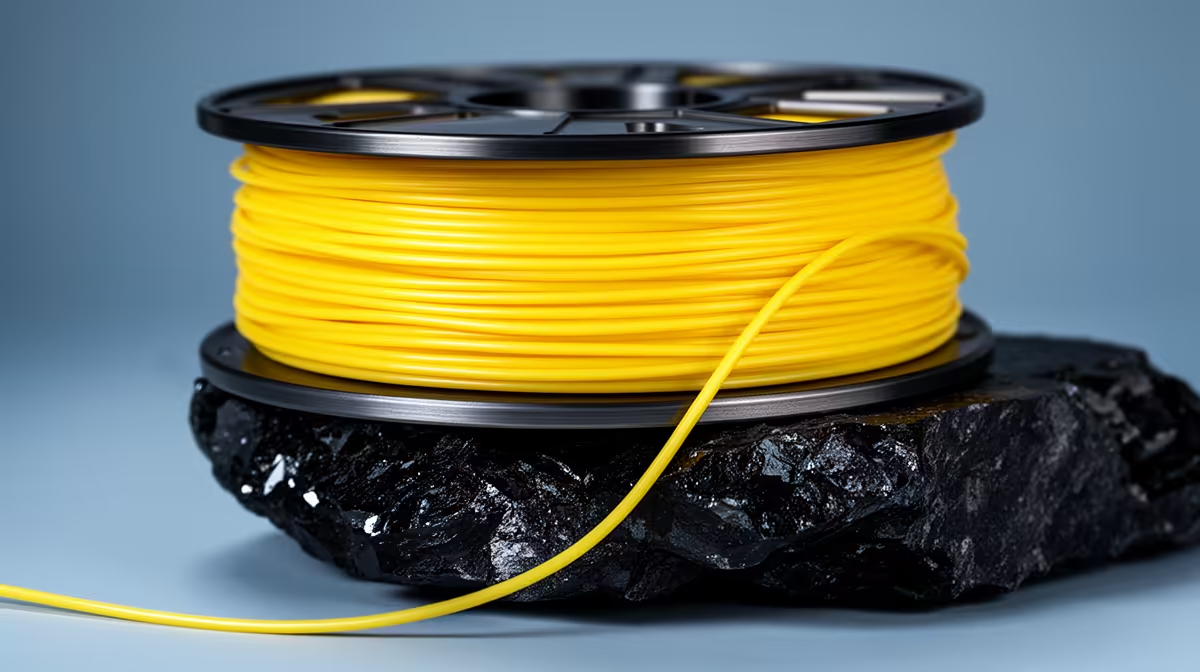
A buyer dealing with PLA vs other FDM filaments needs a practical answer before a product shortlist. Good FDM results still come from dry filament, the right diameter, a sensible temperature range and a first layer that actually holds for PLA vs other FDM filaments.
Quick Answer
For PLA vs other FDM filaments, check 1.75mm material support, a stable 190-230 C profile and clean bed adhesion. PLA prints improve when the spool stays dry and the first small test confirms the profile for PLA vs other FDM filaments.
Where Value Actually Shows
The spool and the slicer profile need to agree for PLA vs other FDM filaments. Confirm 1.75mm diameter, test 190-230 C range and watch bed adhesion before a long print for PLA vs other FDM filaments. A calibration cube or short sample can expose feeding and cooling issues early for PLA vs other FDM filaments.
Mistakes Worth Avoiding
For PLA vs other FDM filaments, the right side depends on the use case. Faster glide, faster curing or higher strength is useful only when it improves the actual project, desk layout or room setup for PLA vs other FDM filaments. Choose by outcome, not by the more impressive label for PLA vs other FDM filaments.
How To Prevent PLA Frustration
Do not blame the printer first when PLA vs other FDM filaments goes wrong. Damp material, poor first-layer grip and rushed temperature changes can create rough surfaces or weak parts for PLA vs other FDM filaments.
Local Buying Notes
For South African makers, PLA vs other FDM filaments should be planned around material availability, storage and small test runs. Track material support and the stable 190-230 C profile in a simple note so the next print is easier to diagnose for PLA vs other FDM filaments.
FAQ
When is PLA the right everyday material?
A better shortlist for PLA versus Other FDM Filaments starts with control, then moves to extras. It can change the result even when the main spec looks correct while judging PLA vs other FDM filaments.
Where does PLA fall short?
Run one short test around PLA vs other FDM filaments. If dry storage feels awkward, choose the simpler or more compatible option during real use of PLA vs other FDM filaments.
When should I choose another filament type?
Check PLA vs Other FDM Filaments against device support before changing the rest of the print setup. Pair it with 190-230 C range, then ignore extras that do not improve the result before buying for PLA vs other FDM filaments.
small test first for PLA vs other FDM filaments. Confirm material support and the stable 190-230 C profile before extras influence the shortlist.