A better wheel and triple screens improve different parts of a sim rig. The wheel changes the information and control in your hands. Triples change what you can see around the car. At a R20,000 upgrade ceiling, the wheel often wins when the current base clips or feels rough. Triples win when control is already good and side vision limits racing.
Quick Answer
Run two tests. Log force clipping, steering detail and control mistakes with the current wheel. Then check PC frame time at the combined triple-screen resolution. Choose the wheel when feedback and input are the limit. Choose triples when the current controls are stable and the PC can drive three panels. Do not split the ceiling into two unfinished compromises.
Use Evetech's sim-racing range to compare the wheel branch. A shared cockpit should leave display and side-mount space for any flight-simulator gear.
What a Better Wheel Buys
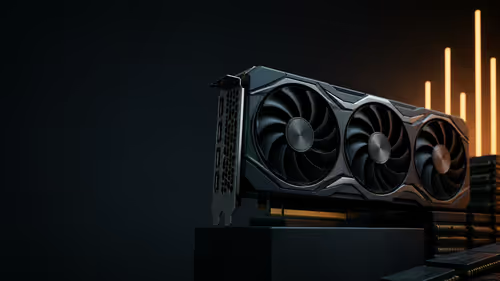
Moving from gear or belt drive to direct drive can reduce mechanical steps and add force headroom. Small corrections, tyre load and kerb peaks can feel clearer.
A stronger base still needs a rim, pedals and rigid mount. Count them all.
Tune force below clipping. Maximum torque on a flexible desk wastes the upgrade.
What Triples Buy
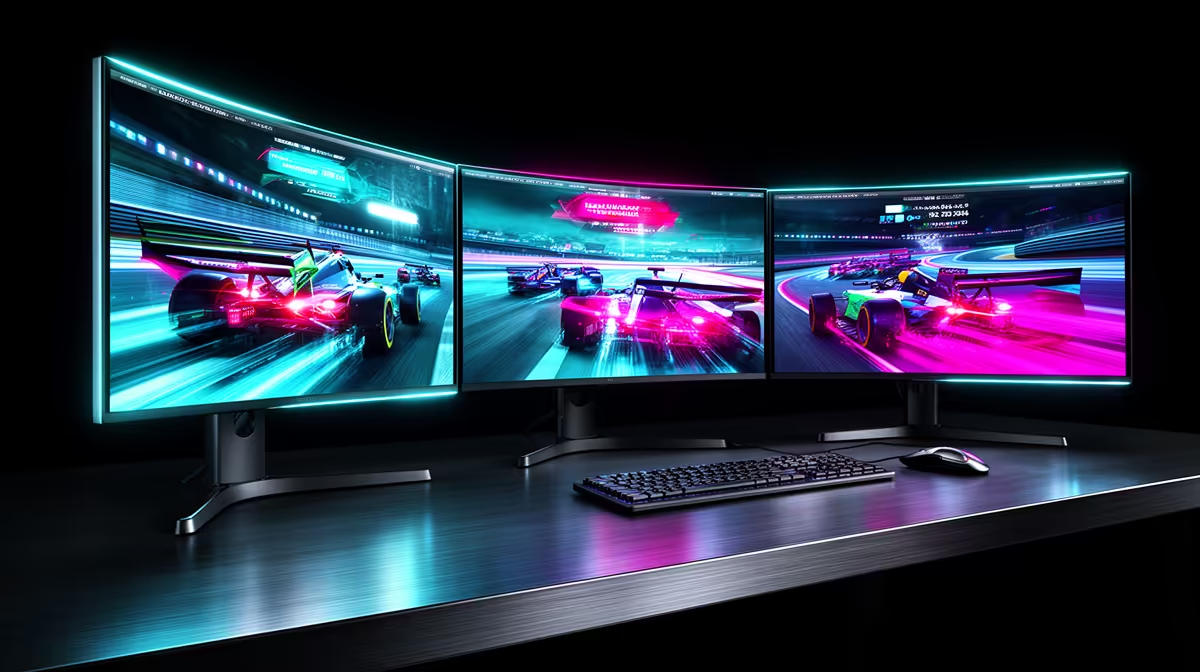
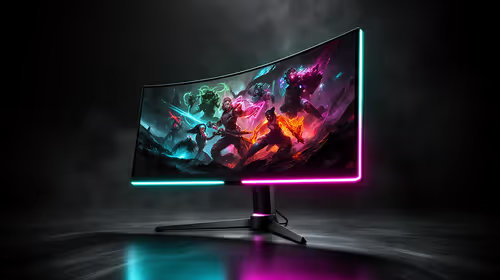
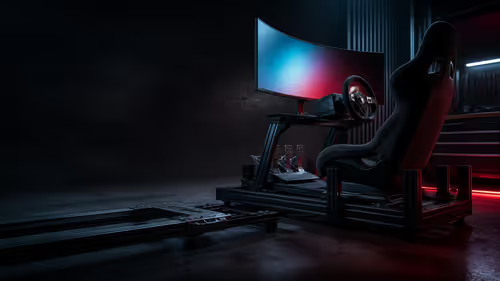
Three correctly angled monitors can show cars beside you and create a wide physical cockpit view. They keep your hands and controls visible.
The setup needs three compatible panels, a strong stand, enough GPU outputs and room. Matching size, resolution and refresh make alignment easier.
Field of view must be calculated from panel width, angle and eye distance.
Test the Wheel Limit
Choose a familiar car and circuit. Run a long corner, kerbs and fast direction changes.
Look for force clipping, a notchy centre, delayed detail or a base that cannot hold the chosen steering load. Reduce artificial effects before blaming hardware.
If the current wheel communicates the car cleanly, the upgrade may change feel more than results.
Test the Triple-Screen PC Load
Combined triple resolution multiplies the pixels. Render a close equivalent if the game allows it, then log GPU use, VRAM and frame time.
Busy grids can expose the CPU too. Lowering resolution will not fix a saturated main thread.
Include the graphics-card upgrade if the current PC misses the target. That can consume the whole R20,000 branch.
Mounting Can Choose for You
Direct drive needs a rated wheel plate and stable seat. Triples need floor width and a display stand.
Measure both paths. A rented room may accept one stronger wheel and reject a two-metre display span.
Do not attach three monitors to a flexing cockpit without checking the mount. Vibration can spoil alignment.
Competitive Racing Needs Both Inputs and Vision
Clear feedback can help you hold grip and repeat steering. Wide view can help you place the car beside an opponent.
Use mirrors, radar and spotter tools while you remain on one screen. They can reduce the urgency of triples.
A wheel upgrade cannot show a car at your shoulder. Choose from the mistakes you make most.
Measure the Visibility Problem
Review replays from close racing. Note contacts caused by a car outside the single screen, missed apexes caused by distorted field of view and moments when the spotter already gave enough warning.
Move the current monitor closer and calculate field of view before pricing three panels. Configure mirrors and radar properly. If the same side-vision errors remain, triples have a clear job.
Run an AI side-by-side drill and count clean laps. That gives the display branch a test as concrete as a force-clipping log.
A Curved Single or Ultrawide Middle Path
A larger curved monitor or ultrawide can add horizontal view with one panel, one cable and less GPU load than many triple arrangements.
It does not match the wrap of well-set triples. It can fit a small room and preserve money for the wheel.
Calculate angular view from the actual size and distance. Curvature alone does not create visibility.
Is VR the Third Option?
VR offers depth and head movement, but it adds headset comfort, motion tolerance and a high stable render target.
Test it before reshaping the budget. A headset you cannot wear for a race is not a shortcut around triples.
You also lose sight of the physical controls, which matters with button boxes and shared rigs.
Avoid the Partial Upgrade Trap
Three mismatched cheap monitors and a weak stand can be harder to live with than one good panel. A direct-drive base without the rim or mount is not usable.
Finish one branch. Keep the other as the next stage.
When both tests are healthy, save the R20,000 rather than spending for movement.
Sequence the Branch You Do Not Buy
If the wheel wins now, choose a cockpit or stand that leaves room for a freestanding triple mount. Check GPU outputs and power headroom for the later panels.
If triples win, mount them independently enough that a stronger base will not shake the screens. Keep wheel-plate support in the frame plan.
Write the second stage without buying it. A clean future route prevents this decision from becoming another full rebuild.
Save the current wheel profile and display measurements before the first branch changes. When the second stage arrives, repeat the original race rather than relying on memory.
This baseline also catches a hidden regression. A stronger wheel can add USB trouble, while triples can introduce frame pacing or display mismatch. The upgrade should improve its target without breaking the other half of the rig.
Price the Two Branches
Wheel branch: base, rim, pedals if required, clamp or stand and delivery. Triple branch: panels, stand, cables and any PC upgrade.
Every rand figure must name the product and use the approved July 2026 snapshot. The ceiling does not prove the branch fits.
Compare complete checkout totals on the same date.
FAQ
Why does the wheel often win?
It changes the control and feedback on every corner when the current base is the limit. That case must still be measured.
When do triples win?
When controls are solid, side awareness matters and the PC and room can support the full setup.
Can I upgrade both partly?
You can, but incomplete mounting or mismatched screens often waste the spend. One finished branch is cleaner.
Test feedback clipping and triple-resolution frame time, then put the full R20,000 ceiling behind the one branch that solves the larger race problem.