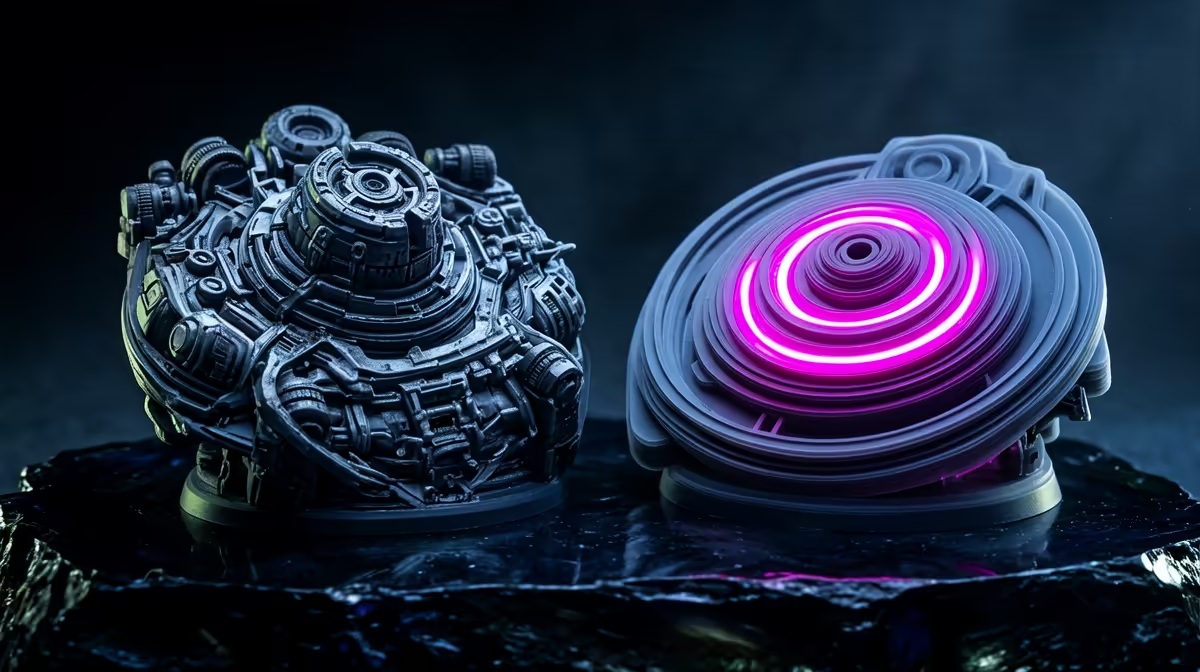
Hold a freshly cured resin miniature next to one printed on a budget FDM machine and the gap is obvious before you even reach for a brush. Crisp chainmail, sharp facial features, clean cloak folds on one; faint horizontal banding and softened edges on the other. For South African tabletop painters deciding where their money should go, the resin versus FDM question is really a question about what you print most: characters and heroes, or bases and terrain.
Quick Answer
For miniatures where detail is the whole point, resin wins. The R3,999 Creality Halot R6 resolves roughly 0.05 mm XY features, while a quality FDM machine like the R5,499 Bambu A1 Mini leaves faintly visible layer lines at around 0.1 mm. Choose resin for heroes and squads, FDM for terrain, scenery and bulk bases.
How The Two Technologies Actually Differ
Resin printing, properly called MSLA, flashes an entire layer at once using a UV LCD screen. Because the whole layer cures in one exposure, the limiting factor is the screen's pixel size rather than the width of a nozzle. That is why fine detail comes out so cleanly: a sub-pixel feature like a buckle or a pupil still gets resolved.
FDM, by contrast, drags a heated nozzle along a path and lays down molten plastic line by line. The smallest detail it can reproduce is tied to nozzle width (commonly 0.4 mm) and layer height. Curves and angled surfaces show stepping, and overhangs on a miniature's outstretched arm need support that leaves marks.
Neither is "better" in the abstract. They are different tools, and the right pick depends on the model in front of you.
Where Resin Pulls Ahead
Detail That Survives Painting
A 28 mm to 32 mm heroic-scale figure carries detail measured in fractions of a millimetre. Resin holds that. Skin texture, weave on cloth, individual rivets, the edge of a blade: all of it reads under a primer coat and takes a wash cleanly. On a character you will spend hours painting, that surface quality is the difference between a centrepiece and a frustration.
The Trade-Offs You Sign Up For
Resin is not free of friction. It is messy, the uncured liquid is an irritant, and you need nitrile gloves, isopropyl alcohol for washing, and a curing step. Ventilation matters, so a garage, balcony or spare room beats a bedroom. Build volume is also smaller, so large terrain pieces either do not fit or need slicing into chunks. If you want to compare current machines and their build areas side by side, the dedicated 3D printer listings at Evetech let you check screen resolution and plate size before you commit.
Where FDM Still Makes Sense
FDM shrugs off the things resin struggles with. Build volumes are bigger, so a full piece of scatter terrain, a movement tray or a chunky base prints in one go. The material is cheaper per gram, tougher once printed, and far more forgiving to handle. There is no alcohol bath, no curing station, no gloves.
For a tabletop gamer who prints mostly scenery, walls, ruins, crates and bases, FDM is the sensible engine room. The layer lines that ruin a face barely register on a weathered stone wall, and a coat of texture paint hides them entirely. Many SA hobbyists end up running both: FDM for the table, resin for the squad.
Running Costs To Plan For
Resin bottles, replacement FEP film and the occasional LCD screen are recurring costs on an MSLA machine. FDM filament is cheaper and stores more easily in our climate, though humidity in coastal cities like Durban and Cape Town means you will want sealed storage. Either way, budget for consumables, not just the printer. Tools like cutters, files and a curing setup add up, and you can stock a starter kit from the hobby and accessories best sellers when you place your printer order.
Durability On A Gaming Table
Detail is only half the story once minis leave the shelf and start getting handled. Resin is harder and more rigid, which is exactly why it holds fine edges, but that same rigidity makes it brittle. A standard-resin spearman dropped onto a tiled floor can snap at the ankles or shatter a thin weapon, and that is a real risk for figures that travel to a club night or get knocked across a busy table. Tougher ABS-style resins exist and flex a little before breaking, so if your army sees heavy play they are worth the small price premium over standard grey.
FDM swings the other way. PLA and especially PETG flex and absorb a knock rather than cracking, so a terrain wall or a chunky base survives years of bumps. The compromise is that the layer lines you accept on terrain look wrong on a hero's face. For most SA painters the honest split is resin for display-grade characters that live in a foam tray and FDM for the rough-and-tumble pieces that get grabbed every game.
Painting And Priming Each Material
The two also behave differently under a brush. Resin takes a primer beautifully because the surface is glass-smooth, but it must be washed and fully cured first or paint will struggle to key and the surface stays tacky. FDM prints prime just as well, though the layer lines telegraph through thin coats, so a filler primer or a light sanding pass helps on visible faces. Either way, a quick airbrush or rattle-can primer in a thin even coat is the step that makes the rest of the paint job easy.
Which Should A South African Painter Buy?
If your hobby is painting characters and you want every model to look its best, start with resin. The R3,999 Halot R6 gives you genuine detail at an accessible price, and one bottle of resin prints a surprising number of figures.
If you build armies of terrain, print functional bits, or share the machine with family who want practical prints, FDM earns its place. And if budget allows, owning one of each covers every job without compromise.
Frequently Asked Questions
Is resin printing safe to do indoors in South Africa?
Uncured resin gives off fumes and irritates skin, so work in a ventilated space with gloves and avoid living areas. A garage, balcony or dedicated hobby room with airflow is ideal, and washing and curing should happen in the same space.
Can FDM print a usable 28 mm character at all?
Yes, but expect visible layer lines on smooth and curved surfaces, especially faces. A 0.2 mm or smaller layer height and careful supports improve things, though it will not match resin's crispness on fine features.
How much resin does one bottle print?
It depends on model size and hollowing, but a single 500 ml bottle commonly yields dozens of standard infantry-scale figures. Hollowing models and using support-saving settings stretches that further.
Do I need to cure resin prints separately?
Yes. Prints come off the plate still soft and need a UV cure to reach full hardness. A small UV curing station or consistent direct sunlight both work, though a dedicated unit is more reliable.
Which is cheaper to run over a year?
FDM has lower consumable costs per print: filament is inexpensive and there is no FEP film, alcohol or LCD wear. Resin's per-print quality is higher, but you pay for it in materials and replacement parts.
Ready to start printing your own miniatures and terrain? Browse the current lineup of resin and FDM machines in the 3D printers section at Evetech and pair it with the right consumables to get clean prints from day one.