Is Your Home Network Safe? Why Every South African Gamer Needs a Router Security Test 🛡️
Lag got you losing rounds in CS2? Or maybe you're just paranoid about your uncapped data mysteriously vanishing? In Mzansi's increasingly connected digital landscape, your router is the frontline defence for your home network. It’s where your fibre meets your gaming rig, your smart home, and all your personal data. A quick router security test isn't just a tech chore; it’s essential for peace of mind, optimal performance, and protecting yourself from cyber threats. Let's dive in and fortify your digital fortress!
Understanding Your Router's Defences: Why Security Matters
Think of your router as the bouncer for your entire digital life. It decides who gets in and out. If it’s weak, anyone could waltz past, potentially snooping on your data, hogging your bandwidth, or even planting malware. For South African gamers, this means more than just a slower ping; it's about safeguarding financial details, personal information, and ensuring your online experience remains smooth and private. This is where a proper router security test becomes non-negotiable.
The Hidden Threats to Your Home Network
Many of us plug in our routers and forget about them, relying on default settings. This is a massive security risk! Default usernames and passwords are like leaving your front door unlocked. Outdated firmware can contain known vulnerabilities, and an unencrypted Wi-Fi signal is an open invitation for snoopers. Performing a regular router security test helps you identify and patch these common weaknesses.
Your First Router Security Test: Checking the Basics
Before we get fancy, let's cover the foundational steps for securing your router and performing an initial router security test.
1. Change Those Default Credentials Immediately!
This is step one, non-negotiable. Log into your router (usually by typing 192.168.1.1 or 192.168.0.1 into your browser). Find the settings for "Administrator" or "Login Password." Change both the username (if possible) and password to something strong, unique, and complex. Don't use "admin" and "password" – ever!
2. Update Your Router's Firmware
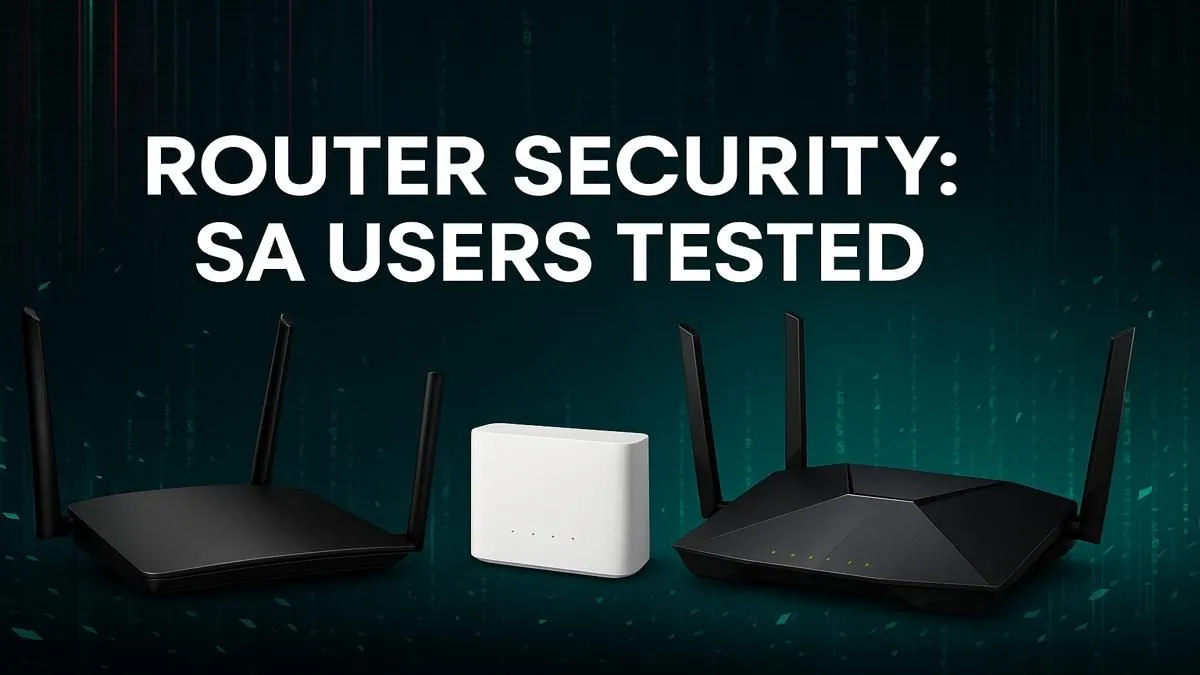
Firmware is your router's operating system. Manufacturers regularly release updates to patch security flaws and improve performance. Check your router's administration panel for a "Firmware Update" section. If you’re due for an upgrade or looking for more robust security, consider investing in a powerful new router from Evetech that boasts the latest security protocols and easy update mechanisms. It’s a crucial part of any comprehensive router security test.
3. Strengthen Your Wi-Fi Password and Encryption
Your Wi-Fi password (the one you give to friends) should also be strong. More importantly, ensure your router is using WPA2 or, even better, WPA3 encryption. You’ll find this under your Wi-Fi settings. WPA3 offers superior protection against brute-force attacks. While you're at it, think about setting up a separate guest network for visitors. This isolates them from your main network, adding another layer of security. If your current setup struggles with coverage and security, you might want to look at wireless range extenders to cover those dead zones securely.
Mastering the Admin Panel
Most routers have their IP address and default login details printed on a sticker underneath. Can't find it? A quick Google search for "[your router model] default login" usually does the trick. Once inside, explore! Familiarise yourself with settings like Wi-Fi security, firmware updates, and connected devices. Knowledge is power, especially when it comes to your home network security.
Advanced Steps for an Ironclad Home Network
Once the basics are locked down, let's explore deeper aspects of your router security test.
Disable Unnecessary Services 🚫
Your router might come with services enabled that you don't use, like WPS (Wi-Fi Protected Setup). WPS is convenient but has known security vulnerabilities. It’s generally safer to disable it and manually add new devices. Similarly, consider disabling remote access to your router if you don't use it; this prevents external access to your admin panel.
Firewall Rules and Port Forwarding
Your router's built-in firewall is vital. Ensure it's active. For gamers, port forwarding is sometimes necessary for specific games or services. While useful, it creates an open "door" in your firewall. Only forward ports you absolutely need, and consider disabling them when not actively gaming. Always research the exact ports required to avoid unnecessary exposure.
Monitor Connected Devices & Logs
Regularly check your router's list of connected devices. See a device you don't recognise? Kick it off! Your router also keeps logs. These can show failed login attempts or unusual activity. Learning to interpret these logs is a pro-level router security test technique that can alert you to potential breaches early. For the ultimate peace of mind and seamless connectivity, ensure all your devices, including your PC, use a high-quality wireless adapter for a stable, secure connection.
Keeping Your Router Secure: An Ongoing Commitment ✨
A router security test isn't a one-and-done deal. The digital world evolves, and so do the threats. Make it a habit to check for firmware updates monthly. Periodically review your Wi-Fi password and administrative credentials. If you suspect any compromise, change all passwords immediately. Your router is the heart of your digital home; keeping it secure means keeping your gaming, streaming, and online life safe. Evetech offers a full suite of wireless networking components to help you build and maintain a fast, secure, and reliable network.
Upgrade Your Armour, Secure Your Game!
Don't let a vulnerable router be your Achilles' heel. Perform your router security test, then gear up with the latest and most secure networking hardware. Shop now at Evetech for performance that leaves lag in the dust.