Quick Answer
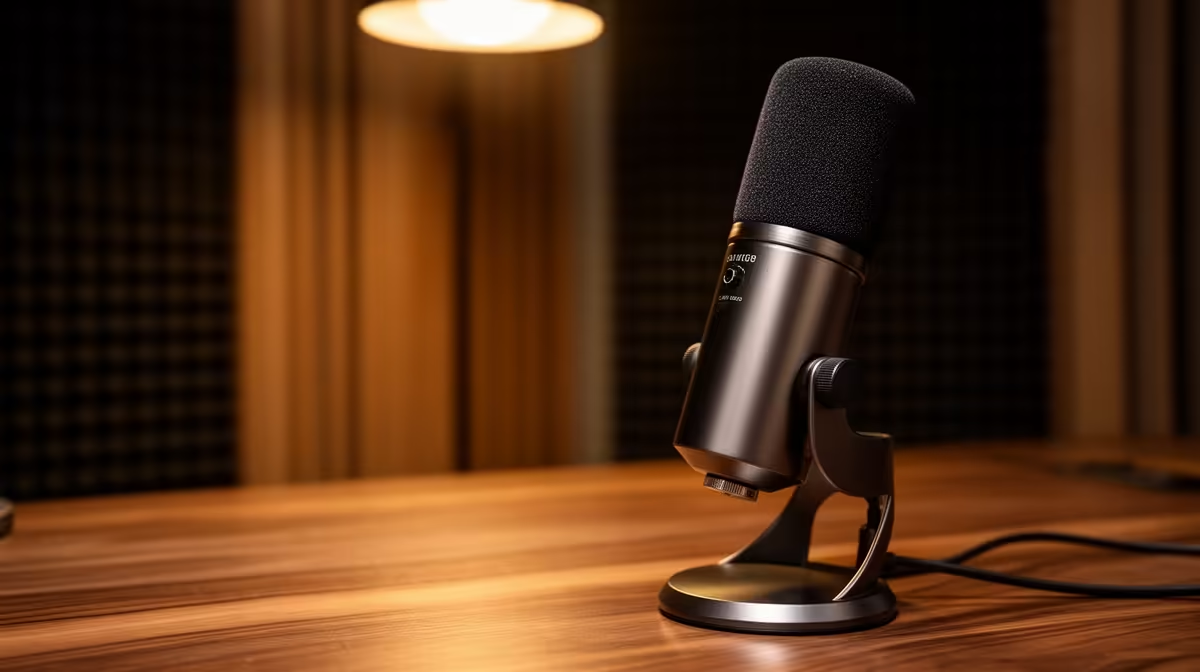
A studio microphone should be chosen by connection type, room noise, and voice use before brand styling. USB models such as Rode NT-USB Mini, HyperX QuadCast, and Elgato Wave:3 are practical around broad local bands of R1,200-R3,500, while Shure MV7-style USB/XLR options can move higher. For streaming, podcasts, and voice-over, a cardioid mic plus a boom arm is usually more useful than a bare condenser on a noisy desk. For Pretoria East, check layout and delivery before ordering.
What To Prioritise
USB microphones are simpler because they plug straight into a laptop or gaming PC and need no audio interface. XLR gives more upgrade room and cleaner studio routing, but it adds cost, cables, and setup steps. Use the guide as a shortlist filter before comparing models locally.
Local Fit For Pretoria East
Pretoria East homes often mix fibre, home offices, estates, and larger rooms, so placement and delivery timing should be planned before checkout. SA creators recording in bedrooms, tiled rooms, or home offices need mic choice and room treatment to work together. Use R1,200-R6,000 as a planning anchor, then confirm current Evetech stock before deciding. Reference models include Rode NT-USB Mini, HyperX QuadCast, Elgato Wave:3, and Shure MV7.
Specs That Change The Result
A mic arm, pop filter, and correct placement can improve recordings more than moving one model tier up. Keep the capsule close to the mouth, slightly off-axis, and away from hard walls when possible. The spec anchors to check are USB, XLR, cardioid pickup, and 24-bit recording; those numbers affect daily feel, not only the brochure. For delivery or pickup, confirm the box includes the cable, stand, mount thread, and any adapter needed for a boom arm.
FAQ
What is the safest budget range for this category?
Use R1,200-R6,000 as a cautious planning range, then confirm live stock and final price at checkout.
Which spec should I check first?
Start with USB, XLR, cardioid pickup, and 24-bit recording because those numbers change the day-to-day result.
What pickup pattern should I choose?
Cardioid is the safest choice for one speaker. It focuses on the voice in front of the mic and rejects more room noise from behind.
Practical Check
Record a 30-second voice test at normal speaking volume, then lower gain until keyboard taps are less obvious without making your voice thin.